South Dakota Bill of Sale
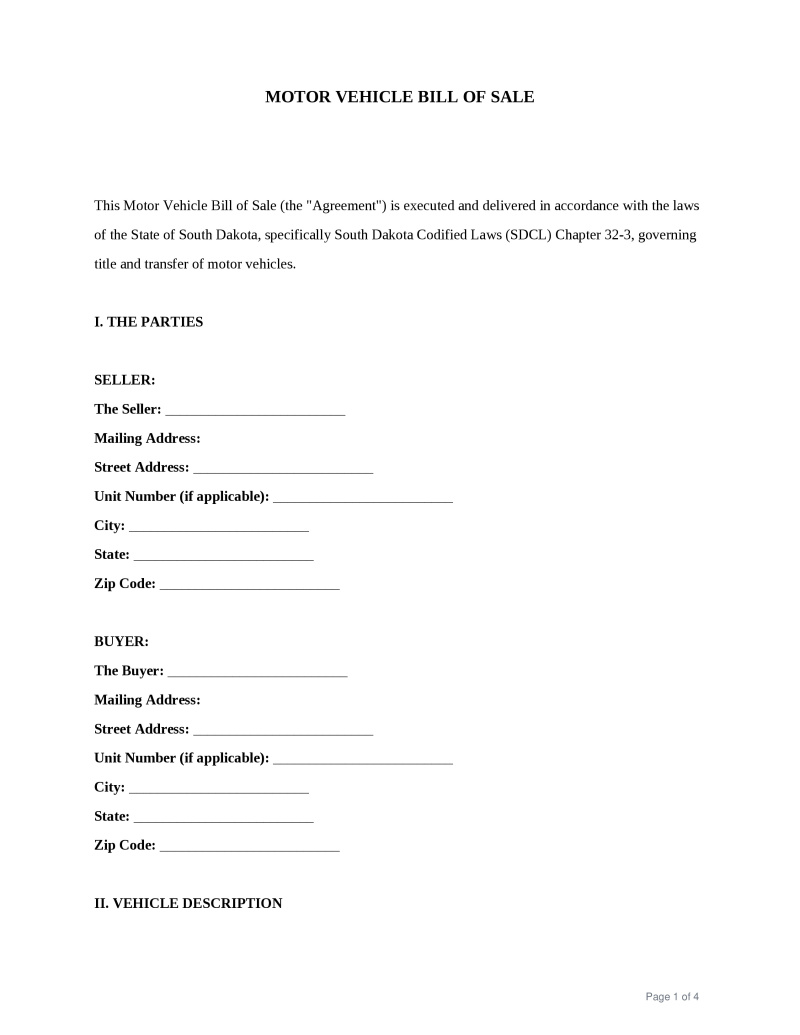
A South Dakota bill of sale is a legal document that records the transfer of ownership of personal property, such as a vehicle, vessel, or other goods, from a seller to a buyer within the state of South Dakota.
Asset Type
Choose the category that best describes the item. This helps include the right identifying details, such as VIN, hull number, serial number, or livestock identifiers.
Use this when the item does not fit one of the listed categories.
Table of Contents
What is a South Dakota Bill of Sale?
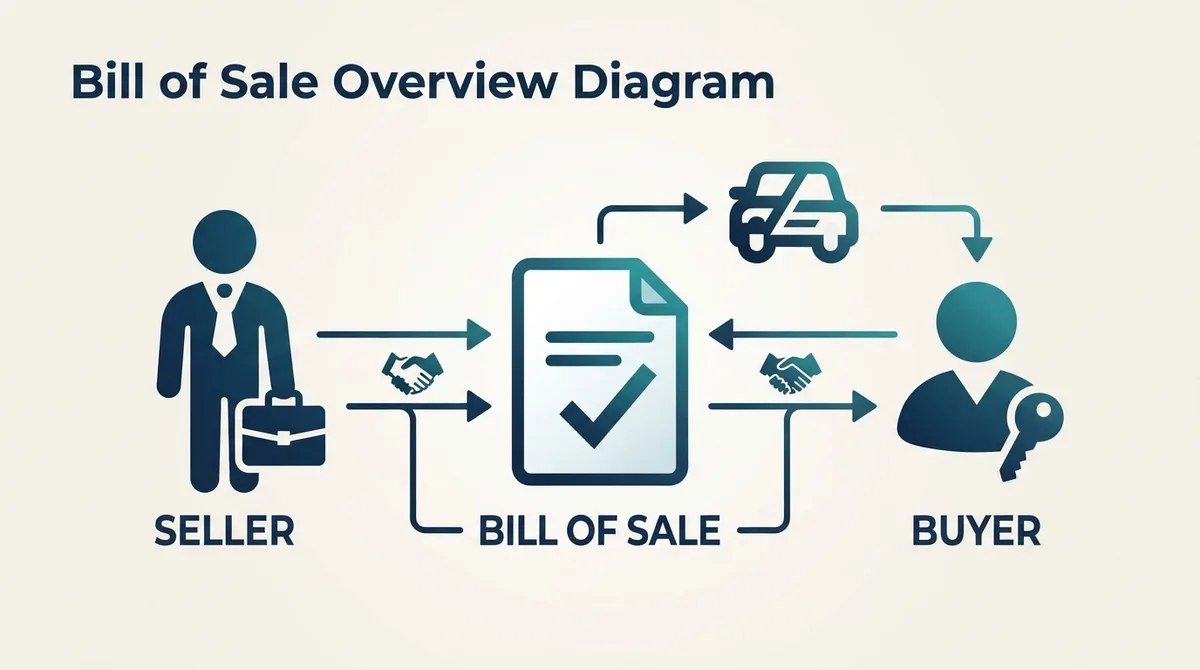
A South Dakota Bill of Sale is a legal document that records the transfer of ownership of personal property from a seller to a buyer. This document serves as a receipt of the transaction, detailing the terms of the sale, the purchase price, and the condition of the item being sold. It is commonly used for transactions involving motor vehicles, boats, and other high-value personal assets. By establishing a clear paper trail, this document protects both parties from future disputes regarding ownership or liability.
Purpose and Legal Significance
The primary function of this document is to provide written evidence of a transaction. For the buyer, it acts as proof of ownership, which is necessary when registering certain types of property with state agencies. For the seller, the document establishes the exact date and time when responsibility for the item was transferred to the new owner. This transfer of liability is critical in transactions involving motor vehicles, where the previous owner could otherwise be held responsible for traffic violations, accidents, or abandoned vehicle fees incurred by the buyer.
State Laws and Requirements
South Dakota has specific legal requirements that govern the sale of personal property, particularly motor vehicles. Sellers and buyers must comply with these statutes to ensure the transaction is legally binding and recognized by the state:
- Seller's Report of Sale Requirement - Mandates that the seller of a vehicle must file a report of sale with the Department of Revenue indicating the purchaser's name and address (SDCL § 32-5-2.10).
- Failure to File Penalty - Establishes that failing to file the required seller's report of sale constitutes a Class 2 misdemeanor (SDCL § 32-5-2.10).
- Motor Vehicle Ownership Transfer - Requires the use of a standardized form to document the transaction and facilitate the title transfer process (South Dakota Department of Revenue Form 1025).
- Odometer Disclosure Statement - Obligates sellers of vehicles under a certain age to disclose the accurate mileage at the time of transfer to prevent odometer fraud.
Types of South Dakota Bills of Sale
Different types of personal property require specific details to satisfy state registration and titling requirements. Utilizing the correct form ensures that all necessary information is captured for the specific asset class:
- Motor Vehicle Bill of Sale - Used for transferring ownership of cars, trucks, motorcycles, and other road vehicles, often utilizing Form 1025 to satisfy Department of Revenue requirements.
- Boat and Watercraft Bill of Sale - Records the transfer of motorized and non-motorized vessels, including hull identification numbers and outboard motor details.
- General Bill of Sale - Documents the sale of miscellaneous personal property such as electronics, appliances, furniture, or tools that do not require state registration.
- Livestock Bill of Sale - Tracks the transaction of horses, cattle, or other agricultural animals, which may require brand inspection details under state agricultural guidelines.
Essential Elements of the Document
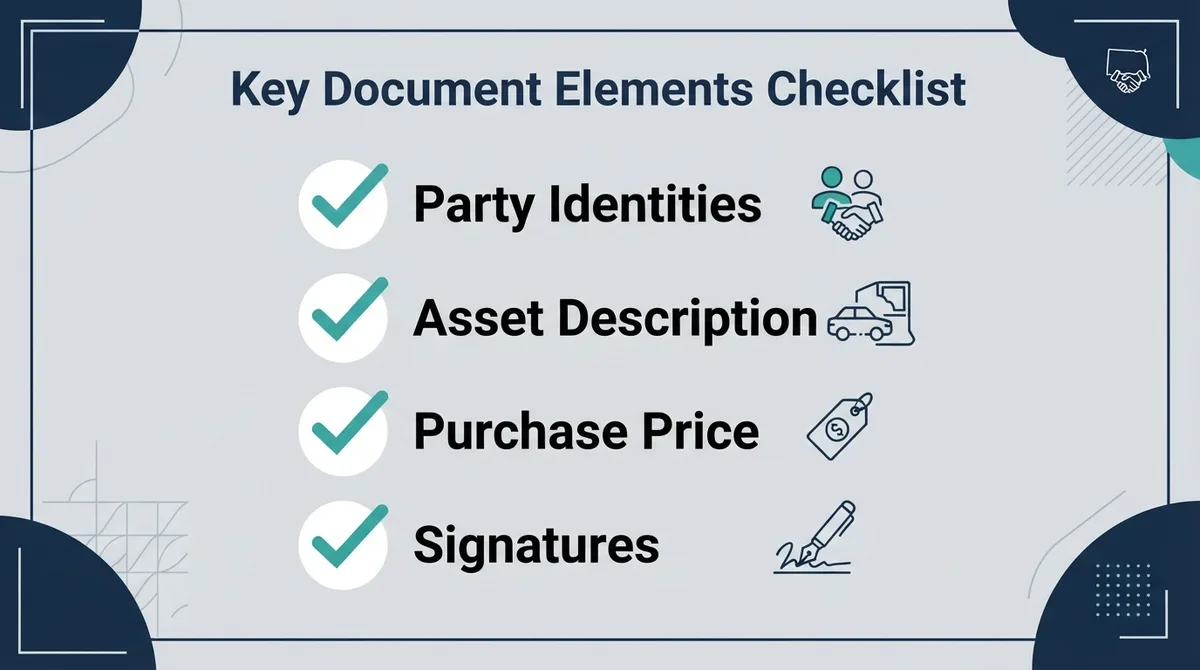
To be considered complete and legally sound, the document must contain specific pieces of information. Omitting these details can lead to delays in registration or disputes between the parties:
- Identity of the Parties - Full legal names, physical addresses, and contact information of both the buyer and the seller.
- Detailed Description of the Asset - Specific identifying characteristics such as the make, model, year, color, and unique identification numbers like a Vehicle Identification Number or serial number.
- Financial Terms - The agreed-upon purchase price, payment method, and details of any trade-in items included in the transaction.
- Date of Transaction - The exact day, month, and year when the sale was finalized and physical possession of the property changed hands.
- Signatures - The handwritten or legally recognized electronic signatures of both parties, confirming agreement to the terms of the sale.
Step-by-Step Guide to Completing a Vehicle Sale
Completing a vehicle transaction in South Dakota involves several distinct actions to ensure compliance with state law and successful title transfer:
- Negotiate Terms and Inspect the Property - The buyer and seller agree on a purchase price and inspect the physical condition of the item.
- Gather Necessary Documentation - The seller retrieves the original certificate of title and prepares the appropriate bill of sale form.
- Complete the Bill of Sale Form - Both parties fill out all required fields, including the descriptive details of the asset and the financial terms.
- Sign the Document - The buyer and seller sign and date the document to execute the agreement.
- File the Seller's Report of Sale - The seller submits the report of sale to the South Dakota Department of Revenue within the legally mandated timeframe to transfer liability (SDCL § 32-5-2.10).
- Submit Title and Register the Vehicle - The buyer takes the signed title and the bill of sale to the local county treasurer's office to pay taxes, transfer the title, and register the property.
Frequently Asked Questions
Sources
- Codified Law 32-5-2.10: Seller's Report of Sale - Statute outlining the requirement for sellers to report vehicle sales to the Department of Revenue.
Bill of Sale in other states
Not the form you're looking for?
Try our legal document generator to create a custom document
Disclaimer: The templates available on this website are provided for general informational purposes only and do not constitute legal advice. They are not intended to be, and should not be interpreted as, compliant with any specific legal, regulatory, or privacy requirements. These templates are not a replacement for professional legal guidance and should not be relied upon for any particular matter or circumstance. Users are strongly encouraged to seek advice from a qualified attorney licensed in their jurisdiction before using, modifying, or relying on any template.
All templates are provided on an "as is," "with all faults," and "as available" basis. The provider disclaims any and all warranties of any kind, whether express, implied, statutory, or otherwise, including without limitation warranties of merchantability, fitness for a particular purpose, title, or non-infringement.
LegalTemplates.com makes no guarantees or representations regarding the accuracy, completeness, expected outcomes, or reliability of the materials contained in these templates or any materials referenced or linked from them.