Letter of Intent to Sue
A Letter of Intent to Sue is a formal communication notifying a party of an impending legal action, often seeking to resolve a dispute pre-litigation.
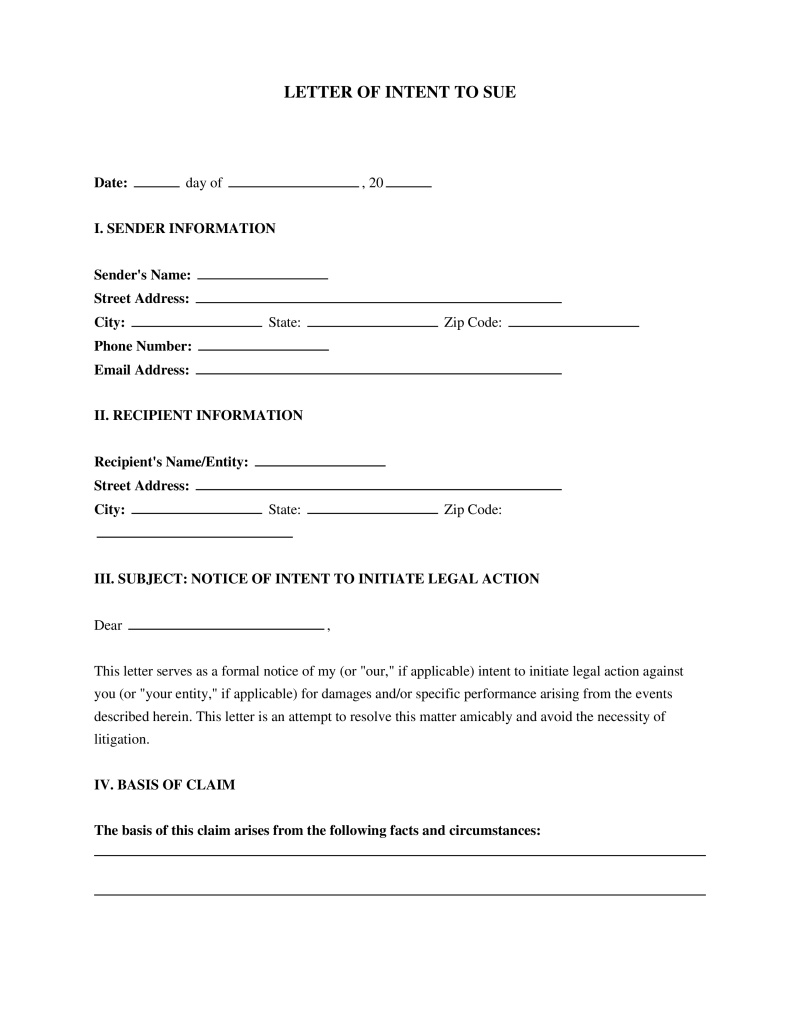
Sender Type
Choose how you are sending this letter: as an individual, on behalf of a business entity, or as an attorney/legal representative. This information helps clarify who is responsible for the letter's content. Selecting the correct option is important, as it may affect legal rights and obligations.
Table of Contents
What is a Letter of Intent to Sue?
A Letter of Intent to Sue is a formal correspondence sent by an aggrieved party to notify a recipient of an impending legal action. This document outlines the legal grievances, demands a specific remedy, and provides a final opportunity to resolve the dispute before a lawsuit is filed in court. It is commonly utilized by individuals, businesses, and legal representatives to initiate pre-litigation negotiations and establish a clear timeline for compliance.
Purpose and Legal Significance
Sending a Letter of Intent to Sue serves several strategic and practical purposes in civil disputes. It formally documents the dispute, showing court systems that the plaintiff made a good-faith effort to resolve the matter outside of court. In certain jurisdictions or specific case types, presenting a formal notice is a statutory prerequisite before a lawsuit can be legally filed. This letter can prompt insurance carriers or corporate legal departments to engage in settlement discussions to avoid the high costs of litigation.
Types of Disputes Utilizing the Letter
Various civil matters rely on this pre-litigation notice to initiate formal demands:
- Breach of Contract - Disputes involving a failure to perform obligations specified in a legally binding agreement.
- Personal Injury Claims - Demands for compensation arising from physical injuries or property damage caused by negligence.
- Debt Collection - Final notices sent to debtors demanding payment of outstanding balances before legal recovery actions commence.
- Property Disputes - Issues concerning landlord-tenant disagreements, boundary lines, or damage to real estate.
- Tort Claims Against Government Entities - Mandatory administrative notices required before suing public agencies or employees.
Essential Components of the Notice
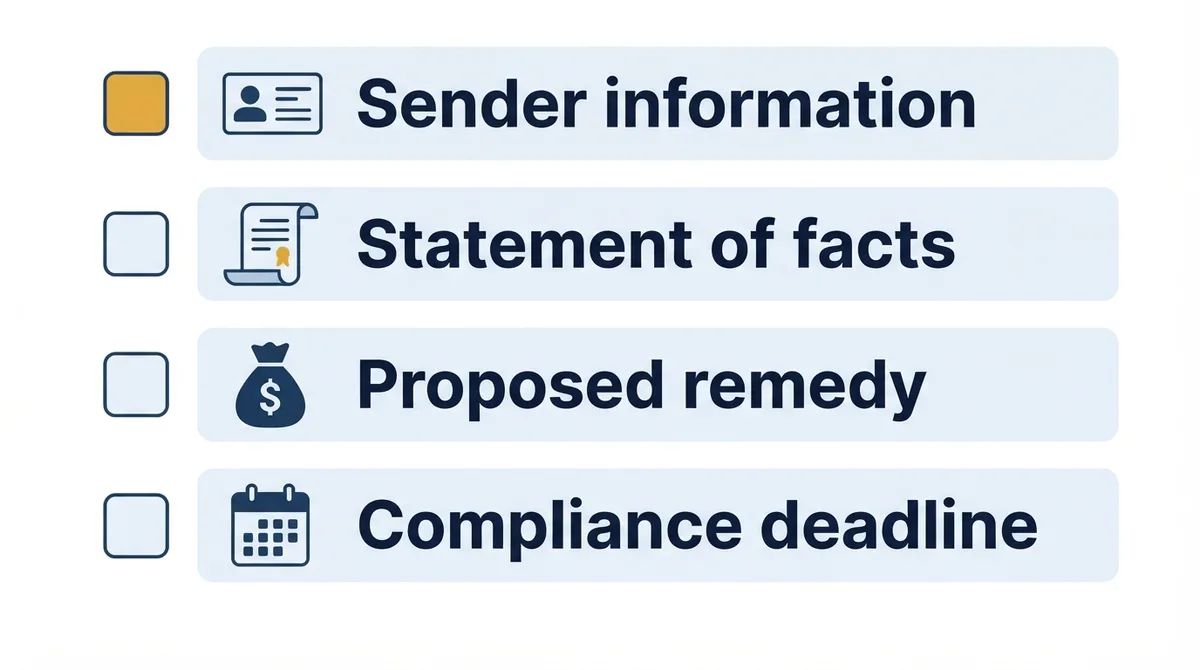
To ensure legal efficacy and clarity, specific details must be included in the document:
- Sender and Recipient Information - Full legal names, business titles, and physical addresses of both parties.
- Statement of Facts - A chronological explanation of the events that led to the dispute, including relevant dates and locations.
- Legal Basis - The specific laws, regulations, or contractual provisions that were violated by the recipient.
- Proposed Remedy - Clear terms for settlement, such as a specific monetary amount or a required action to cure a breach.
- Compliance Deadline - A strict timeframe, typically 14 to 30 days, within which the recipient must respond or comply to prevent legal action.
Statutory Requirements and Federal Context
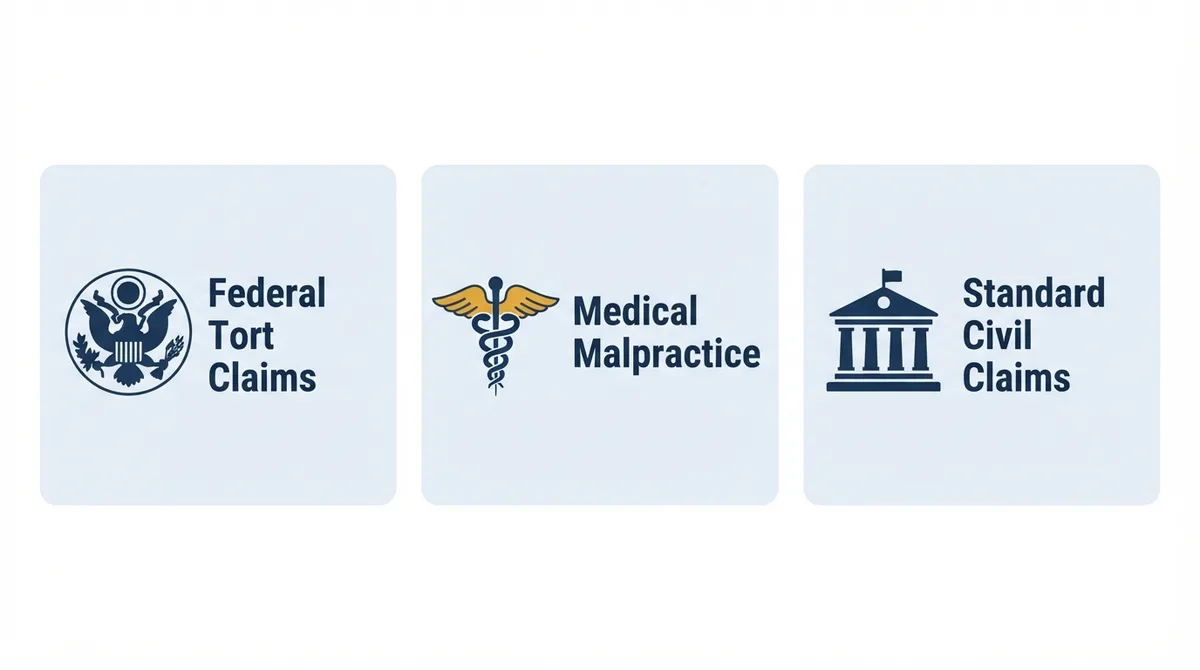
Pre-litigation notice requirements vary depending on the nature of the claim and the jurisdiction:
- Federal Tort Claims Act - Requires claimants to present an administrative claim using Standard Form 95 before filing a lawsuit against the United States government (28 U.S.C. § 2675).
- Civil Pro Se Litigant Guidelines - Self-represented individuals must adhere to specific court rules and pre-filing notification procedures when initiating civil actions in federal court (28 U.S.C. § 1915).
- Medical Malpractice Notice Statutes - Many state laws mandate a formal notice period, often 60 to 90 days, before a plaintiff can file a healthcare liability lawsuit.
How to Fill Out a Letter of Intent to Sue
A completed Letter of Intent to Sue must clearly establish the legal grounds of the dispute, the specific demands for resolution, and the exact deadline for compliance to prevent formal court action. Before beginning, gather all supporting contracts, invoices, communication logs, and the correct legal names and addresses of all involved parties.
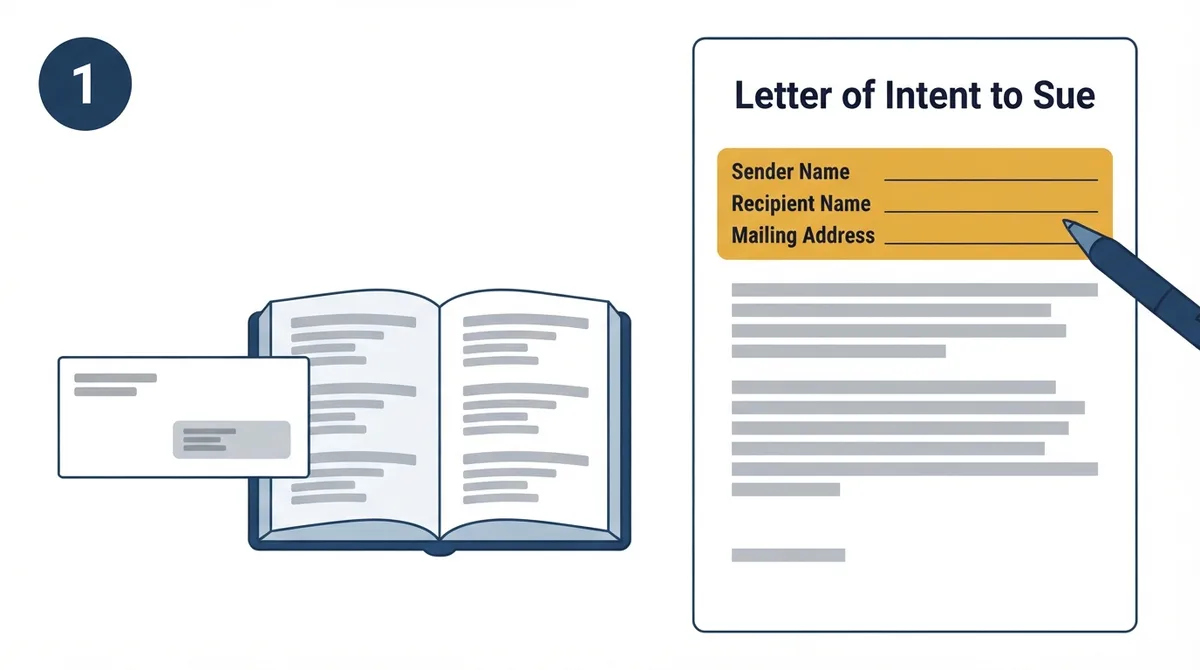
- Identify the parties - In the header and introductory paragraph, enter the sender's and recipient's identification details. Write out the full legal names as they appear on government-issued identification or corporate registration documents, including complete physical addresses. Using informal nicknames or trade names instead of registered legal entities leads to delivery issues and invalidates the legal notice.
- Sender full legal name
- Recipient registered business name
- Physical mailing addresses
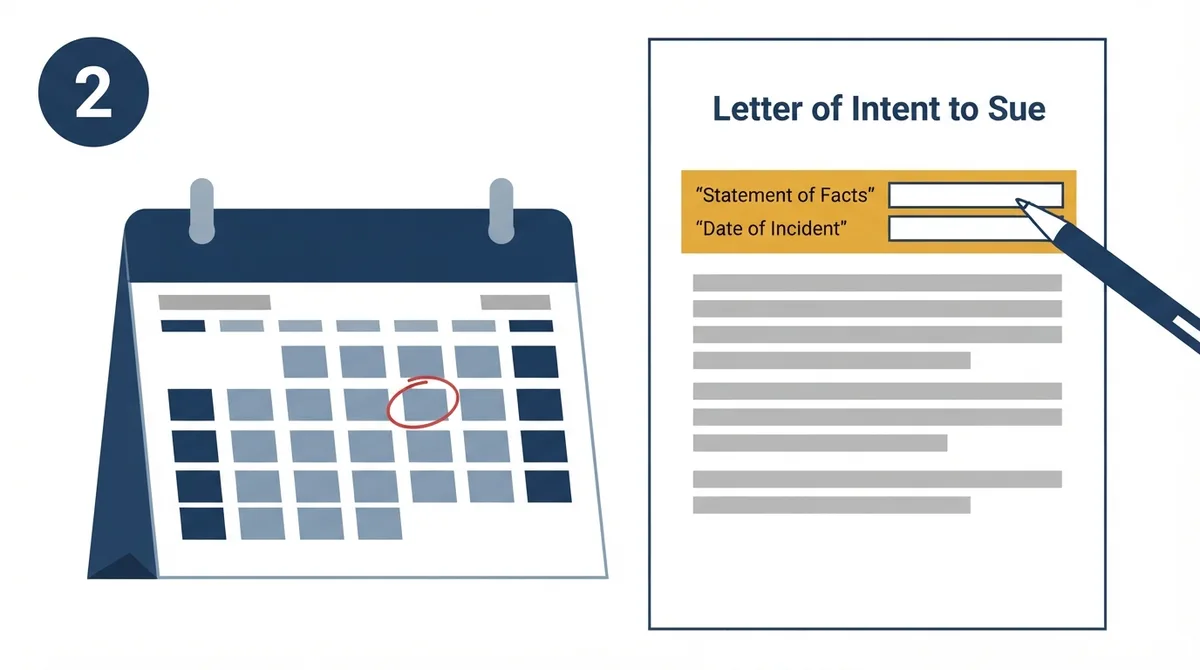
- Describe the dispute background - In the statement of facts section, write a chronological summary of the events that caused the dispute. Include exact dates, specific locations, and the nature of the interactions or agreements between the parties in a clear, objective tone. Including emotional language or subjective opinions weakens the credibility of the document in court.
- Dates of key events
- Location of occurrence
- Summary of the breach or injury
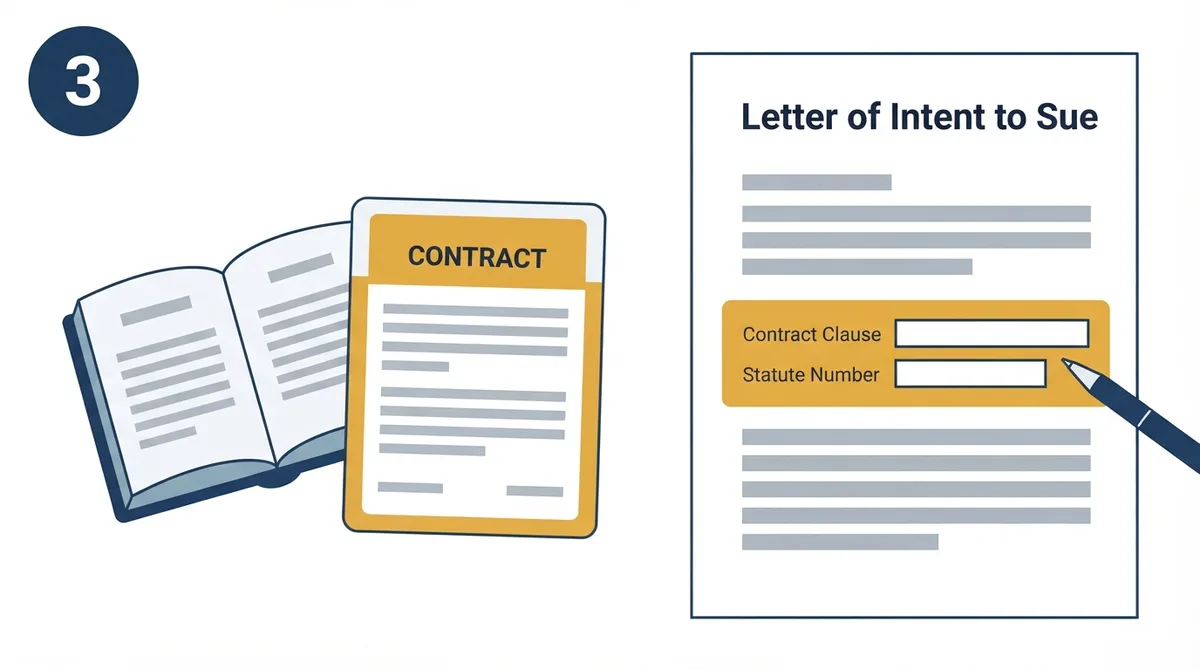
- Specify the legal violations - In the legal basis section, list the specific contractual clauses or statutory laws that the recipient violated. Reference precise section numbers of the breached contract or specific state or federal statutory codes that apply to the misconduct. Failing to cite specific legal bases or citing incorrect statutes makes the threat of litigation appear amateurish and non-threatening.
- Contract section numbers
- Applicable statutory citations
- Description of the violation
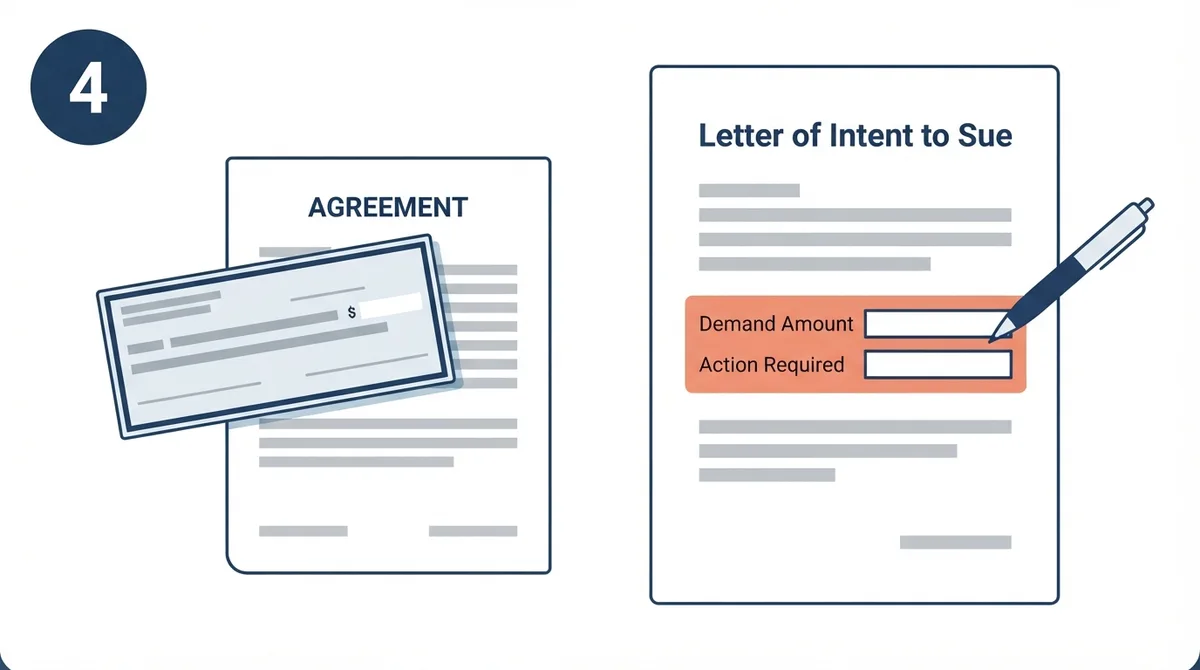
- State the settlement demand - In the remedy section, define the exact actions or financial compensation required to resolve the matter. State monetary demands in both written words and numerical figures, and clearly outline any non-monetary actions required, such as returning property. Demanding vague or unreasonable remedies makes a settlement impossible and delays resolution.
- Specific monetary amount
- Required corrective actions
- Return of specific property
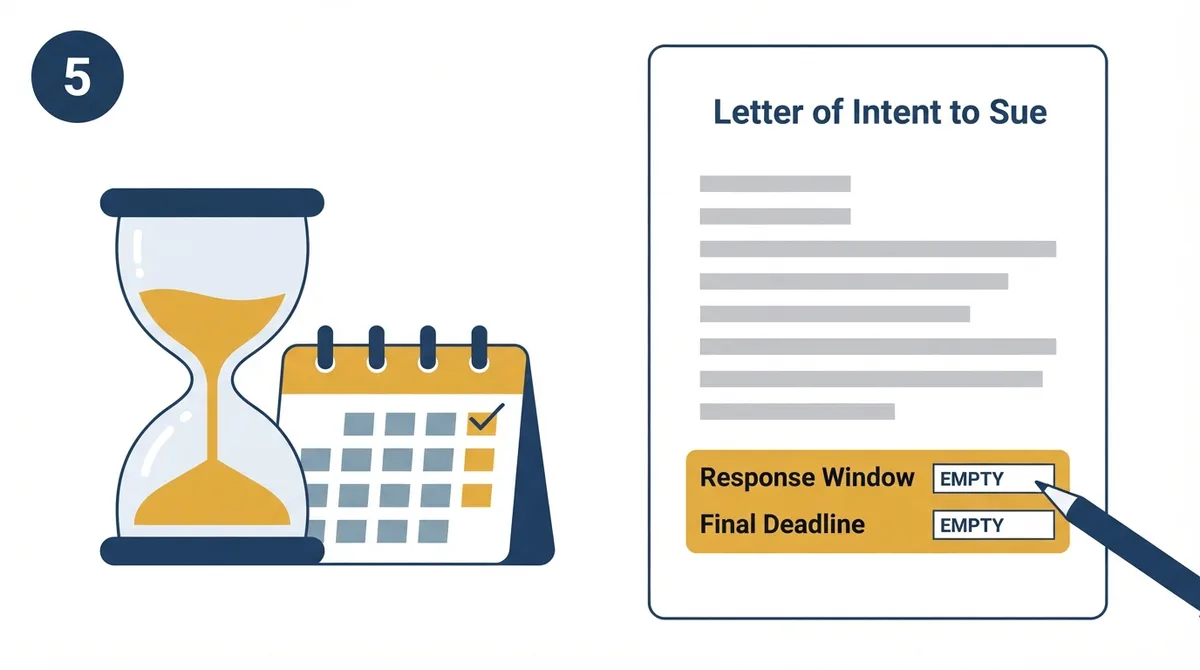
- Establish a response deadline - In the compliance clause, specify the exact timeframe the recipient has to respond before a lawsuit is filed. Provide a clear number of calendar days, typically between 14 and 30 days, and state the exact calendar date of the deadline. Setting an unrealistically short deadline, like 24 hours, which courts may view as unreasonable and bad-faith behavior.
- Number of response days
- Final calendar deadline date
- Method of accepted response
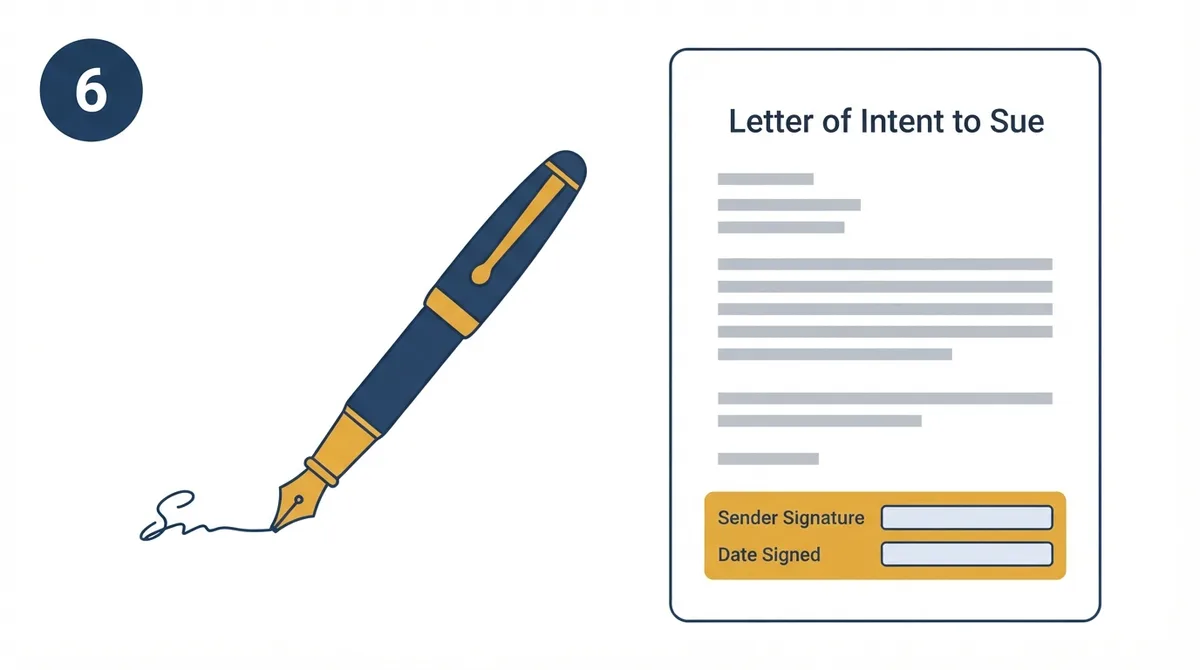
- Sign and deliver the notice - At the bottom of the document, sign the letter and record the delivery method used. Sign the document in ink or using a secure digital signature, and send it via certified mail with a return receipt requested to prove delivery. Sending the letter via standard email or regular mail makes it difficult to prove the recipient actually received the notice.
- Sender signature
- Date of signing
- Certified mail tracking number
Frequently Asked Questions
Sources
- Civil Pro Se Forms - Provides official forms for self-represented litigants in civil cases, including complaints and answers, which may be relevant when considering legal action.
- Civil Division | Documents and Forms - Offers various forms related to civil litigation, including Standard Form 95 for presenting claims against the United States under the Federal Tort Claims Act.
Not the form you're looking for?
Try our legal document generator to create a custom document
Disclaimer: The templates available on this website are provided for general informational purposes only and do not constitute legal advice. They are not intended to be, and should not be interpreted as, compliant with any specific legal, regulatory, or privacy requirements. These templates are not a replacement for professional legal guidance and should not be relied upon for any particular matter or circumstance. Users are strongly encouraged to seek advice from a qualified attorney licensed in their jurisdiction before using, modifying, or relying on any template.
All templates are provided on an "as is," "with all faults," and "as available" basis. The provider disclaims any and all warranties of any kind, whether express, implied, statutory, or otherwise, including without limitation warranties of merchantability, fitness for a particular purpose, title, or non-infringement.
LegalTemplates.com makes no guarantees or representations regarding the accuracy, completeness, expected outcomes, or reliability of the materials contained in these templates or any materials referenced or linked from them.