Power of Attorney
Create Power of Attorney
Power of Attorney
A Power of Attorney is a legal instrument granting a designated agent the authority to act for a principal in specified financial, medical, or legal matters.
Answer the question(s) below to create your Power of Attorney
Authority Effective Timing
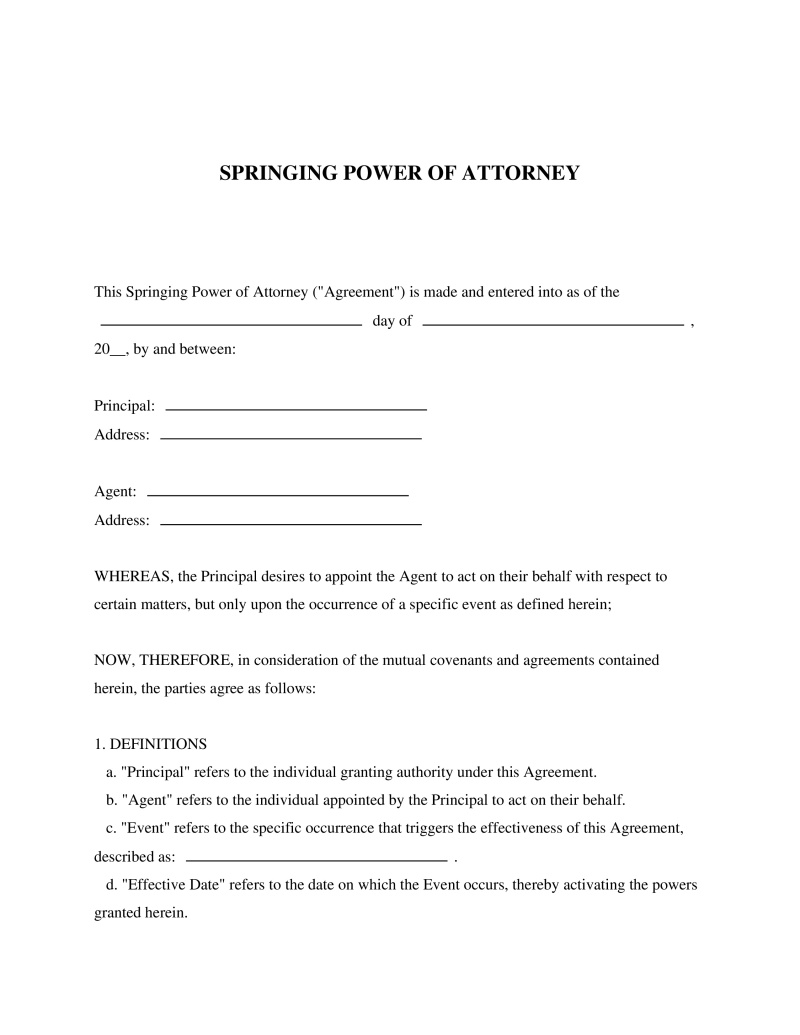
Many powers of attorney are effective immediately. A springing power of attorney becomes effective only after a stated event, commonly the Principal's incapacity, but some jurisdictions impose special requirements for proving that event.
Use this only if the authority should not begin immediately and should start on a calendar date.
Describe the triggering event clearly, such as written certification of incapacity by one or two licensed physicians.
For springing authority, third parties often need clear proof before accepting the Agent's authority.
Use precise language so banks, healthcare providers, or other institutions can verify when the authority has begun.
Popular: Alabama, California, Colorado, Florida, Arkansas, Mississippi, New Jersey, Arizona all states
Table of Contents
What is a Power of Attorney?
A power of attorney is a legal instrument that grants one individual the authority to act on behalf of another in legal, financial, or medical matters. This document establishes a fiduciary relationship, allowing a designated representative to manage affairs when the creator of the document is unable to do so due to illness, injury, or physical absence. Individuals utilize a Power of Attorney Form to protect their interests, ensure business continuity, and establish clear guidelines for decision-making during emergencies.
Types of Power of Attorney
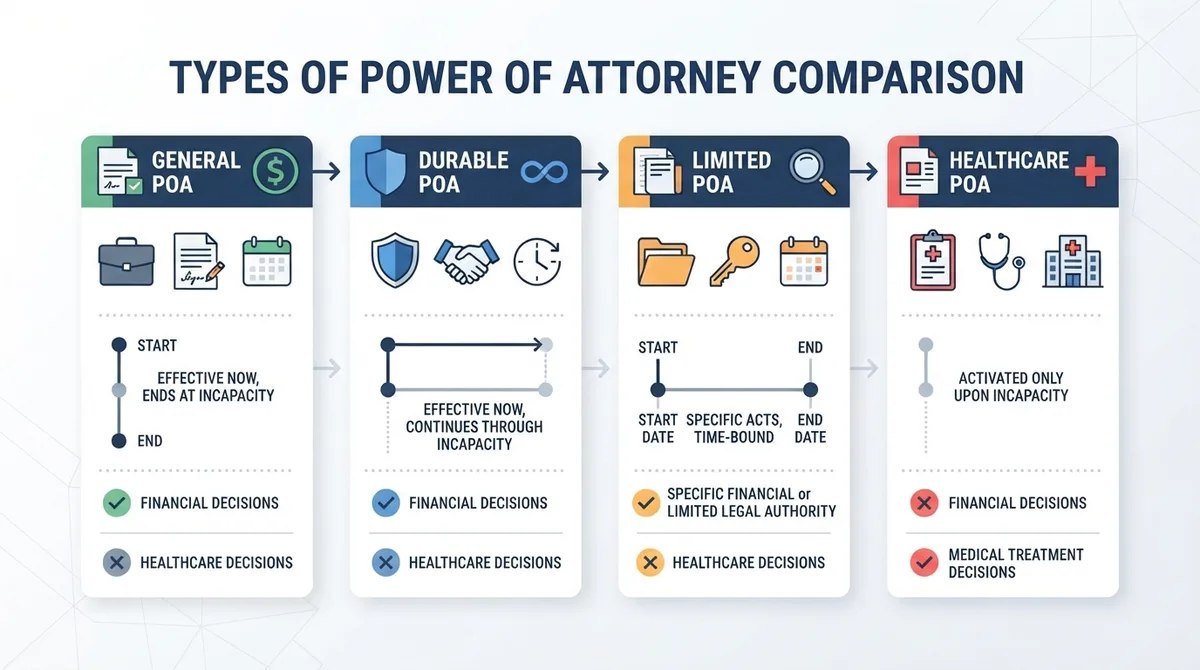
Different legal instruments serve distinct purposes depending on the scope of authority granted and the duration of the agreement:
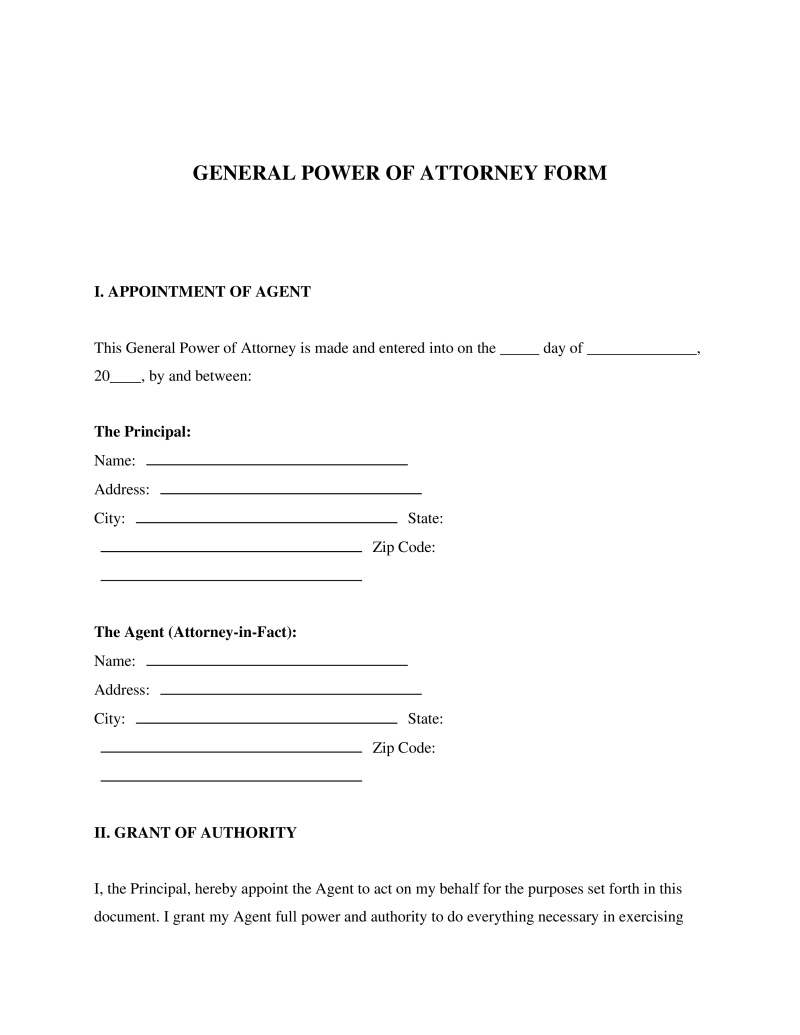
- General Power of Attorney - Grants broad authority to the designated representative to manage a wide range of financial, legal, and business transactions on behalf of the principal.
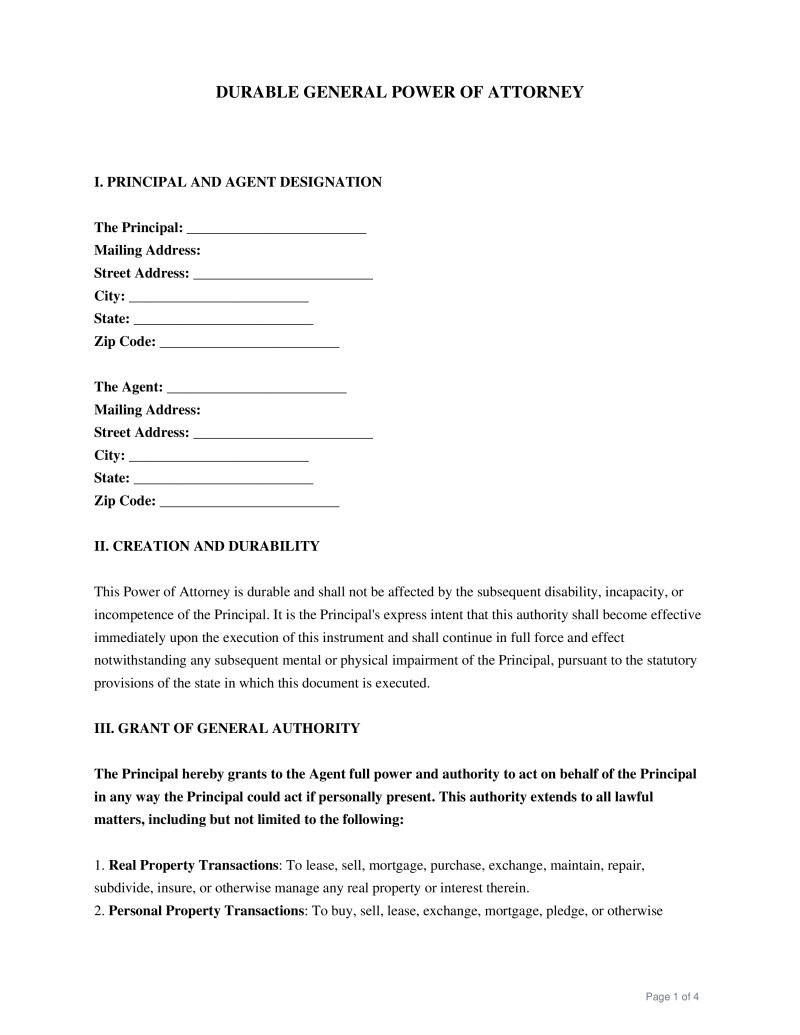
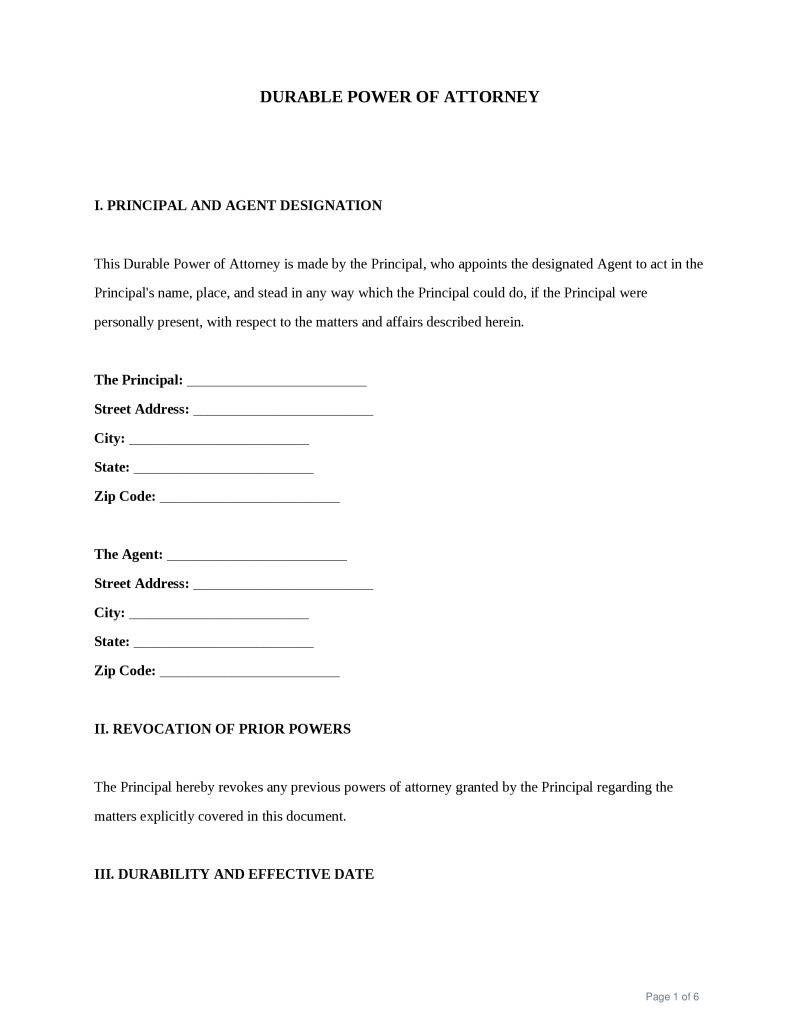
- Durable Power of Attorney - Remains legally effective if the principal becomes mentally incapacitated or physically unable to make decisions, ensuring continuous management of affairs.
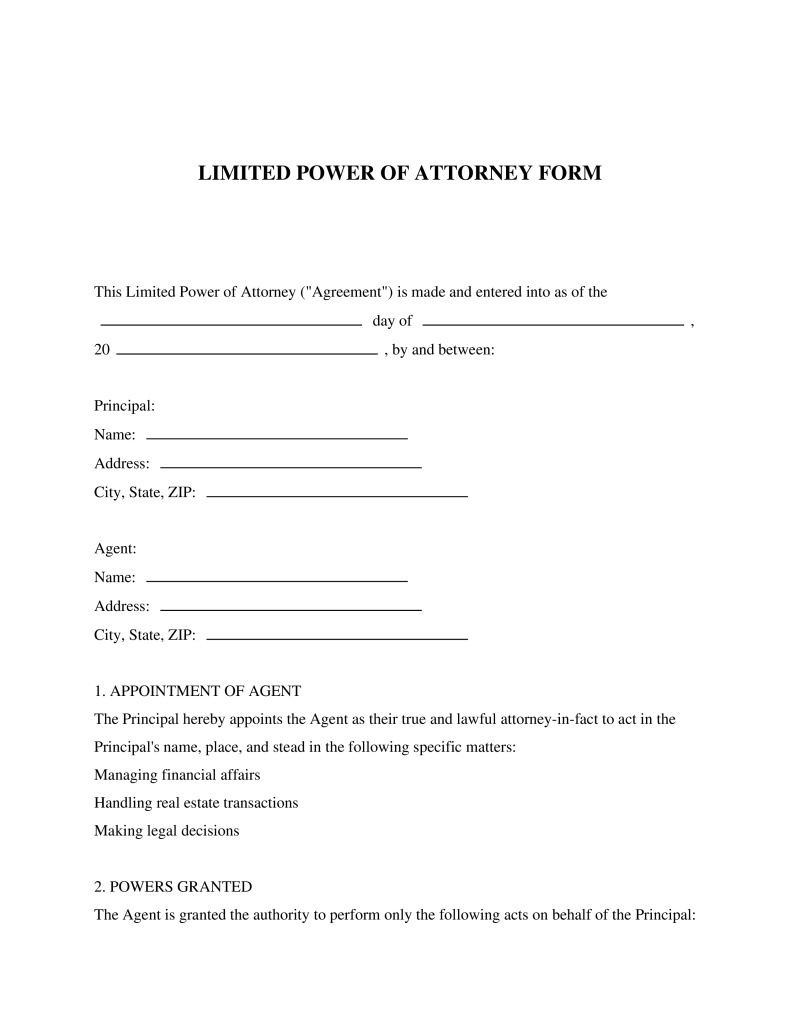
- Limited Power of Attorney - Provides temporary authority restricted to specific tasks or timeframes, often used when an individual is leaving the country for an extended period and needs someone to sign documents.
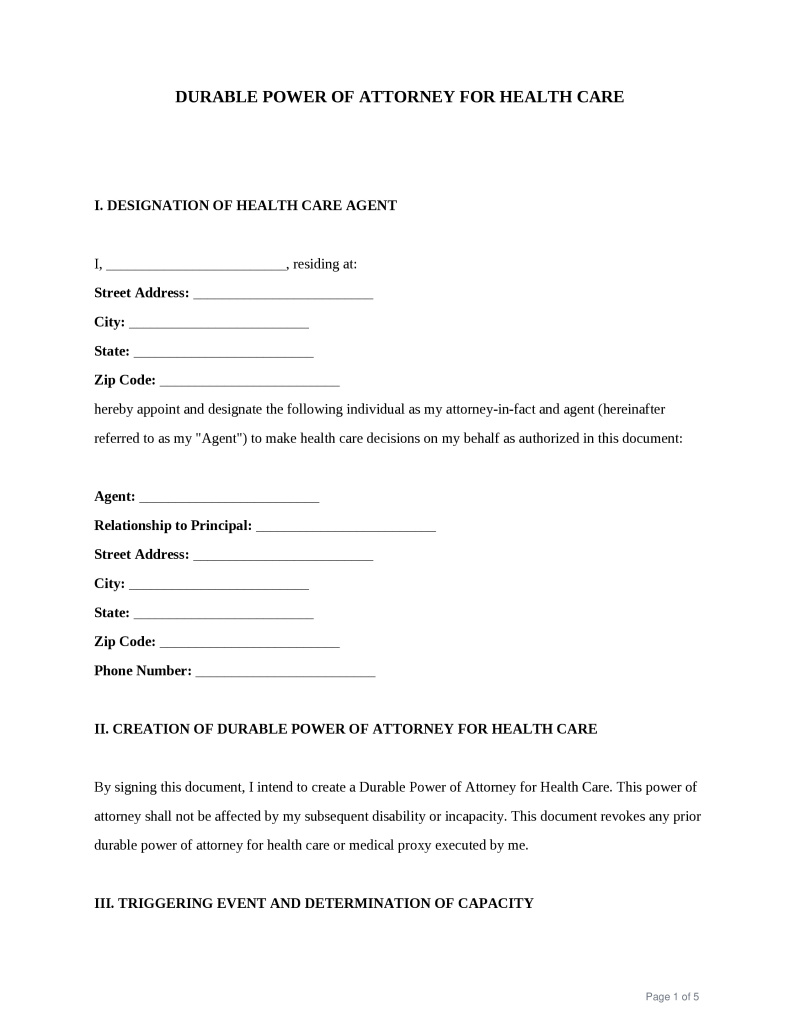
- Durable Power of Attorney for Healthcare - Designates a surrogate to make medical treatment decisions on behalf of the principal if they become unable to communicate their own wishes.
Key Parties Involved
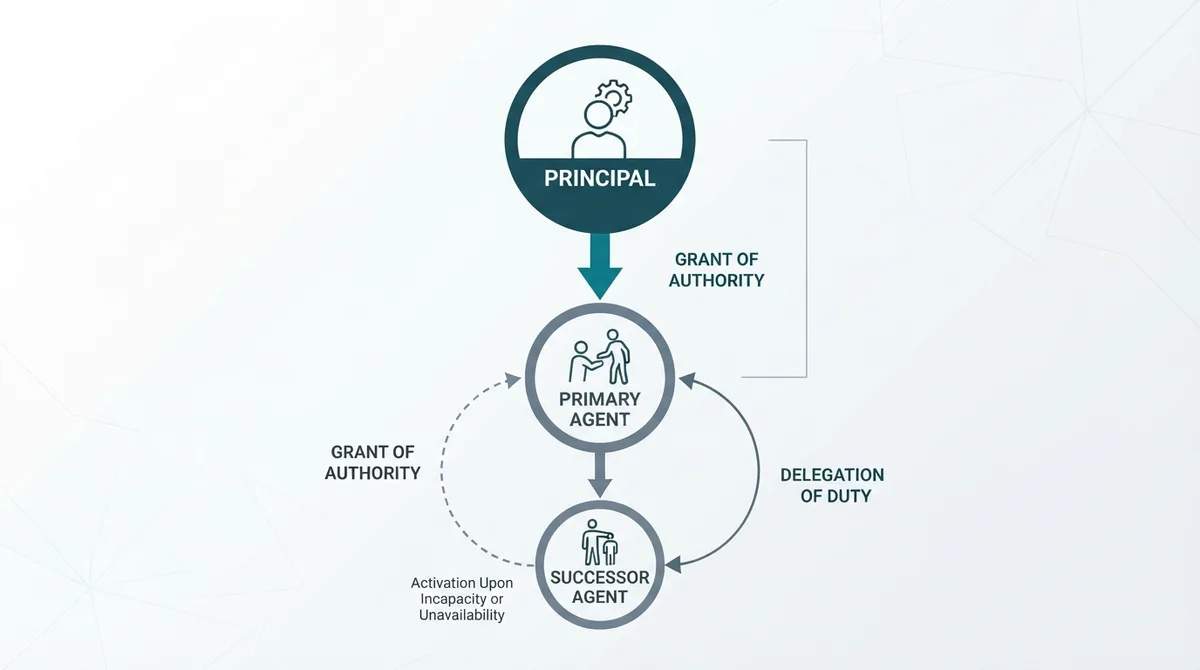
Creating this legal relationship requires a clear understanding of the roles and responsibilities assigned to each participant:
- The Principal - The individual who grants authority and creates the legal document to delegate decision-making power.
- The Agent - The designated representative, also known as the attorney-in-fact, who receives the authority to act on behalf of the principal.
- The Successor Agent - An alternate representative who steps in to manage affairs if the primary agent is unable or unwilling to serve.
Essential Elements of a Power of Attorney Form
A legally sound Power of Attorney Form must contain specific provisions to ensure validity and clarity of intent:
- Identification of Parties - Clear full names and contact information of both the principal and the designated agent.
- Grant of Authority - A detailed description of the specific powers being delegated, whether financial, legal, or medical.
- Durability Provision - Explicit language indicating whether the document remains effective or becomes effective upon the incapacitation of the principal.
- Revocation Terms - Instructions outlining how the principal can cancel the agreement and under what conditions the document automatically terminates.
- Execution Date - The precise calendar date the document is signed, which establishes the timeline for its legal validity.
Duties and Responsibilities of an Agent
An agent is legally bound to act in the best interests of the principal, adhering to strict fiduciary standards:
- Duty of Loyalty - The agent must avoid conflicts of interest and must not use the principal's assets for personal gain.
- Duty of Care - The agent must manage the principal's affairs with the same care and prudence that a reasonable person would use.
- Duty to Keep Records - The agent must maintain detailed, accurate logs of all financial transactions and decisions made on behalf of the principal.
- Duty of Separation - The agent must keep the principal's assets completely separate from their own personal funds and accounts.
Execution and Legal Safeguards
Executing a Power of Attorney Form requires adherence to specific legal formalities to prevent fraud and ensure the document is recognized by financial and medical institutions. Most jurisdictions require the principal to sign the document in the presence of witnesses or a notary public. Notarization verifies the identity of the signer and confirms that they are executing the document voluntarily and under their own free will.
A written document by itself does not guarantee that a person's wishes will be understood and respected. Informed, thoughtful reflection about personal values, along with direct communication between the principal and the agent, is essential to ensure the agent acts in alignment with the principal's true intentions. Agents must maintain meticulous records of all transactions and decisions made on behalf of the principal to demonstrate compliance with their fiduciary duties.
Termination of the agreement can occur under several circumstances. The principal can revoke the authority at any time, provided they possess the mental capacity to do so. The document also ceases to be effective upon the death of the principal, the death of the agent if no successor is named, or if a court rules the document invalid. Some documents are designed with a specific expiration date, particularly when used for temporary business transactions or travel.
Frequently Asked Questions
A Power of Attorney Form is used to legally delegate decision-making authority to a trusted agent. This allows the agent to manage financial, legal, or healthcare decisions when the principal is unavailable or incapacitated.
A durable power of attorney remains legally valid if the principal becomes mentally incompetent or incapacitated. A non-durable power of attorney automatically terminates immediately upon the principal's incapacitation.
No, an agent does not have the legal authority to create, modify, or revoke a principal's will. The agent's powers are strictly limited to managing the affairs specified within the legal document itself.
A principal can revoke the document at any time by signing a written revocation form while they are of sound mind. The revocation must be delivered to the agent and any institutions that relied on the original document.
No, all power of attorney agreements automatically terminate immediately upon the death of the principal. After death, the executor named in the principal's will or an administrator appointed by a court takes over the estate.
Sources
- Legal and Financial Considerations - United States Department of State - Provides information on powers of attorney, including their definition and usage in specific situations.
- Eldercare - United States Department of State - Discusses health care advance directives, including durable power of attorney for health care, and their importance in medical decision-making.
By State
Alabama
Alaska
Arizona
Arkansas
California
Colorado
Connecticut
Delaware
Florida
Georgia
Hawaii
Idaho
Illinois
Indiana
Iowa
Kansas
Kentucky
Louisiana
Maine
Maryland
Massachusetts
Michigan
Minnesota
Mississippi
Missouri
Montana
Nebraska
Nevada
New Hampshire
New Jersey
New Mexico
New York
North Carolina
North Dakota
Ohio
Oklahoma
Oregon
Pennsylvania
Rhode Island
South Carolina
South Dakota
Tennessee
Texas
Utah
Vermont
Virginia
Washington
West Virginia
Wisconsin
Wyoming
Related Documents
Forms commonly used with Power of Attorney.
Not the form you're looking for?
Try our legal document generator to create a custom document
Disclaimer: The templates available on this website are provided for general informational purposes only and do not constitute legal advice. They are not intended to be, and should not be interpreted as, compliant with any specific legal, regulatory, or privacy requirements. These templates are not a replacement for professional legal guidance and should not be relied upon for any particular matter or circumstance. Users are strongly encouraged to seek advice from a qualified attorney licensed in their jurisdiction before using, modifying, or relying on any template.
All templates are provided on an "as is," "with all faults," and "as available" basis. The provider disclaims any and all warranties of any kind, whether express, implied, statutory, or otherwise, including without limitation warranties of merchantability, fitness for a particular purpose, title, or non-infringement.
LegalTemplates.com makes no guarantees or representations regarding the accuracy, completeness, expected outcomes, or reliability of the materials contained in these templates or any materials referenced or linked from them.