Bill of Sale
Create Bill of Sale
Bill of Sale
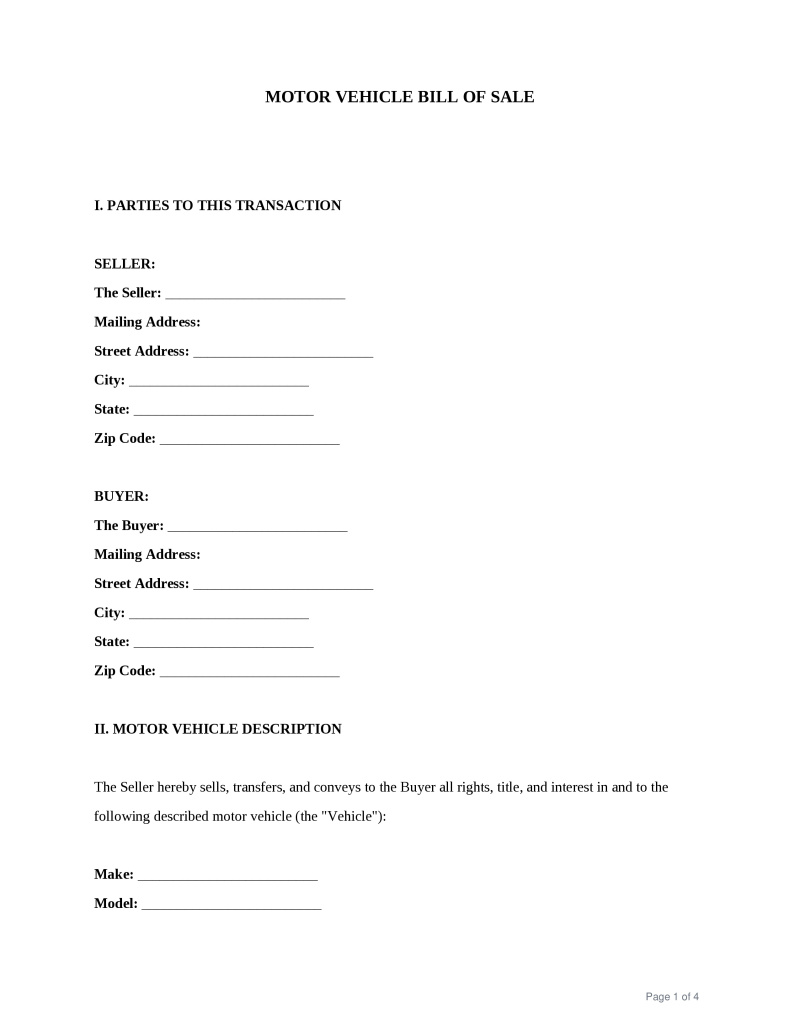
A Bill of Sale is a formal legal document that serves as evidence of the transfer of ownership of personal property from a seller to a buyer, often detailing specific transaction terms.
Answer the question(s) below to create your Bill of Sale
Asset Type
Choose the category that best describes the item. This helps include the right identifying details, such as VIN, hull number, serial number, or livestock identifiers.
Use this when the item does not fit one of the listed categories.
Popular: Alabama, Colorado, Arkansas, Georgia, Florida, California, Massachusetts, Mississippi all states
Table of Contents
What is a Bill of Sale?
A Bill of Sale is a legal document that records the transfer of ownership of personal property from one party to another. This document serves as a formal receipt of a transaction, detailing the transfer of goods, the purchase price, and the identities of the buyer and seller. It is commonly utilized in transactions involving motor vehicles, watercraft, aircraft, and other valuable personal property. By establishing a written record of the transfer, the document protects both parties against future disputes regarding ownership or the terms of the sale.
Purpose and Common Uses
A Bill of Sale functions primarily as legal evidence of a completed transaction. It documents the transition of liability and rights from the seller to the buyer at a specific point in time. While it is most frequently associated with automotive sales, it applies to various private sales of valuable personal assets.
Common scenarios involving this document include:
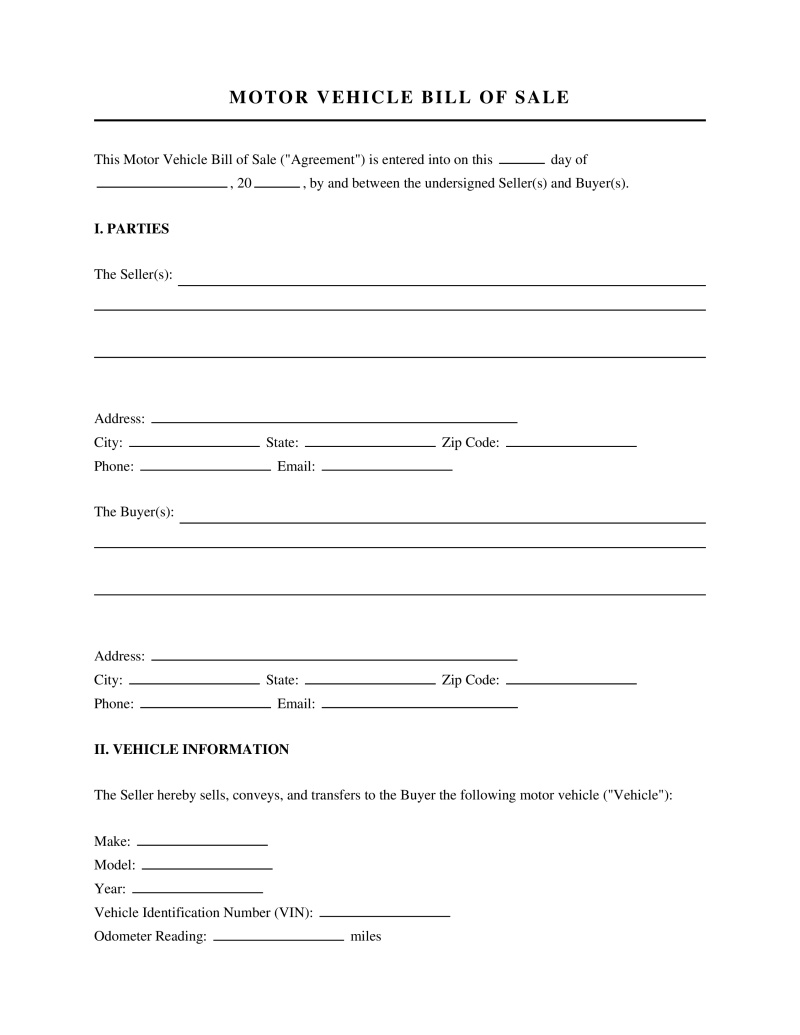
- Private Vehicle Sales - Documenting the transfer of cars, motorcycles, or trucks between private parties.
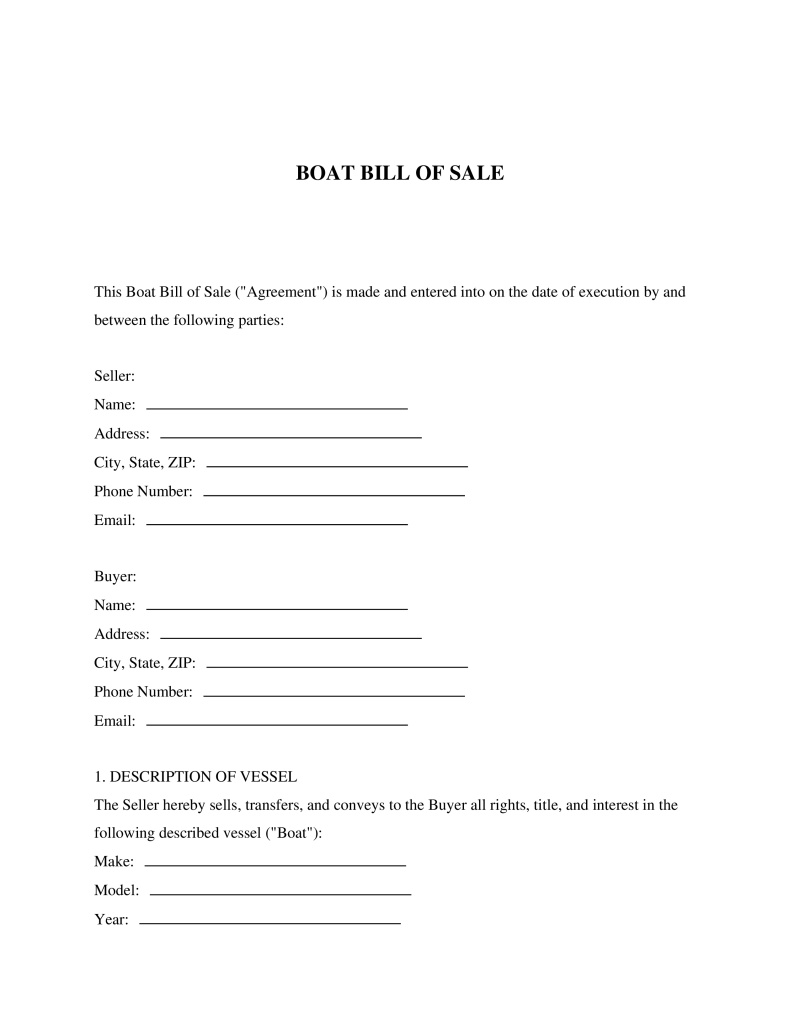
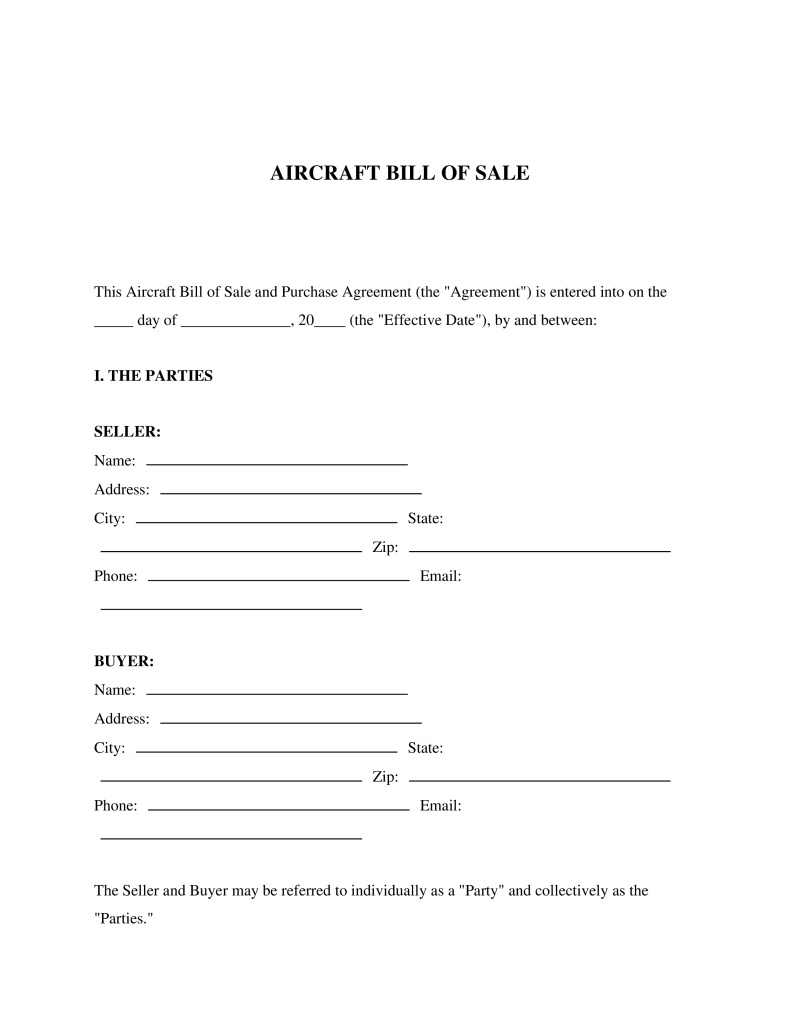
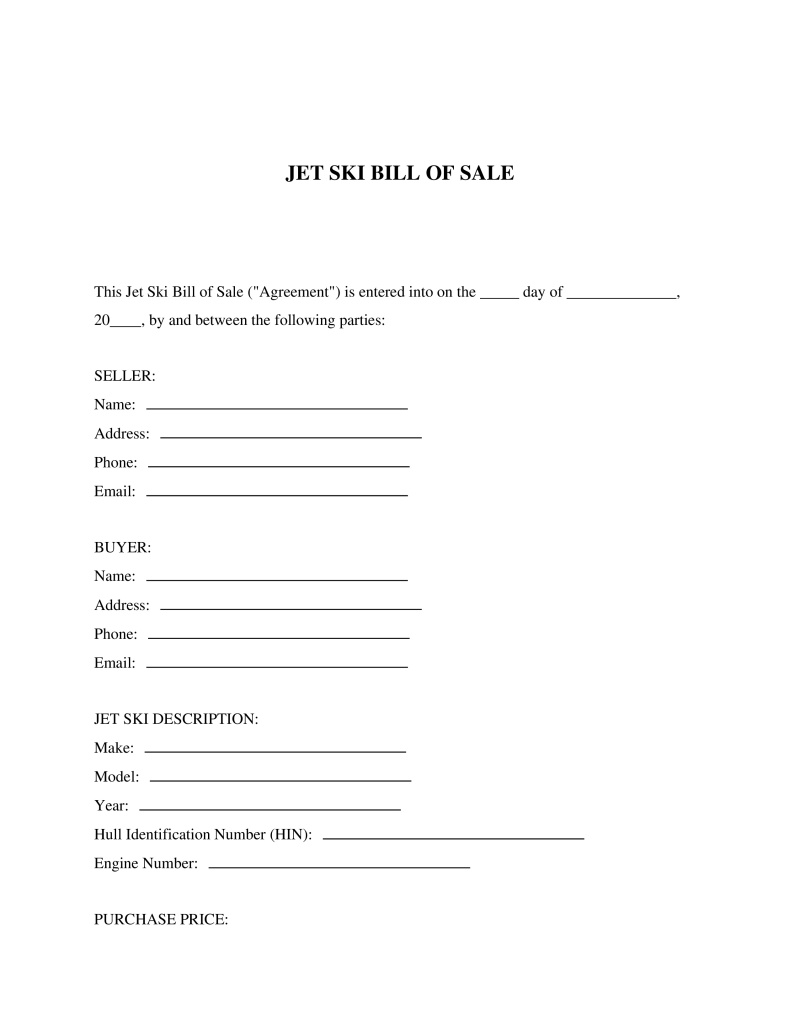
- Vessel and Aircraft Sales - Recording the transfer of boats, personal watercraft, or light aircraft.
- High-Value Personal Property - Transacting items such as livestock, heavy machinery, specialized equipment, or electronics.
Types of Bills of Sale
Different transactions require specific types of documentation to reflect the nature of the transfer:
- Absolute Bill of Sale - Transfers ownership of the property completely and unconditionally without any remaining security interests or conditions.
- Conditional Bill of Sale - Transfers ownership subject to specific conditions, such as a payment plan, where the seller retains security interest until full payment is made.
- Quitclaim Bill of Sale - Transfers whatever interest the seller has in the property without any warranties or guarantees of clear title.
- Warranty Bill of Sale - Guarantees that the seller holds a clear title to the property and has the legal right to sell it free from liens or encumbrances.
Key Elements of a Bill of Sale
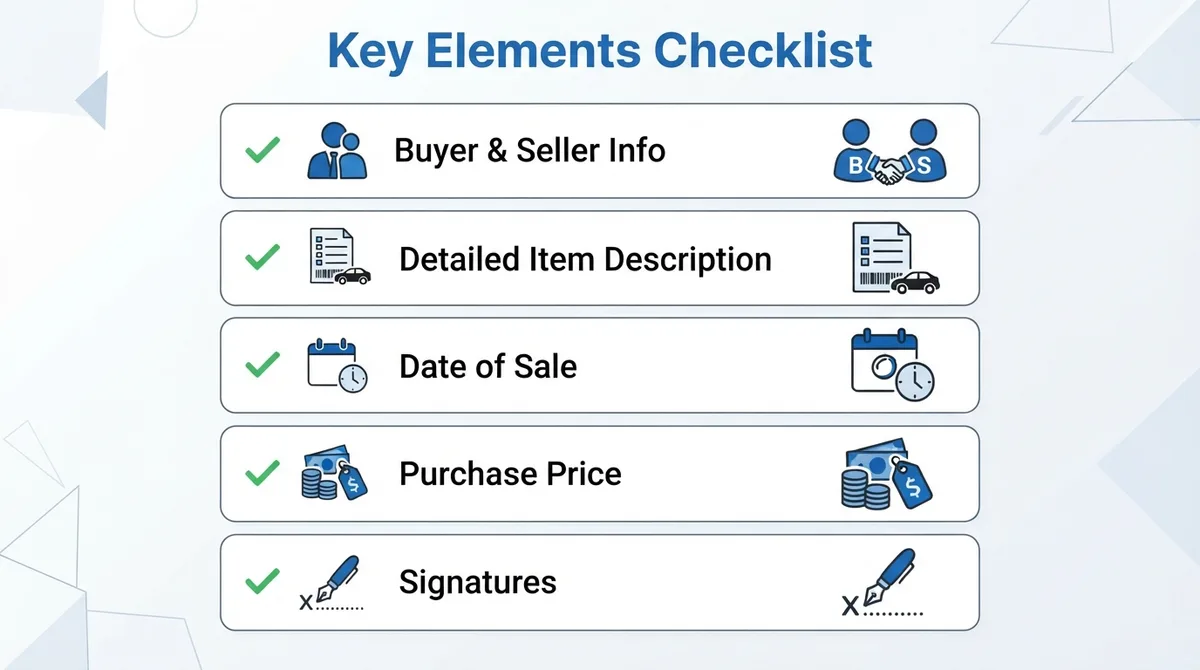
To ensure legal clarity and validity, a standard transfer document includes several key pieces of information:
- Party Identification - The full names, physical addresses, and contact information of both the buyer and the seller.
- Property Description - Detailed specifications of the item, including make, model, year, serial number, color, and any unique identifying marks.
- Transaction Date - The exact calendar date when the transfer of ownership and possession occurs.
- Purchase Price - The agreed-upon monetary amount paid for the item, or a statement indicating a gift or trade.
- Signatures - The physical or electronic signatures of both parties, confirming agreement to the terms of the sale.
State-Specific Regulations and Legal Frameworks
Different jurisdictions maintain unique statutory requirements for transaction documents, particularly concerning motor vehicles and registration procedures:
- California Vehicle Ownership Transfer - Allows the document to be used in lieu of the registered owner’s release signature on the title by printing 'B/S' on the registered owner release line, and does not require notarization or witnesses for vehicle transactions (Cal. Veh. Code § 1652).
- Indiana Vehicle and Watercraft Transactions - Authorizes the use of State Form 44237 to record the transfer of vehicles or watercraft, requiring detailed asset information, transaction details, and signatures from both parties (Ind. Code § 9-17-2-4).
- Utah Sales Tax and Purchase Price Requirements - Mandates the document to establish the purchase price for sales tax calculations, requiring the actual price paid to be accurately reported to avoid audits and penalties (Utah Admin. Code R873-22M).
Differences Between a Bill of Sale and a Title
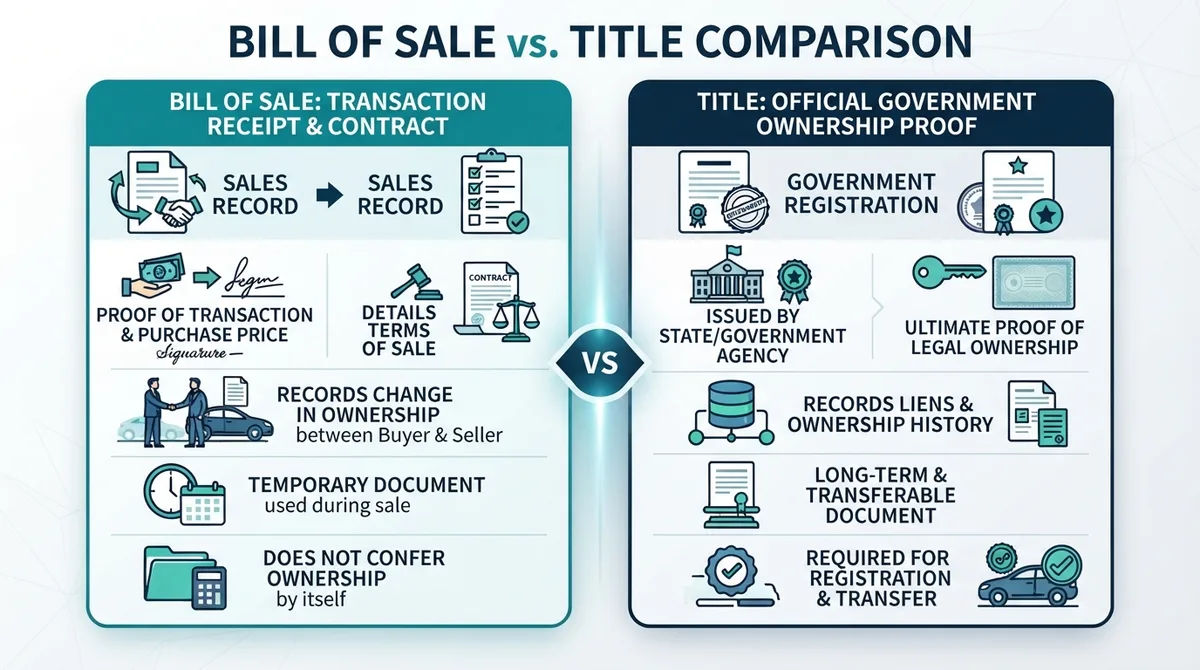
A Bill of Sale and a certificate of title are distinct legal instruments with different functions in property transactions. A Bill of Sale acts as a contract of sale and a receipt, proving that a transaction occurred and that ownership rights were transferred on a specific date. It is signed by both parties and serves as primary evidence of the agreement terms.
A certificate of title is an official government document issued by a state agency, such as a Department of Motor Vehicles, that serves as definitive proof of legal ownership. While the transfer document records the transaction, the buyer must submit it to the appropriate state agency to obtain a new title in their name. The transfer document initiates the process, but the title completes the official registration of ownership with the government.
Frequently Asked Questions
It serves as strong evidence of a transfer of ownership and acts as a transaction receipt. To establish official legal ownership for registered goods like vehicles, the buyer must register the document with the state to obtain a new title.
Most states do not require notarization for standard personal property transactions. Certain jurisdictions or specific vehicle transfers may require a notary public to witness the signatures of both parties.
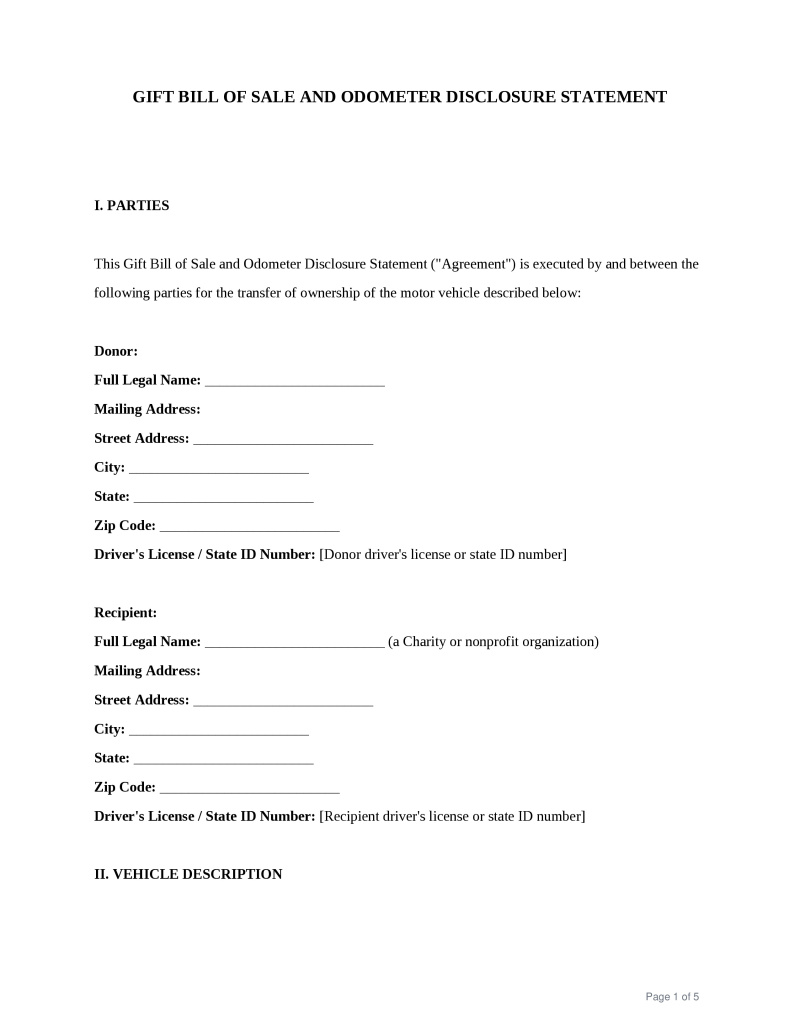
Yes, it can document the transfer of an item as a gift. In these cases, the purchase price is typically listed as zero dollars or noted as a gift to clarify tax obligations.
Underreporting the purchase price to reduce sales tax is illegal and can lead to severe penalties. State agencies, such as the Utah DMV, actively audit transactions and penalize parties who report inaccurate prices.
A handwritten document is legally valid as long as it contains all the essential details of the transaction. It must clearly identify the parties, describe the property, state the purchase price, and contain signatures from both the buyer and seller.
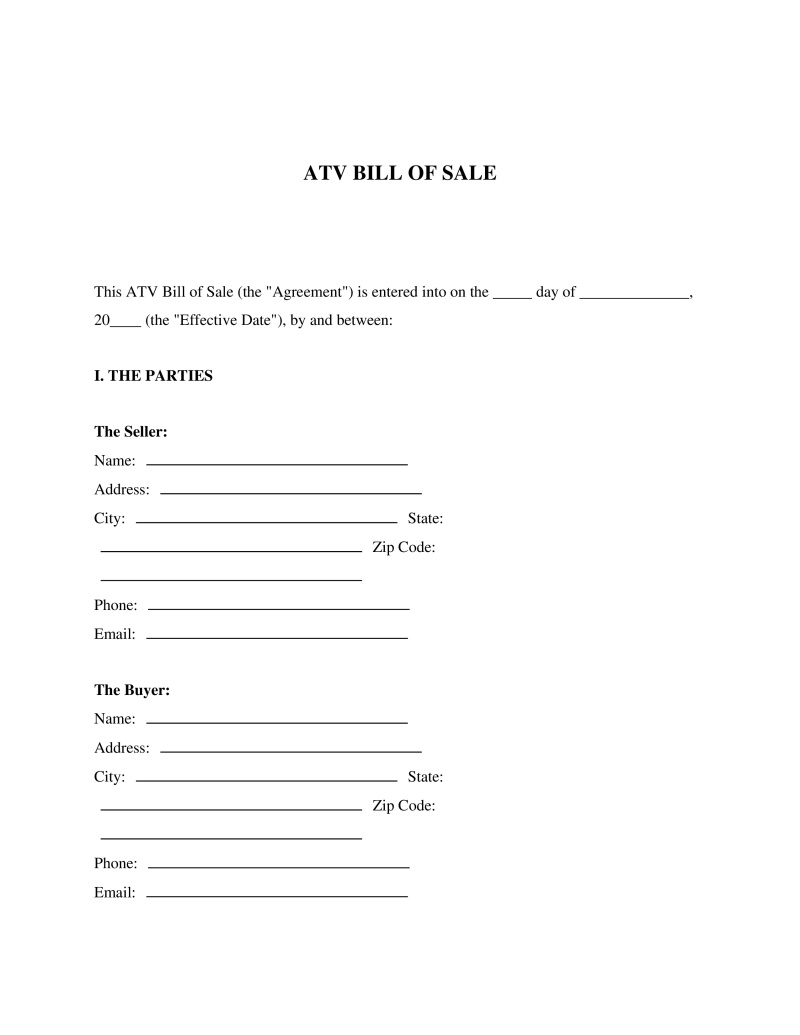
Bill of Sale Sample
0% Complete
0/0 Fields
Sources
- Bill of Sale (VC §1652) - California DMV - Provides guidelines on the use of Bill of Sale forms for vehicle transactions in California, including requirements and acceptable forms.
- Bill of Sale Information - Utah DMV - Details the requirements for a Bill of Sale in Utah, including the necessary information and sales tax considerations.
- Bill of Sale (State Form 44237) - Indiana BMV - Provides the official Bill of Sale form for vehicle or watercraft transactions in Indiana, including required information and legal authority.
- Bill of Sale (Form 44237) - Indiana BMV - Lists the official Bill of Sale form (Form 44237) for vehicle transactions in Indiana, including instructions and legal authority.
By State
Alabama
Alaska
Arizona
Arkansas
California
Colorado
Connecticut
Delaware
Florida
Georgia
Hawaii
Idaho
Illinois
Indiana
Iowa
Kansas
Kentucky
Louisiana
Maine
Maryland
Massachusetts
Michigan
Minnesota
Mississippi
Missouri
Montana
Nebraska
Nevada
New Hampshire
New Jersey
New Mexico
New York
North Carolina
North Dakota
Ohio
Oklahoma
Oregon
Pennsylvania
Rhode Island
South Carolina
South Dakota
Tennessee
Texas
Utah
Vermont
Virginia
Washington
West Virginia
Wisconsin
Wyoming
Related Documents
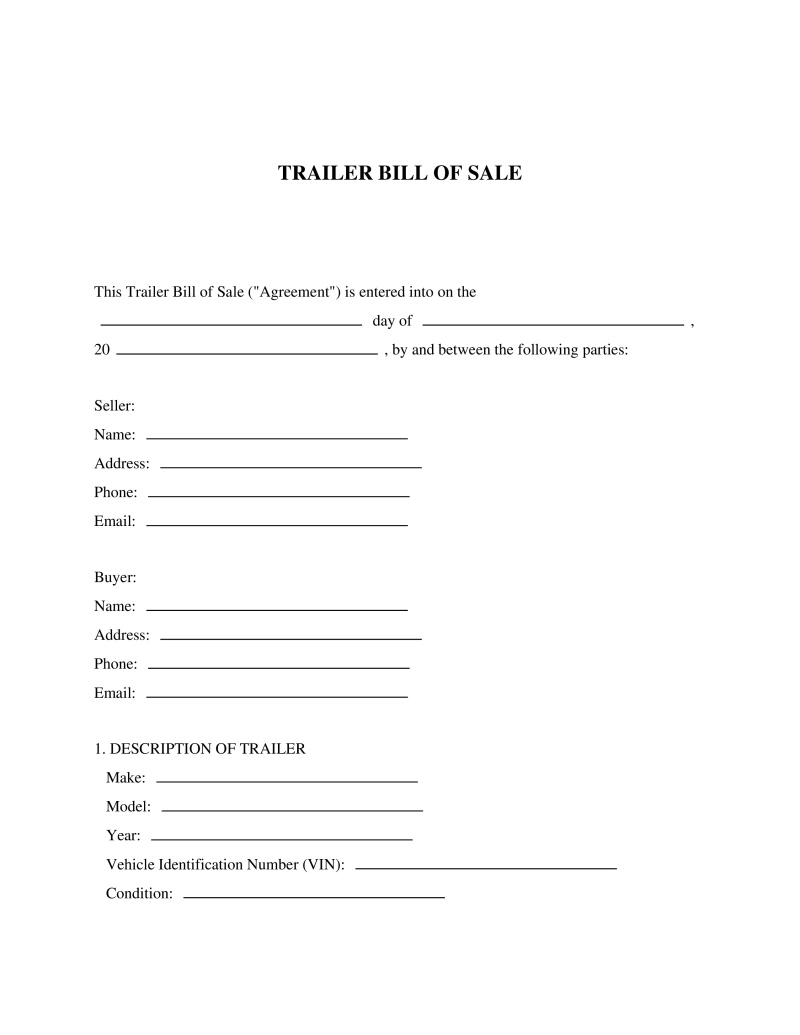
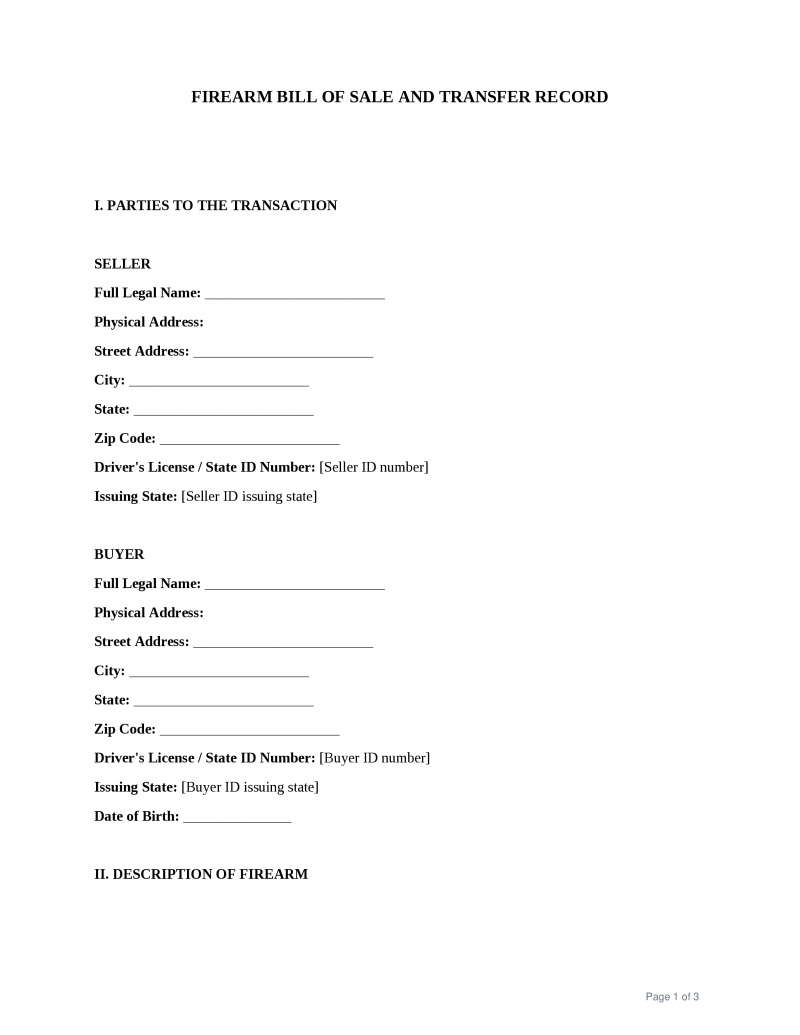
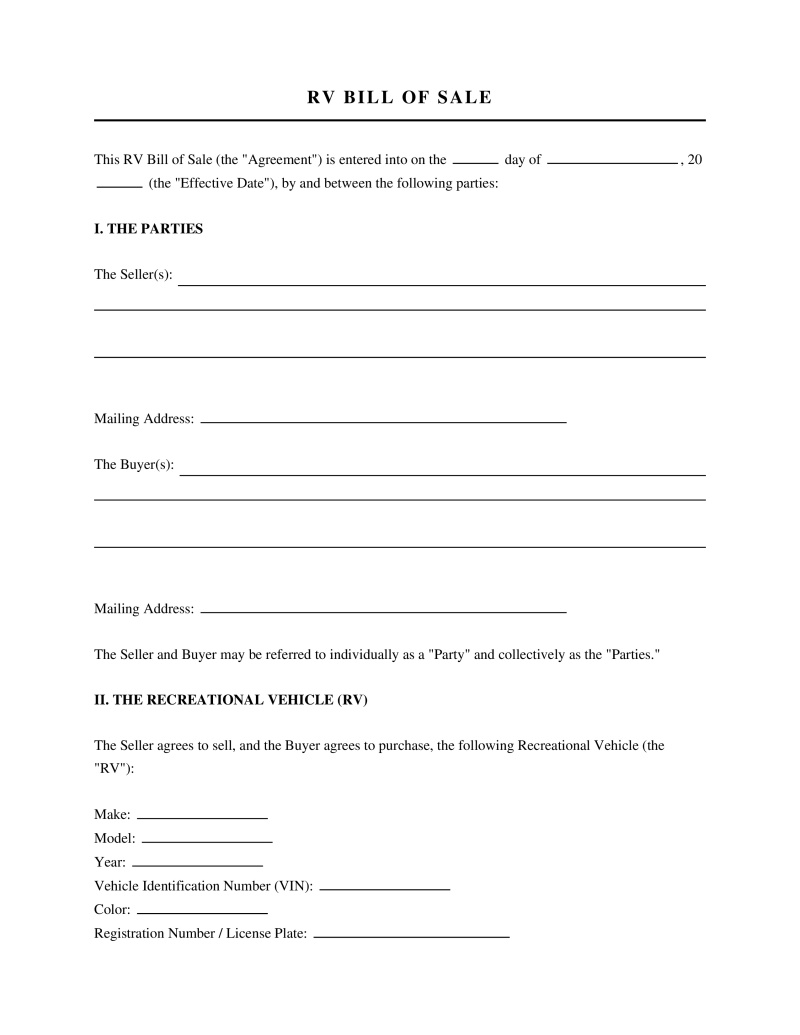
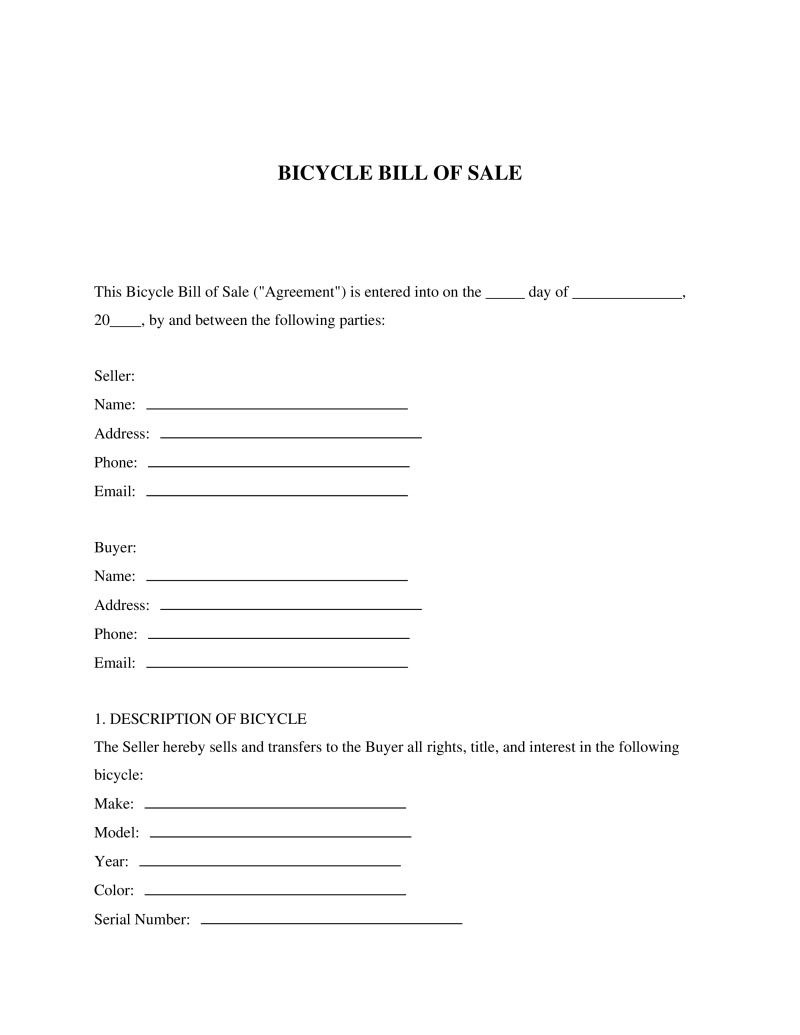
Forms commonly used with Bill of Sale.
Already have a Bill of Sale?
Get it reviewed free — checked against your state's laws in about a minute.
Not the form you're looking for?
Try our legal document generator to create a custom document
Disclaimer: The templates available on this website are provided for general informational purposes only and do not constitute legal advice. They are not intended to be, and should not be interpreted as, compliant with any specific legal, regulatory, or privacy requirements. These templates are not a replacement for professional legal guidance and should not be relied upon for any particular matter or circumstance. Users are strongly encouraged to seek advice from a qualified attorney licensed in their jurisdiction before using, modifying, or relying on any template.
All templates are provided on an "as is," "with all faults," and "as available" basis. The provider disclaims any and all warranties of any kind, whether express, implied, statutory, or otherwise, including without limitation warranties of merchantability, fitness for a particular purpose, title, or non-infringement.
LegalTemplates.com makes no guarantees or representations regarding the accuracy, completeness, expected outcomes, or reliability of the materials contained in these templates or any materials referenced or linked from them.