Chapter 13 Bankruptcy
A Chapter 13 bankruptcy filing is a legal document that enables individuals with regular income to propose a structured plan to repay their debts.
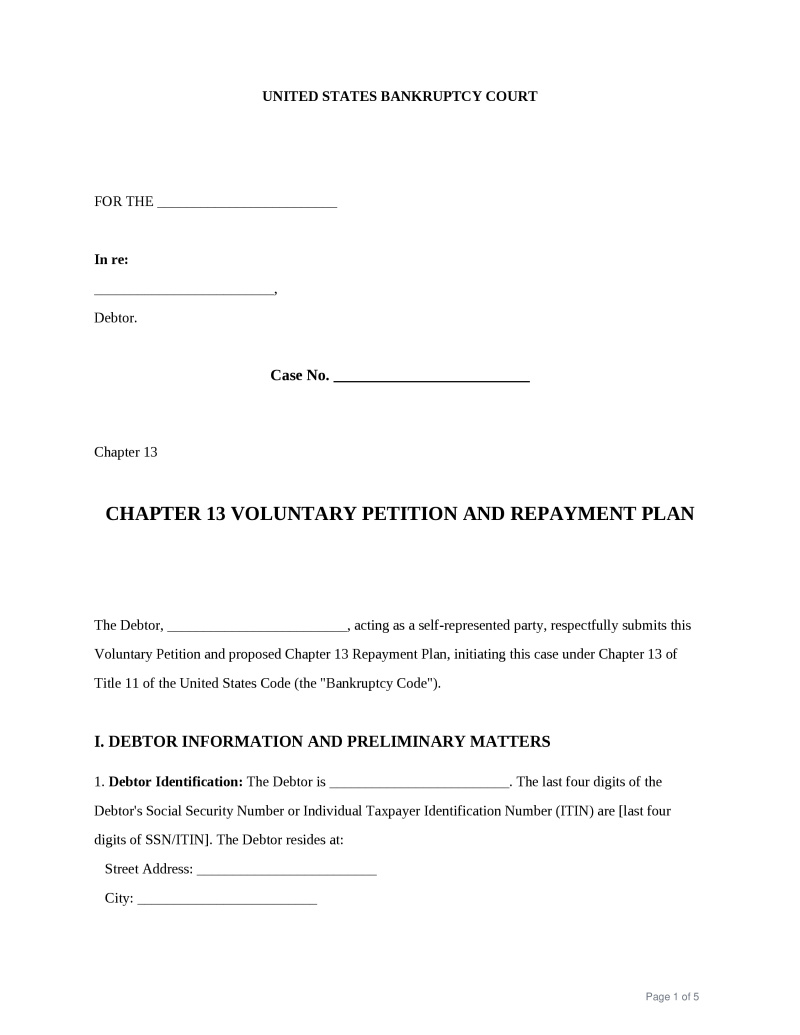
Case Posture
Choose "New case" if no bankruptcy case number has been assigned yet. Choose an existing-case option if the bankruptcy court has already opened the case.
Table of Contents
What is a Chapter 13 Bankruptcy?
Chapter 13 Bankruptcy is a legal process under the United States Bankruptcy Code that enables individual debtors with regular income to restructure and repay their outstanding debts. Often referred to as a wage earner plan, this process allows individuals to propose a structured repayment plan to pay all or a portion of their obligations to creditors over a designated period of three to five years. This legal mechanism is primarily utilized by individuals who wish to retain their homes, vehicles, or other significant assets that might otherwise be liquidated in other types of bankruptcy proceedings. It provides a structured path toward financial recovery while ensuring creditors receive equitable treatment under court supervision. Under this chapter, the debtor proposes a detailed plan to make regular installments to a court-appointed trustee. The trustee is responsible for receiving these monthly payments and distributing the funds to creditors according to the terms of the confirmed plan. This system eliminates direct interaction between the debtor and creditors, reducing conflict during the repayment period.
Eligibility and Filing Requirements
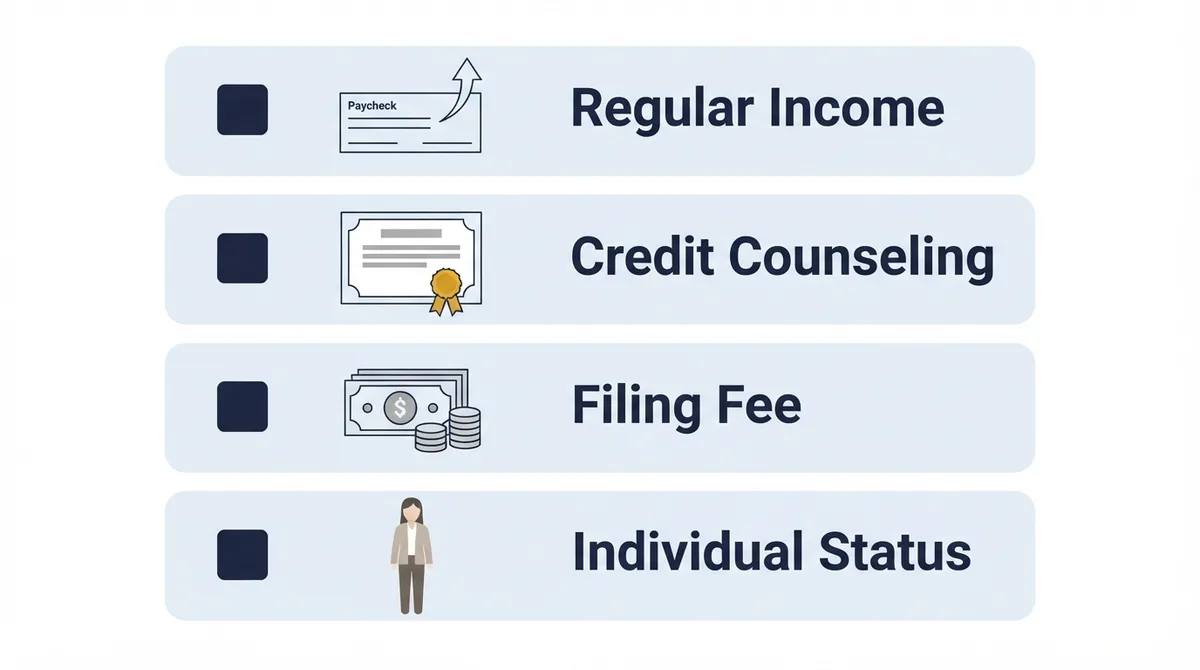
Filing for bankruptcy under this chapter requires thorough preparation and strict adherence to procedural rules. The process begins with compiling extensive financial records that reflect the debtor's complete economic situation. The bankruptcy court evaluates these submissions to confirm the debtor's ability to fulfill the plan terms. To qualify for relief under this chapter of the bankruptcy code, individual debtors must meet specific statutory criteria established by federal law:
- Regular Income Source - Debtors must demonstrate a stable and regular source of income to prove they can fund the proposed repayment plan.
- Credit Counseling Requirement - Debtors must obtain credit counseling from an approved agency within 180 days before filing the petition (11 U.S.C. § 109(h)).
- Filing Fee Payment - Debtors must pay the required filing fee of $313.00, or submit an application to pay the fee in installments along with the voluntary petition.
- Individual Status - Only individuals, including self-employed sole proprietors, may file for this specific type of debt restructuring, as corporations and partnerships are excluded.
- Debt Limit Compliance - Debtors must have unsecured and secured debts that fall below the statutory limits established under federal bankruptcy guidelines.
The Repayment Plan Duration
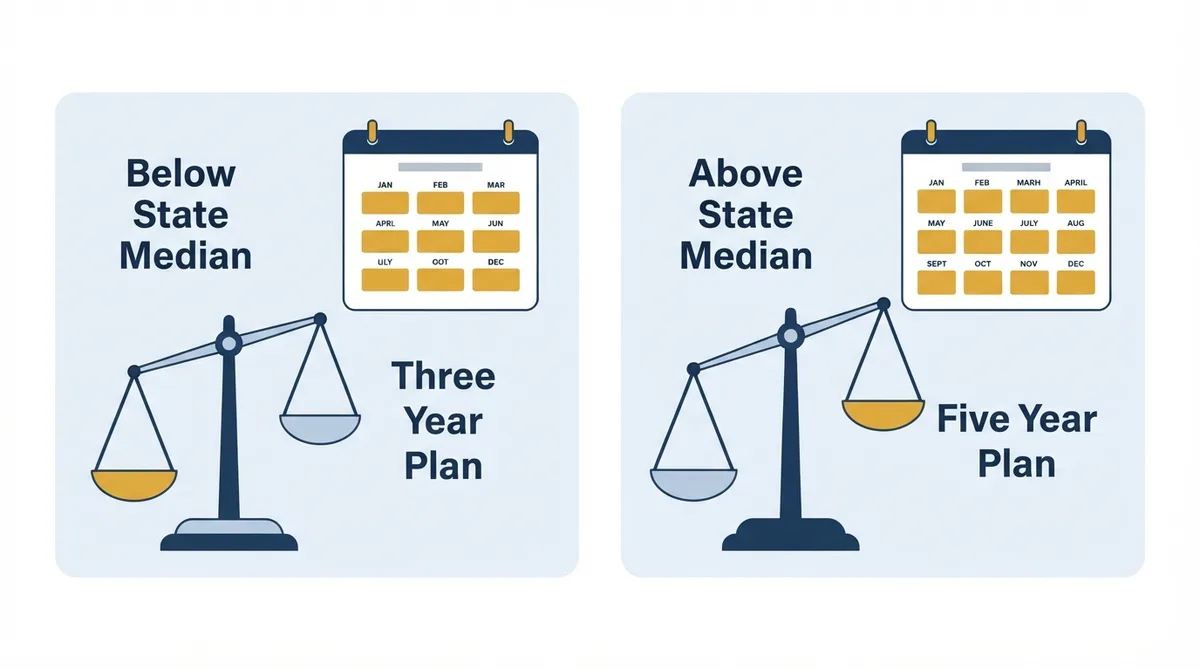
The determination of plan length is a critical step in the bankruptcy process, designed to ensure that debtors commit an appropriate portion of their disposable income to debt repayment. The court evaluates the debtor's income against the state median to establish a fair timeline. This calculation balances the debtor's living expenses with the rights of the creditors. The length of the proposed repayment plan is strictly determined by the debtor's household income relative to state standards:
- Below Median Income Plan - Debtors whose current monthly income falls below the applicable state median are assigned a three-year plan duration.
- Above Median Income Plan - Debtors whose current monthly income exceeds the applicable state median must propose a five-year repayment plan.
- For Cause Extension - Debtors with below-median income may request a longer plan period, up to a maximum of five years, if the court finds cause to approve the extension.
Legal Protections and the Automatic Stay
The immediate relief provided by the bankruptcy filing is one of its most significant benefits. It halts all active collection actions, allowing the debtor to address their financial situation in a controlled environment. This legal shield remains in place throughout the duration of the repayment plan, provided the debtor complies with all court-ordered payments. Filing a petition triggers immediate legal safeguards that protect the debtor from active collection efforts:
- Automatic Stay Protection - Creditors are legally prohibited from initiating or continuing lawsuits, wage garnishments, or direct contact with the debtor (11 U.S.C. § 362).
- Foreclosure Halt - Homeowners can stop foreclosure proceedings and cure delinquent mortgage payments over the life of the repayment plan.
- Co-Debtor Stay Protection - Protection extends to consumer debts involving co-signers, preventing creditors from pursuing the co-debtor during the active plan period (11 U.S.C. § 1301).
How to Fill Out a Chapter 13 Bankruptcy
Complete the official bankruptcy forms accurately to initiate the restructuring process:
- Gather financial disclosures - Collect all records of monthly income, living expenses, secured and unsecured debts, tax returns, and asset valuations.
- Complete the voluntary petition - Fill out the official Form 101 with personal identifying details, address, and an estimate of assets and liabilities.

- Disclose all schedules - Detail all real property, personal property, executory contracts, and co-debtors on the designated bankruptcy schedules.
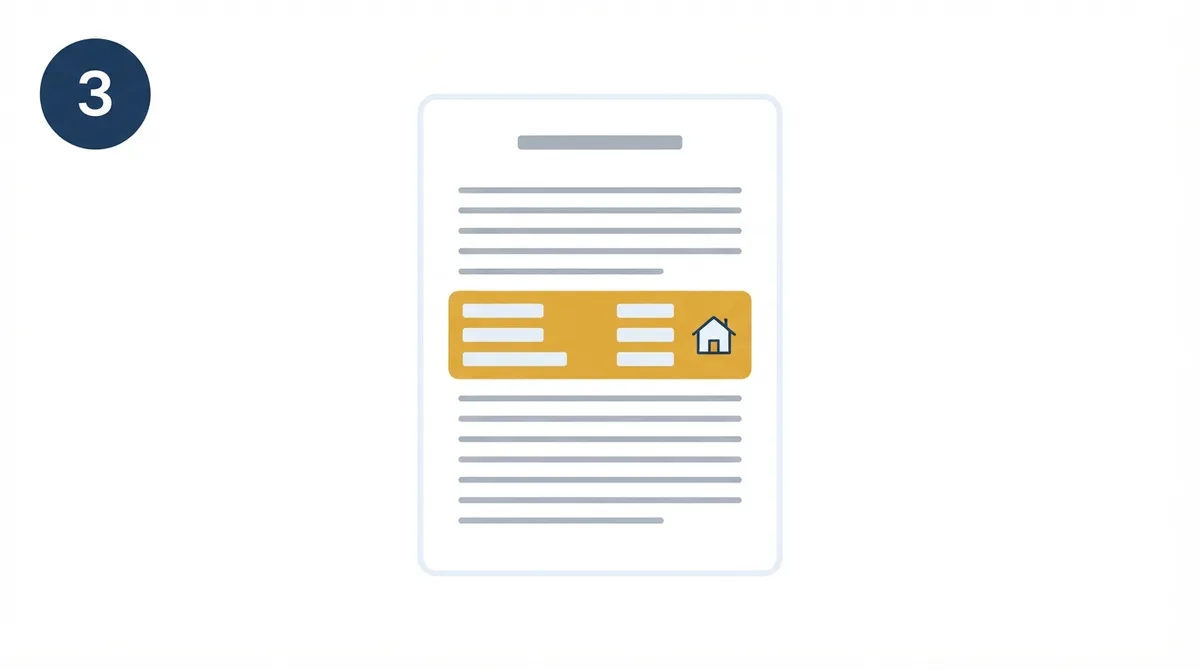
- Draft the repayment plan - Outline the specific monthly payment amount, the proposed distribution to each creditor class, and the plan duration.

- Submit the credit counseling certificate - Attach the official certificate showing completion of the mandatory counseling course within the past 180 days.
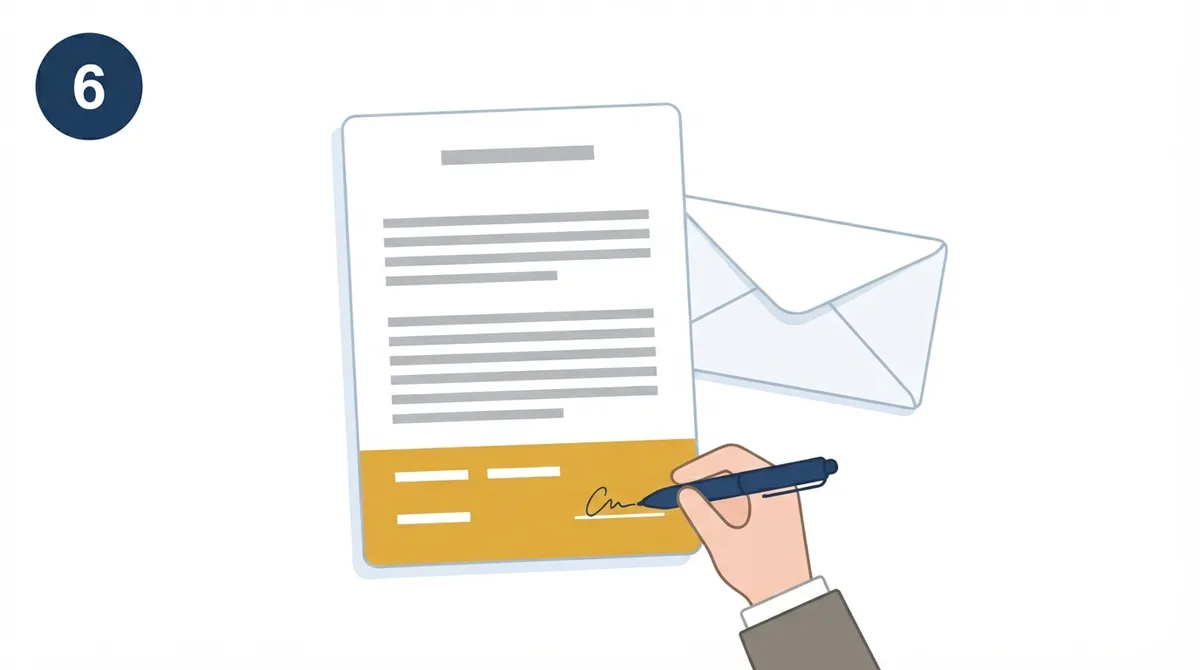
- Sign and file the petition - Execute the signature pages under penalty of perjury and submit the completed package to the bankruptcy court clerk with the filing fee.
Frequently Asked Questions
Sources
- Chapter 13 - Bankruptcy Basics - Provides an overview of Chapter 13 bankruptcy, including eligibility, advantages, and how it works.
- Chapter 13 | Eastern District of Virginia | United States Bankruptcy Court - Details the Chapter 13 process, including filing fees, credit counseling requirements, and debtor education.
- Chapter 13 Bankruptcy Petition Package | District of Utah | United States Bankruptcy Court - Provides information on the Chapter 13 bankruptcy petition package, including filing instructions and fee options.
Not the form you're looking for?
Try our legal document generator to create a custom document
Disclaimer: The templates available on this website are provided for general informational purposes only and do not constitute legal advice. They are not intended to be, and should not be interpreted as, compliant with any specific legal, regulatory, or privacy requirements. These templates are not a replacement for professional legal guidance and should not be relied upon for any particular matter or circumstance. Users are strongly encouraged to seek advice from a qualified attorney licensed in their jurisdiction before using, modifying, or relying on any template.
All templates are provided on an "as is," "with all faults," and "as available" basis. The provider disclaims any and all warranties of any kind, whether express, implied, statutory, or otherwise, including without limitation warranties of merchantability, fitness for a particular purpose, title, or non-infringement.
LegalTemplates.com makes no guarantees or representations regarding the accuracy, completeness, expected outcomes, or reliability of the materials contained in these templates or any materials referenced or linked from them.