Non Renewal of Lease Letter
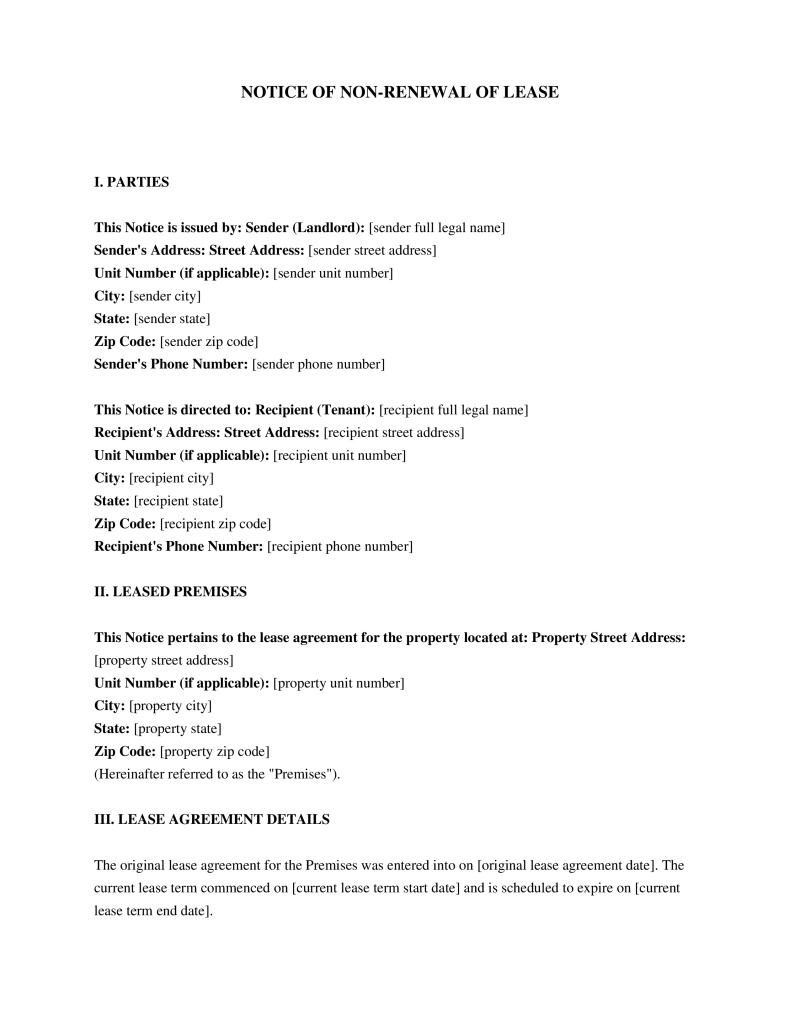
A Non Renewal of Lease Letter is a formal written communication issued by either a landlord or a tenant to signify an intent not to extend an existing lease agreement beyond its stipulated term.
Sender Role
Select whether the notice is being sent by the Landlord/Property Manager or by the Tenant.
Table of Contents
What is a Non Renewal of Lease Letter?
A Non Renewal of Lease Letter is a formal written notice from either a landlord to a tenant, or a tenant to a landlord, indicating that the current lease agreement will not be extended beyond its specified end date. The primary purpose of this document is to formally communicate the intent to terminate the tenancy at the conclusion of the existing lease term, preventing an automatic renewal if the lease contains such provisions or simply clarifying the end of the agreement. It serves as a crucial communication to ensure both parties are aware of the impending termination of the rental relationship.
Purpose and Function of the Letter
The Non Renewal of Lease Letter functions as a formal declaration of intent, providing clarity and legal standing regarding the termination of a tenancy. It is essential for managing expectations and facilitating a smooth transition for both parties involved in a rental agreement. By issuing this letter, either the landlord or the tenant fulfills their contractual or legal obligation to provide adequate notice before a lease expires.
For landlords, the letter allows them to regain possession of the property, perhaps for personal use, renovation, or to lease to a new tenant under different terms. For tenants, it provides an opportunity to plan their move, secure new housing, and avoid obligations under a renewed lease. Failure to provide proper notice can lead to various legal and financial consequences, including holdover tenancy or unintended lease extensions, depending on the terms of the lease and local jurisdiction.
Types of Non Renewal Letters
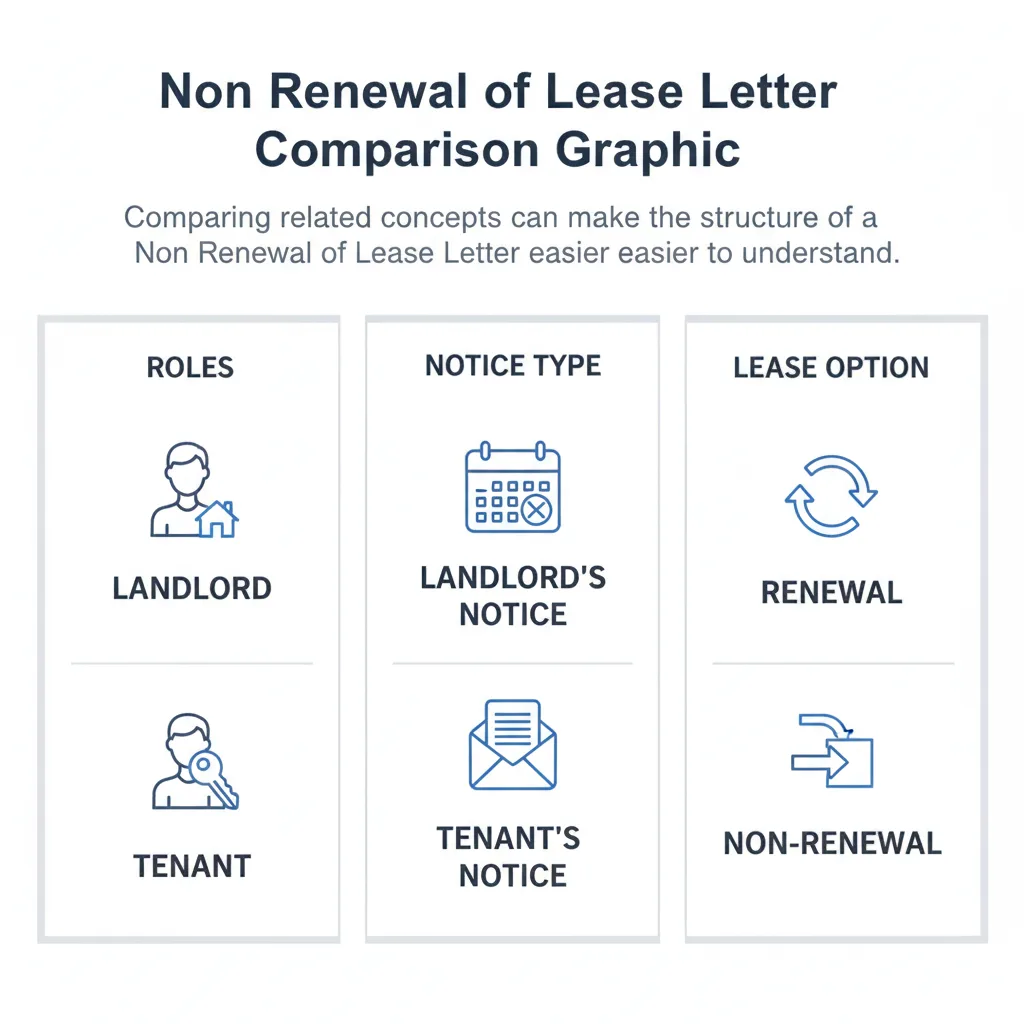
Non Renewal of Lease Letters are typically categorized by the party initiating the notice:
- Landlord-Initiated Non Renewal Letter - This document is issued by a landlord to a tenant, informing them that the landlord does not intend to renew their current lease agreement once it expires. This allows the landlord to terminate the tenancy and regain possession of the property. Landlords are generally required to provide this notice within a specific timeframe as stipulated by the lease agreement or local law (Illinois Courts).
- Tenant-Initiated Non Renewal Letter - This document is sent by a tenant to their landlord, indicating the tenant's decision not to renew their lease agreement upon its expiration. This enables the tenant to vacate the property at the end of their lease term without incurring further rental obligations. Tenants should consult their lease agreement for specific notice requirements before notifying landlords of non-renewal intentions (Salt Lake City Housing Stability Division).
Key Information Included in the Letter
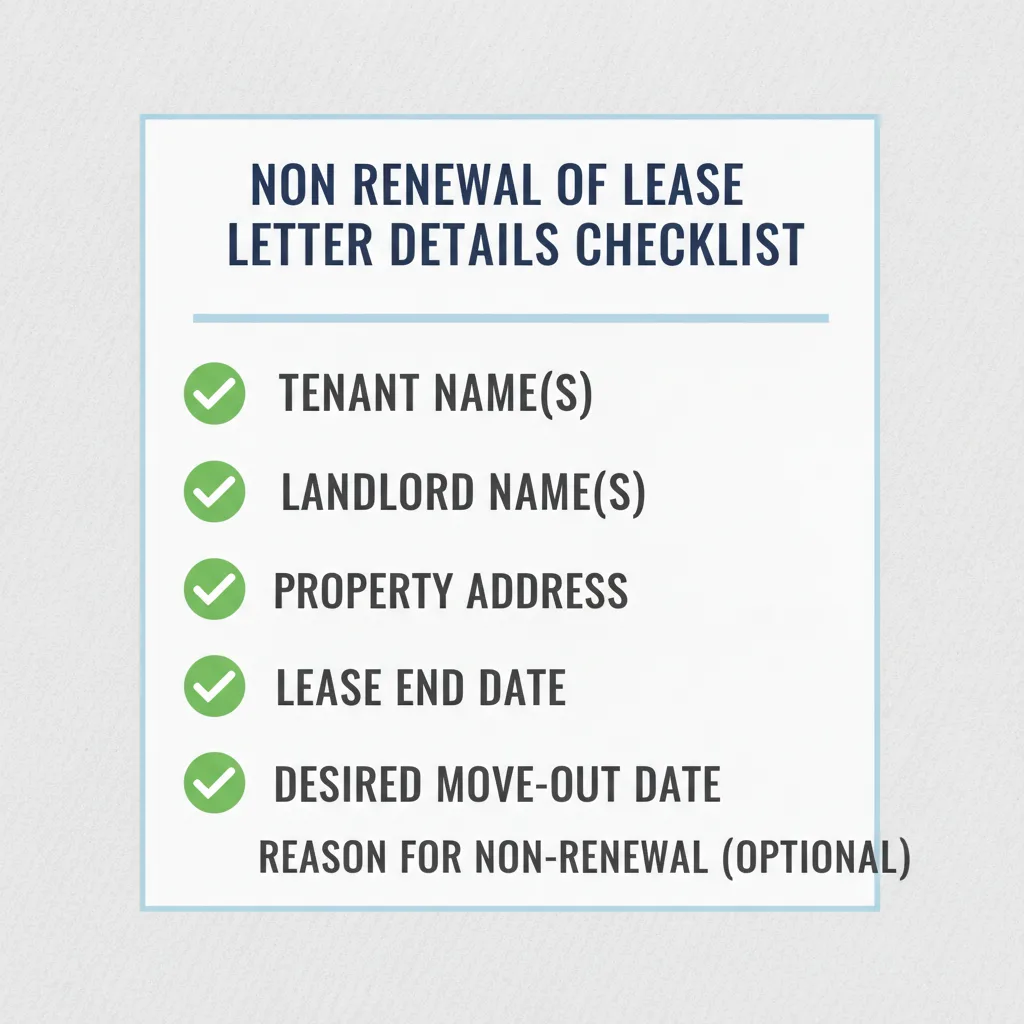
Regardless of whether the landlord or tenant initiates the non-renewal, the letter typically includes several critical pieces of information to ensure clarity and legal validity:
- Date of Notice - The exact date the letter is written and sent.
- Parties Involved - Full legal names and contact information for both the landlord (or property manager) and the tenant(s).
- Property Address - The complete address of the rental unit subject to the lease.
- Lease Agreement Details - Reference to the specific lease agreement, often including the start date and the original end date of the current term.
- Effective Date of Non-Renewal - A clear statement that the lease will not be renewed and will terminate on its scheduled end date.
- Date of Vacancy - The specific date by which the tenant is expected to vacate the premises.
- Reason for Non-Renewal (Optional) - While not always legally required, some letters may include a brief, non-discriminatory reason for the non-renewal.
- Move-Out Instructions - Information regarding move-out procedures, final inspections, and security deposit return processes.
Notice Period Requirements
The timeframe within which a Non Renewal of Lease Letter must be delivered is a critical aspect, governed by the lease agreement itself and applicable local, state, or federal laws. Adhering to these notice periods is essential for the letter to be legally effective and to avoid complications such as holdover tenancy:
- Lease Agreement Stipulations - The lease agreement often specifies the exact number of days or months of notice required from either party. Tenants should always check their lease agreements for specific notice requirements (Salt Lake City Housing Stability Division).
- Local and State Laws - Many jurisdictions have statutory minimum notice periods, which can range from 30 to 90 days or more, depending on the lease term (e.g., month-to-month versus annual lease) and local regulations. For instance, some official forms are commonly referred to as a '30-Day Notice,' but the lease or local law may require a longer period (Illinois Courts). Landlords must serve this notice at least 30 days before the end of the lease to provide tenants time to move out (Illinois Courts).
- Interaction of Lease and Law - If the lease agreement specifies a shorter notice period than required by law, the law typically takes precedence. Conversely, if the lease requires a longer notice period than the minimum statutory requirement, the lease's terms may apply.
Delivery Methods
Proper delivery of a Non Renewal of Lease Letter is crucial to prove that the notice was given and received by the appropriate party. Several methods are commonly recommended to ensure documented receipt:
- Certified Mail with Return Receipt - This method provides a mailing receipt and a signature confirmation upon delivery, offering strong proof of service.
- Hand Delivery with Signature - Delivering the letter in person and obtaining the recipient's signature and date of receipt on a copy of the letter provides immediate proof of service. It's recommended to hand deliver it and get a signature to confirm receipt (Salt Lake City Housing Stability Division).
- First-Class Mail (with proof of mailing) - While less secure than certified mail, sending via first-class mail with a certificate of mailing can provide some evidence of sending. It is often recommended to send the notice by both regular and certified mail (Salt Lake City Housing Stability Division).
- Email or Electronic Means - Some modern lease agreements may allow for electronic notification, but only if explicitly permitted and if the method provides a verifiable record of delivery and receipt.
It is generally advisable to use a method that provides tangible proof of delivery and to retain copies of the notice and any delivery confirmations for personal records.
Frequently Asked Questions
What is a Non Renewal of Lease Letter?
A Non Renewal of Lease Letter is a formal written notice from either a landlord to a tenant, or a tenant to a landlord, indicating that the current lease agreement will not be extended beyond its specified end date. The primary purpose of this document is to formally communicate the intent to terminate the tenancy at the conclusion of the existing lease term, preventing an automatic renewal if the lease contains such provisions or simply clarifying the end of the agreement. It serves as a crucial communication to ensure both parties are aware of the impending termination of the rental relationship.
Purpose and Function of the Letter
The Non Renewal of Lease Letter functions as a formal declaration of intent, providing clarity and legal standing regarding the termination of a tenancy. It is essential for managing expectations and facilitating a smooth transition for both parties involved in a rental agreement. By issuing this letter, either the landlord or the tenant fulfills their contractual or legal obligation to provide adequate notice before a lease expires.
For landlords, the letter allows them to regain possession of the property, perhaps for personal use, renovation, or to lease to a new tenant under different terms. For tenants, it provides an opportunity to plan their move, secure new housing, and avoid obligations under a renewed lease. Failure to provide proper notice can lead to various legal and financial consequences, including holdover tenancy or unintended lease extensions, depending on the terms of the lease and local jurisdiction.
Types of Non Renewal Letters
Non Renewal of Lease Letters are typically categorized by the party initiating the notice:
- Landlord-Initiated Non Renewal Letter - This document is issued by a landlord to a tenant, informing them that the landlord does not intend to renew their current lease agreement once it expires. This allows the landlord to terminate the tenancy and regain possession of the property. Landlords are generally required to provide this notice within a specific timeframe as stipulated by the lease agreement or local law (Illinois Courts).
- Tenant-Initiated Non Renewal Letter - This document is sent by a tenant to their landlord, indicating the tenant's decision not to renew their lease agreement upon its expiration. This enables the tenant to vacate the property at the end of their lease term without incurring further rental obligations. Tenants should consult their lease agreement for specific notice requirements before notifying landlords of non-renewal intentions (Salt Lake City Housing Stability Division).
Key Information Included in the Letter
Regardless of whether the landlord or tenant initiates the non-renewal, the letter typically includes several critical pieces of information to ensure clarity and legal validity:
- Date of Notice - The exact date the letter is written and sent.
- Parties Involved - Full legal names and contact information for both the landlord (or property manager) and the tenant(s).
- Property Address - The complete address of the rental unit subject to the lease.
- Lease Agreement Details - Reference to the specific lease agreement, often including the start date and the original end date of the current term.
- Effective Date of Non-Renewal - A clear statement that the lease will not be renewed and will terminate on its scheduled end date.
- Date of Vacancy - The specific date by which the tenant is expected to vacate the premises.
- Reason for Non-Renewal (Optional) - While not always legally required, some letters may include a brief, non-discriminatory reason for the non-renewal.
- Move-Out Instructions - Information regarding move-out procedures, final inspections, and security deposit return processes.
Notice Period Requirements
The timeframe within which a Non Renewal of Lease Letter must be delivered is a critical aspect, governed by the lease agreement itself and applicable local, state, or federal laws. Adhering to these notice periods is essential for the letter to be legally effective and to avoid complications such as holdover tenancy:
- Lease Agreement Stipulations - The lease agreement often specifies the exact number of days or months of notice required from either party. Tenants should always check their lease agreements for specific notice requirements (Salt Lake City Housing Stability Division).
- Local and State Laws - Many jurisdictions have statutory minimum notice periods, which can range from 30 to 90 days or more, depending on the lease term (e.g., month-to-month versus annual lease) and local regulations. For instance, some official forms are commonly referred to as a '30-Day Notice,' but the lease or local law may require a longer period (Illinois Courts). Landlords must serve this notice at least 30 days before the end of the lease to provide tenants time to move out (Illinois Courts).
- Interaction of Lease and Law - If the lease agreement specifies a shorter notice period than required by law, the law typically takes precedence. Conversely, if the lease requires a longer notice period than the minimum statutory requirement, the lease's terms may apply.
Delivery Methods
Proper delivery of a Non Renewal of Lease Letter is crucial to prove that the notice was given and received by the appropriate party. Several methods are commonly recommended to ensure documented receipt:
- Certified Mail with Return Receipt - This method provides a mailing receipt and a signature confirmation upon delivery, offering strong proof of service.
- Hand Delivery with Signature - Delivering the letter in person and obtaining the recipient's signature and date of receipt on a copy of the letter provides immediate proof of service. It's recommended to hand deliver it and get a signature to confirm receipt (Salt Lake City Housing Stability Division).
- First-Class Mail (with proof of mailing) - While less secure than certified mail, sending via first-class mail with a certificate of mailing can provide some evidence of sending. It is often recommended to send the notice by both regular and certified mail (Salt Lake City Housing Stability Division).
- Email or Electronic Means - Some modern lease agreements may allow for electronic notification, but only if explicitly permitted and if the method provides a verifiable record of delivery and receipt.
It is generally advisable to use a method that provides tangible proof of delivery and to retain copies of the notice and any delivery confirmations for personal records.
Frequently Asked Questions
[faq id="faq-1" question="What happens if a tenant does not send a non-renewal letter?"]If a tenant does not send a non-renewal letter and the lease does not specify otherwise, the lease might automatically convert to a month-to-month tenancy or renew for another term, depending on the lease terms and local laws. This could obligate the tenant to continue paying rent beyond their intended move-out date.
Sources
- Instructions on a Notice of Intent Not to Renew Your Lease - Provides a template and instructions for tenants to notify landlords of their intent not to renew a lease, including details on notice periods and delivery methods.
- Notice of Non-Renewal of Lease or Termination of Tenancy - An official form approved by the Illinois Supreme Court for landlords to notify tenants of non-renewal or termination of tenancy, including instructions and required information.
Not the form you're looking for?
Try our legal document generator to create a custom document
Disclaimer: The templates available on this website are provided for general informational purposes only and do not constitute legal advice. They are not intended to be, and should not be interpreted as, compliant with any specific legal, regulatory, or privacy requirements. These templates are not a replacement for professional legal guidance and should not be relied upon for any particular matter or circumstance. Users are strongly encouraged to seek advice from a qualified attorney licensed in their jurisdiction before using, modifying, or relying on any template.
All templates are provided on an "as is," "with all faults," and "as available" basis. The provider disclaims any and all warranties of any kind, whether express, implied, statutory, or otherwise, including without limitation warranties of merchantability, fitness for a particular purpose, title, or non-infringement.
LegalTemplates.com makes no guarantees or representations regarding the accuracy, completeness, expected outcomes, or reliability of the materials contained in these templates or any materials referenced or linked from them.