Reference List
A Reference List is a formal compilation of names and contact details for individuals or entities mentioned or cited within a principal legal document.
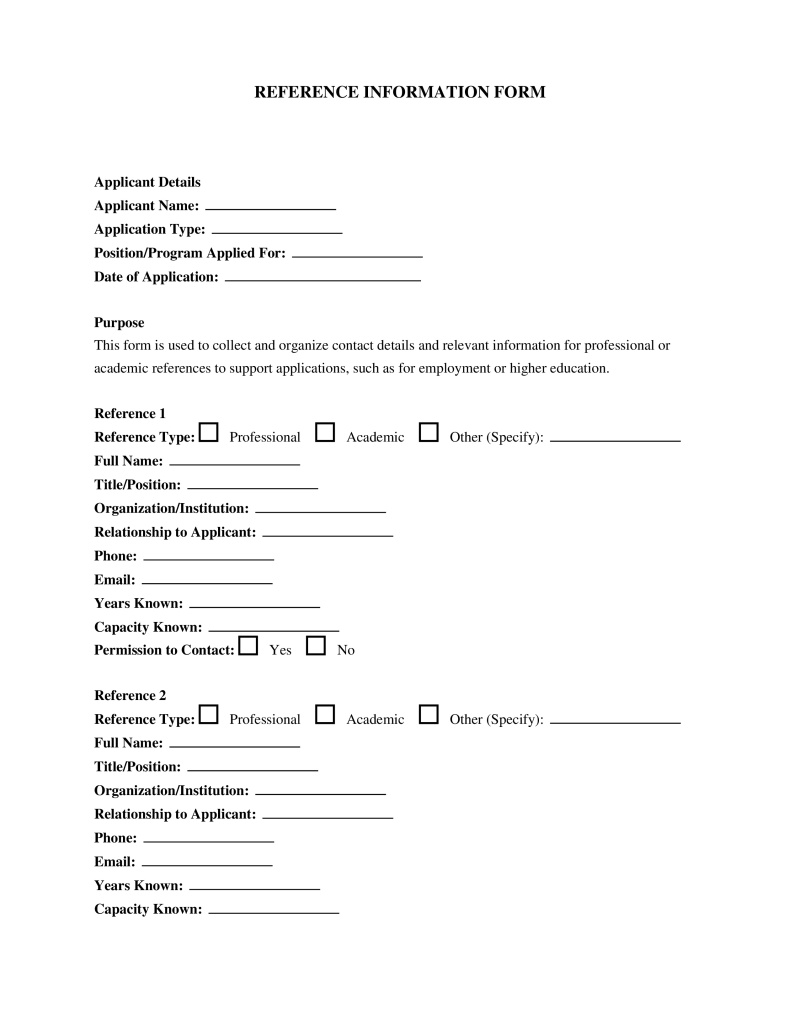
Reference Purpose
Select the primary reason you are submitting references. This helps tailor the information collected for your application.
If you selected 'Other', briefly explain the purpose.
Table of Contents
What is a Reference List?
A reference list is a compilation of information pertaining to individuals or entities that can provide insight or verification regarding a subject, applicant, or document. Its primary purpose is to offer contact details or identifiers for verification, background checks, or to maintain confidentiality in legal proceedings. While its specific content and application vary significantly depending on its context, it generally serves as a crucial tool for substantiating claims or managing sensitive data.
Role in Legal Contexts: The Confidential Reference List of Identifiers (Form MC-120)
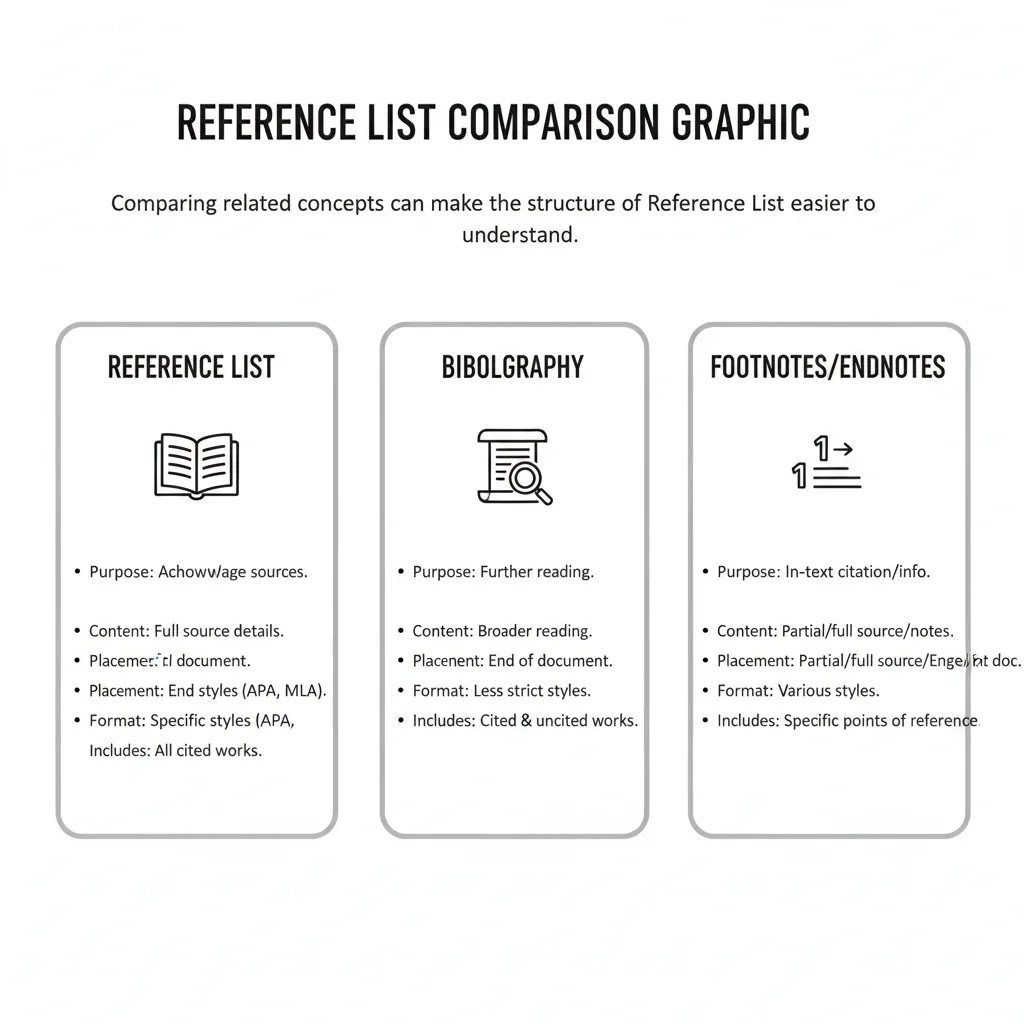
In legal proceedings, a specialized form of reference list, known as the Confidential Reference List of Identifiers (Form MC-120), plays a critical role in managing sensitive personal information. This form is published by the Judicial Council of California as part of its list of mandatory and optional legal forms. Its use is specifically designed to protect privacy while still allowing for necessary administrative processes within the court system.
The primary function of Form MC-120 is to confidentially list personal identifiers that have been redacted from other court documents. This allows the court to reference the original, unredacted information without making it publicly accessible within the main case file. The form ensures that sensitive data, such as Social Security numbers, financial account numbers, or dates of birth, are not openly disclosed.
Key aspects of the Confidential Reference List of Identifiers include:
- Purpose - Used to confidentially list redacted personal identifiers in court documents (Confidential Reference List of Identifiers (Form MC-120)).
- Content - Specifies each redacted identifier and provides a corresponding reference for each, linking the redacted information to its original form (Confidential Reference List of Identifiers (Form MC-120)).
- Authority - Included in the Judicial Council of California's official list of legal forms, indicating its standardized use in state courts (Judicial Council Legal Forms List).
- Confidentiality - Designed to be filed confidentially, ensuring that sensitive personal data remains protected from public view.
Reference Lists in Professional Applications
Beyond legal contexts, reference lists are commonly used in professional and academic applications, such as for internships or employment. In these scenarios, an applicant provides contact information for individuals who can speak to their qualifications, work ethic, and character. This allows potential employers or institutions to gain a more comprehensive understanding of the applicant beyond what is presented in a resume or cover letter.
For instance, an Intern Reference List form is used by applicants to list references during the internship application process. This ensures that the organization has the necessary contacts to verify information or gather additional insights. Applicants are typically instructed to provide references who are not already listed in the employment section of their application, such as supervisors from previous jobs, to offer diverse perspectives.
Common elements requested for professional references often include:
- Reference's Full Name - The complete name of the individual providing the reference.
- Professional Title - The reference's current job title or position.
- Organization/Company - The name of the organization where the reference is employed.
- Relationship to Applicant - A brief description of how the reference knows the applicant (e.g., former supervisor, professor, mentor).
- Contact Information - Essential details such as phone number and email address for communication.
Key Information Typically Included
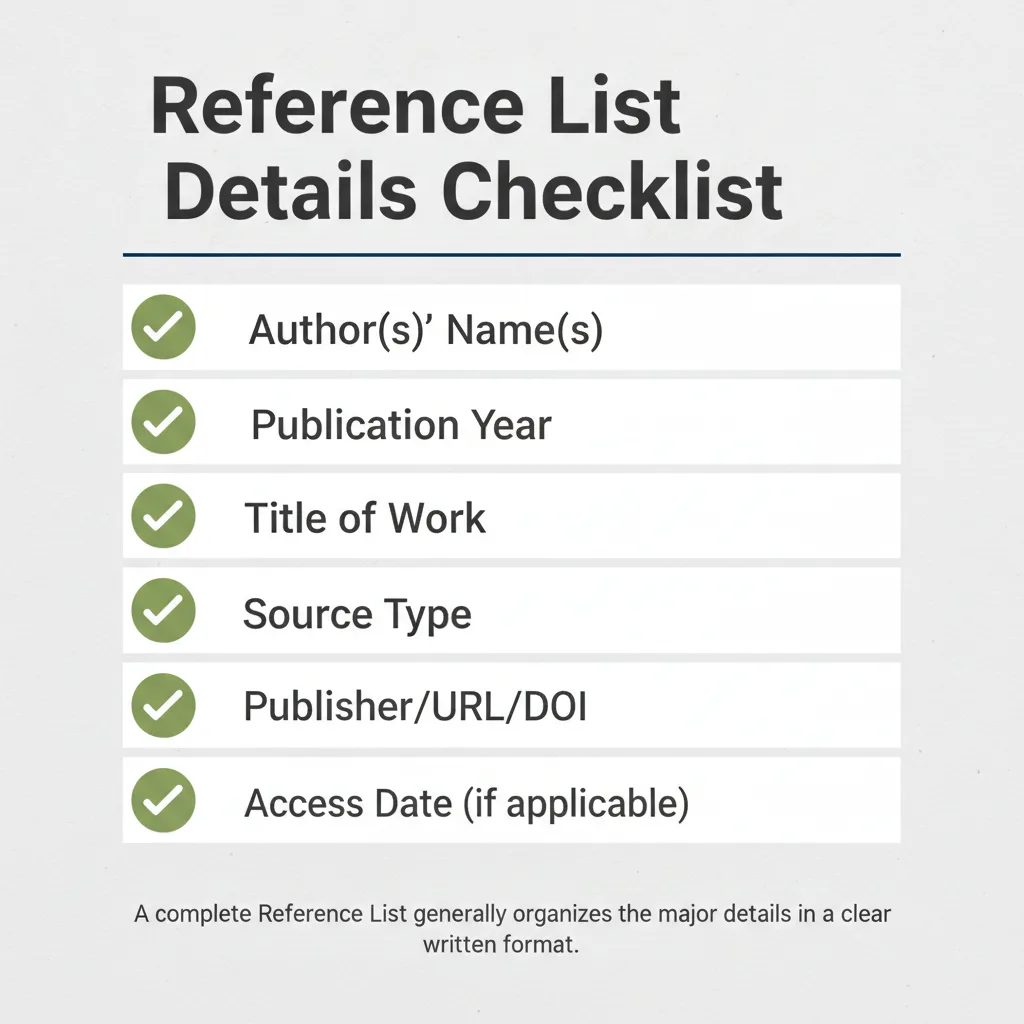
While the specific content of a reference list varies based on its purpose, certain types of information are generally requested or provided. For legal forms like the Confidential Reference List of Identifiers (Form MC-120), the focus is on linking redacted information to its original, full form. For professional applications, the emphasis is on contact details and relationship context.
Across both contexts, the core principle is to provide clear, accurate, and actionable information. In legal settings, this means precise identification of redacted data. In professional settings, it means providing reliable contacts who can offer relevant insights.
Frequently Asked Questions
Sources
- Judicial Council Legal Forms List - Provides a list of mandatory and optional Judicial Council legal forms, including the Confidential Reference List of Identifiers (Form MC-120).
- Confidential Reference List of Identifiers (Form MC-120) - Details the use of Form MC-120 for confidentially listing redacted personal identifiers in court documents.
- Intern Reference List Form - Provides a template for interns to list references during the application process.
Not the form you're looking for?
Try our legal document generator to create a custom document
Disclaimer: The templates available on this website are provided for general informational purposes only and do not constitute legal advice. They are not intended to be, and should not be interpreted as, compliant with any specific legal, regulatory, or privacy requirements. These templates are not a replacement for professional legal guidance and should not be relied upon for any particular matter or circumstance. Users are strongly encouraged to seek advice from a qualified attorney licensed in their jurisdiction before using, modifying, or relying on any template.
All templates are provided on an "as is," "with all faults," and "as available" basis. The provider disclaims any and all warranties of any kind, whether express, implied, statutory, or otherwise, including without limitation warranties of merchantability, fitness for a particular purpose, title, or non-infringement.
LegalTemplates.com makes no guarantees or representations regarding the accuracy, completeness, expected outcomes, or reliability of the materials contained in these templates or any materials referenced or linked from them.