Grandparent Medical Consent Form
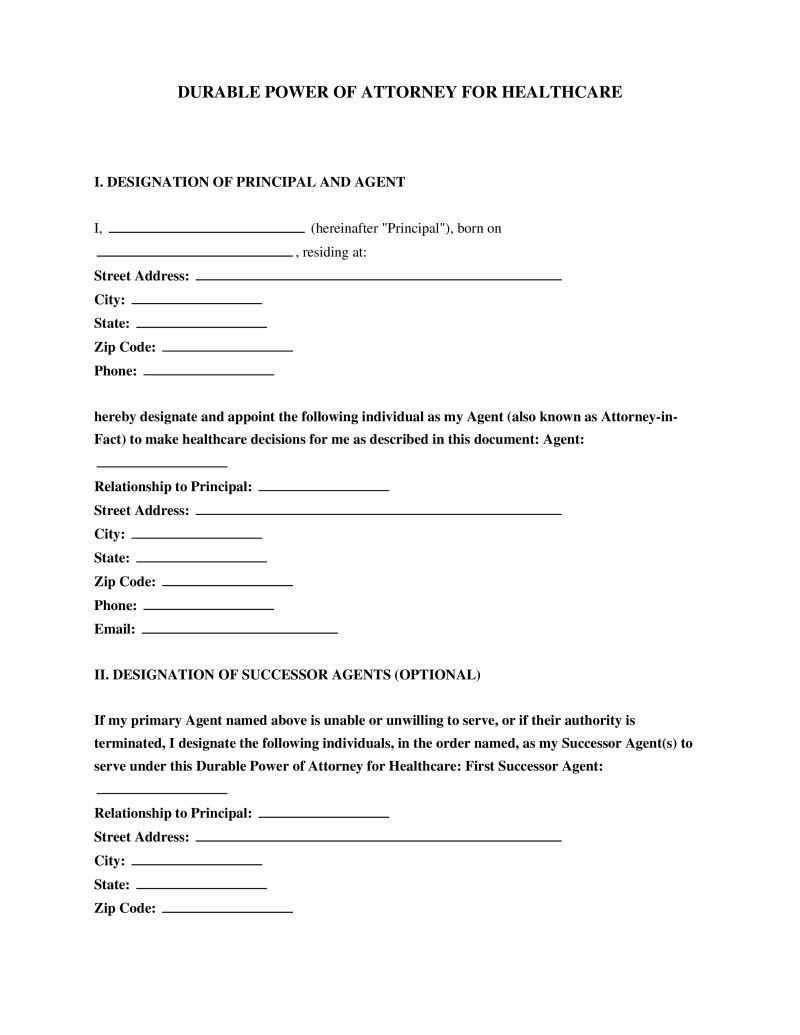
A Grandparent Medical Consent Form is a legal document that grants temporary authority to a grandparent to make medical decisions for a minor child when a parent is unavailable or has delegated care.
Agent Relationship
Select the relationship of the primary agent to the grandparent (e.g., child, grandchild, friend).
If you selected 'Other', specify the relationship here.
Table of Contents
What is a Grandparent Medical Consent Form?
A Grandparent Medical Consent Form is a legal document that grants temporary authority to a grandparent or other designated caregiver to make medical decisions for a minor child when the child's parents are unavailable. Its primary purpose is to ensure that children can receive necessary medical treatment, including routine care, emergency procedures, and medication administration, without delay when under the care of a grandparent. This form is crucial for grandparents who frequently care for their grandchildren, allowing them to act swiftly in healthcare situations that might otherwise require parental presence or express consent.
Legal Requirements and Validity
The legal validity of a Grandparent Medical Consent Form hinges on several key elements, which often vary by jurisdiction but share common principles. For the form to be legally effective, it must clearly articulate the scope of authority granted and be properly executed. Many states recognize such forms under specific statutes or through common law principles related to the care of minors.
To ensure enforceability, the form typically requires the explicit consent of the child's legal parents or guardians. Without parental consent, the document may not be recognized by healthcare providers, except in dire emergencies where implied consent or Good Samaritan laws might apply. Proper execution often involves notarization or witness signatures to attest to the authenticity of the parents' signatures, adding a layer of legal protection and reducing potential disputes.
Key considerations for the validity and enforceability of the Grandparent Medical Consent Form include:
- Parental Consent - The form must be signed by the child's legal parents or guardians, indicating their explicit authorization for the grandparent to make medical decisions (Varies by state statute).
- Notarization or Witnessing - Many jurisdictions recommend or require notarization of the parents' signatures to verify their identity and intent (Varies by state statute). Witness signatures can also serve a similar purpose.
- Specificity of Authority - The document should clearly define the types of medical decisions the grandparent is authorized to make, whether it covers routine care, emergency treatment, or specific procedures.
- Duration of Authority - A clear start and end date for the consent period must be specified, ensuring the authority is temporary and time-limited.
- Child Identification - Accurate identification of the child, including their full legal name, date of birth, and any known medical conditions or allergies, is essential.
Required Elements
For a Grandparent Medical Consent Form to be considered valid and effective by healthcare providers and legal authorities, it must contain specific information and disclosures. These elements ensure clarity, proper identification, and the necessary legal authorization.
- Patient's Full Legal Name and Date of Birth - Complete and accurate identification of the minor child.
- Parent(s) or Legal Guardian(s) Full Legal Names and Contact Information - Identification of the individuals granting consent, including phone numbers and email addresses.
- Grandparent(s) or Designated Caregiver's Full Legal Names and Contact Information - Identification of the individual(s) authorized to make decisions, including phone numbers and email addresses.
- Scope of Authority Granted - A clear description of the types of medical care the grandparent is authorized to consent to (e.g., routine check-ups, emergency treatment, administration of medication).
- Duration of Consent - The specific start and end dates during which the consent is valid.
- Relevant Medical Information - Disclosure of the child's known allergies, pre-existing medical conditions, current medications, and any healthcare providers they regularly see.
- Insurance Information - Details of the child's health insurance policy, including the provider name, policy number, and group number.
- Signature and Date of Parent(s) or Legal Guardian(s) - Required signatures to indicate consent.
- Notary Public Signature and Seal (if required or recommended) - Acknowledgment by a notary public to verify the authenticity of the signatures.
How to Complete
Completing a Grandparent Medical Consent Form involves several steps to ensure its accuracy, completeness, and legal validity. Following these steps carefully helps prevent delays in medical treatment for the child.
- Obtain the Correct Form - Secure a template that complies with local state laws or is generally recognized. Many legal aid websites, state government health departments, or online legal service providers offer downloadable forms. Ensure the form is comprehensive enough to cover various medical scenarios.
- Provide Child's Personal Information - Accurately fill in the child's full legal name, date of birth, and any other identifying details requested, such as their address. This information is critical for healthcare providers to correctly identify the patient.
- Detail Parental and Grandparent Information - Include the full legal names, addresses, and contact information for both the legal parents/guardians and the grandparent(s) or designated caregiver(s). Provide multiple contact methods for emergency situations.
- Specify the Scope and Duration of Consent - Clearly define what types of medical decisions the grandparent is authorized to make. This might include routine medical care, dental treatment, medication administration, and emergency procedures. Also, state the precise start and end dates for the consent period, ensuring it aligns with the grandparent's caregiving duration.
- Include Medical and Insurance Information - List any known allergies, chronic medical conditions, current medications, and specific healthcare providers for the child. Attach a copy of the child's health insurance card and provide policy details, including the insurer's name, policy number, and group number.
- Parental Review and Signature - The child's legal parents or guardians must thoroughly review the entire form to ensure all information is accurate and the scope of consent is understood. They must then sign and date the document in the presence of a notary public or witnesses, if required.
- Notarization or Witnessing - If notarization is required or recommended by state law, the parents must sign the document before a notary public. The notary will then affix their signature and seal, verifying the identity of the signatories. If witnesses are used, they should also sign and provide their contact information.
- Distribute Copies - Make multiple copies of the completed and signed form. The original should be kept by the grandparent. Copies should be provided to the child's primary care physician, any specialists, the child's school or daycare, and the parents. Keep a digital copy as well for easy access.
Applicable Federal and State Laws
The Grandparent Medical Consent Form operates within a framework of federal and state laws designed to protect patient privacy, ensure proper medical care for minors, and define the scope of delegated authority. While specific state statutes often govern the direct implementation of such forms, federal laws establish overarching principles.
Federal Laws
Several federal laws influence the handling of medical information and consent for minors:
- Health Insurance Portability and Accountability Act (HIPAA) - Establishes national standards for the protection of protected health information (PHI). While parents generally have the right to access their child's medical records, a Grandparent Medical Consent Form can grant the grandparent the authority to receive information and make decisions, acting as a personal representative (45 CFR § 164.508).
- Emergency Medical Treatment and Labor Act (EMTALA) - Requires hospitals that accept Medicare to provide stabilizing treatment for emergency medical conditions, regardless of a patient's ability to pay or provide consent. This ensures that a child in critical condition will receive care even without immediate consent from a parent or authorized caregiver (42 U.S.C. § 1395dd).
- Family Educational Rights and Privacy Act (FERPA) - Protects the privacy of student education records. While not directly related to medical consent, it is relevant if medical information is shared with schools, requiring parental consent for disclosure to third parties (20 U.S.C. § 1232g).
State Laws and Requirements
State laws are often more specific regarding the delegation of parental authority for medical decisions:
- Statutes Governing Delegation of Parental Authority - Many states have specific statutes that outline the conditions under which parents can delegate medical decision-making authority for their minor children to another adult, such as a grandparent (Varies by state statute).
- Minor Consent Laws - Some state laws allow minors of a certain age (e.g., "mature minors") to consent to their own medical treatment under specific circumstances, such as for reproductive health services or mental health care, which may interact with a grandparent's delegated authority (Varies by state statute).
- Emergency Treatment Provisions - State laws typically include provisions allowing healthcare providers to render emergency medical treatment to minors without parental consent if delaying treatment would jeopardize the child's health or life. This acts as a safety net if a consent form is not in place or cannot be immediately accessed.
Non-compliance with the legal requirements for a Grandparent Medical Consent Form can have significant consequences. If a form is improperly executed, lacks necessary information, or is not recognized by a healthcare provider, it may lead to delays in critical medical care for the child. In non-emergency situations, a healthcare provider may refuse to treat the child without direct parental consent. Furthermore, an unauthorized individual attempting to consent to medical treatment could face legal repercussions, including potential charges of impersonation or interference with parental rights.
Frequently Asked Questions
Not the form you're looking for?
Try our legal document generator to create a custom document
Disclaimer: The templates available on this website are provided for general informational purposes only and do not constitute legal advice. They are not intended to be, and should not be interpreted as, compliant with any specific legal, regulatory, or privacy requirements. These templates are not a replacement for professional legal guidance and should not be relied upon for any particular matter or circumstance. Users are strongly encouraged to seek advice from a qualified attorney licensed in their jurisdiction before using, modifying, or relying on any template.
All templates are provided on an "as is," "with all faults," and "as available" basis. The provider disclaims any and all warranties of any kind, whether express, implied, statutory, or otherwise, including without limitation warranties of merchantability, fitness for a particular purpose, title, or non-infringement.
LegalTemplates.com makes no guarantees or representations regarding the accuracy, completeness, expected outcomes, or reliability of the materials contained in these templates or any materials referenced or linked from them.