Property Inspection
A Property Inspection is a formal legal document meticulously detailing the physical condition of real property, identifying any observable defects, deficiencies, or potential concerns at a specific time.
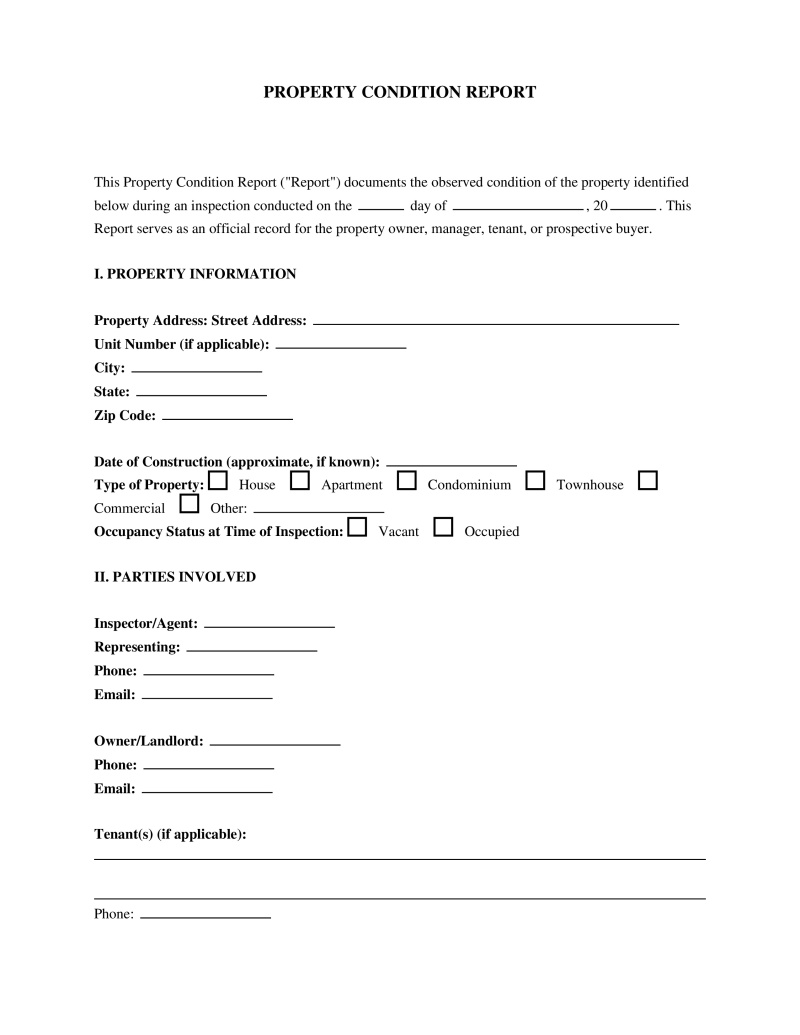
Inspection Type
Select the type of inspection being conducted from the options provided: Move-In, Move-Out, Routine/Periodic, Pre-Sale, Post-Repair, or Other. This information helps clarify the purpose of the inspection and can impact any legal agreements related to property condition or tenant rights. Be accurate, as it may affect potential disputes or responsibilities.
Provide details if 'Other' was selected.
Table of Contents
What is a Property Inspection?
A property inspection, often referred to as a home inspection, is a non-invasive visual examination of a residential or commercial property, performed by a qualified inspector. Its primary purpose is to identify significant defects, safety concerns, and potential issues within the property's readily accessible systems and components. This assessment provides prospective buyers, sellers, or current owners with an objective understanding of the property's condition, informing decisions and negotiations in real estate transactions.
Purpose and Importance of Property Inspections
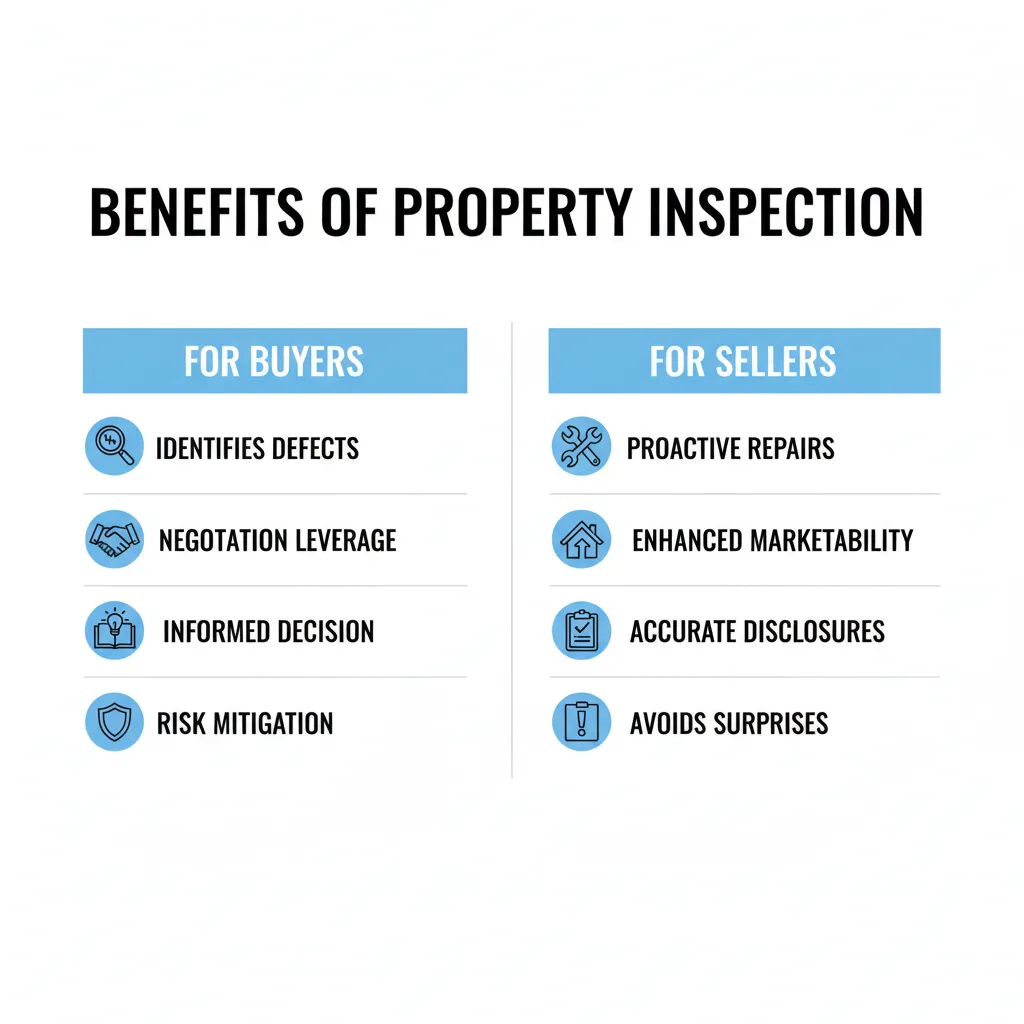
Property inspections serve several critical functions within the real estate market and for property owners. For buyers, an inspection is a crucial due diligence step, offering protection against unforeseen major repair costs after purchase. It allows them to make informed decisions, negotiate repairs, or even withdraw from a sale if significant issues are uncovered.
- Risk Mitigation for Buyers - Helps buyers understand the true condition of a property before committing, potentially saving them from costly post-purchase repairs.
- Negotiation Tool - Provides leverage for buyers to request repairs, credits, or a price reduction based on identified defects.
- Seller Disclosure Aid - Assists sellers in proactively identifying issues, allowing them to make repairs or disclose known defects, which can build buyer confidence and prevent future legal disputes.
- Maintenance Planning for Owners - Helps current property owners identify potential problems early, facilitating preventative maintenance and extending the lifespan of systems.
- Safety Assurance - Highlights safety hazards such as faulty wiring, structural concerns, or inadequate ventilation, contributing to the well-being of occupants.
Types of Property Inspections
While the general home inspection is the most common, various specialized inspections can be conducted depending on the property type, location, or specific concerns:
- Standard Home Inspection - A comprehensive visual assessment of the property's major systems and components, including the roof, foundation, HVAC, plumbing, electrical, and interior/exterior structure.
- New Construction Inspection - Performed on newly built homes, often at different phases (foundation, pre-drywall, final walkthrough) to ensure quality and adherence to building codes before significant issues become concealed.
- Pre-Listing Inspection - Commissioned by sellers before listing their property, allowing them to address issues proactively, enhance marketability, and avoid surprises during buyer inspections.
- Commercial Property Inspection - A more complex assessment for commercial buildings, often involving specialized consultants for systems like elevators, fire suppression, and intricate HVAC units, adhering to ASTM standards.
- Radon Inspection - Tests for the presence of radon gas, a naturally occurring radioactive gas that can accumulate indoors and poses health risks.
- Termite/Pest Inspection - Specifically looks for signs of wood-destroying organisms (WDOs) like termites, carpenter ants, and other pests that can cause significant structural damage.
- Mold Inspection - Identifies the presence and extent of mold growth, often involving air quality testing and moisture readings to determine the source and scope of contamination.
- Sewer Scope Inspection - Uses a camera to inspect the condition of the main sewer line from the house to the municipal connection, identifying blockages, cracks, or tree root intrusions.
- Lead-Based Paint Inspection - Determines the presence of lead-based paint, particularly in homes built before 1978, which is a significant health hazard, especially for children.
- Well Water Testing - Assesses the quality and potability of private well water, testing for contaminants like bacteria, nitrates, and heavy metals.
The Inspection Process
The typical property inspection process follows a structured approach, designed to systematically evaluate the property's condition. While minor variations may occur, the general steps remain consistent:
- Scheduling the Inspection - The buyer, often with their real estate agent, arranges for a certified inspector to examine the property within a specified contingency period.
- On-Site Examination - The inspector conducts a visual assessment of accessible areas, utilizing specialized tools like moisture meters, thermal cameras (in some cases), and electrical testers. This typically takes 2-4 hours, depending on the property's size and complexity.
- Reporting Findings - Following the inspection, the inspector compiles a detailed report that outlines findings, including descriptions of identified issues, photographic evidence, and recommendations for further evaluation or repair.
- Review and Negotiation - The buyer reviews the report with their agent, determining which issues, if any, warrant negotiation with the seller for repairs, credits, or a price adjustment.
- Follow-Up Actions - Based on negotiations, the buyer and seller agree on remedies, or the buyer may choose to withdraw from the purchase if irreconcilable differences arise or significant undisclosed issues are found.
What a Property Inspection Covers
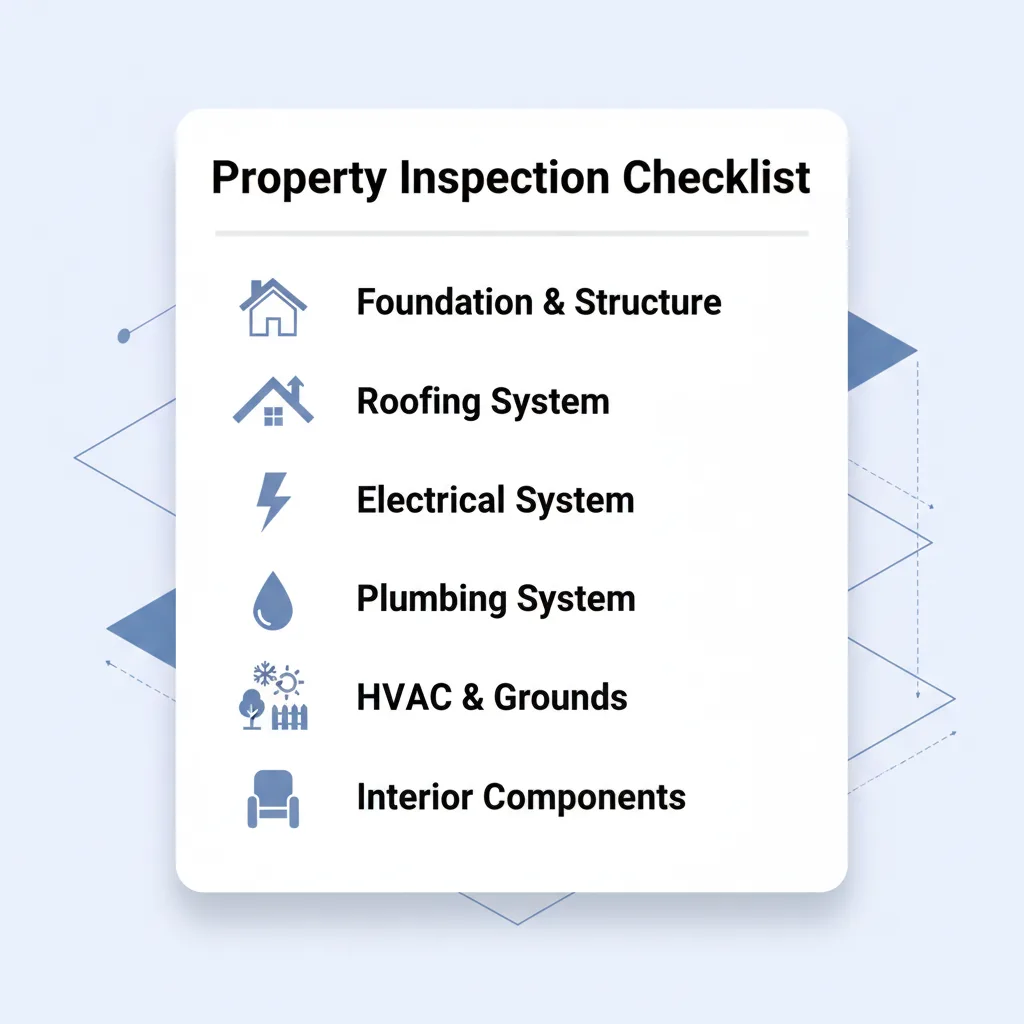
A standard property inspection typically examines the property's major readily accessible components and systems. It is a visual inspection, meaning the inspector does not move furniture, remove wall coverings, or perform destructive testing. Key areas usually covered include:
- Structural Components - Foundation, framing, walls, ceilings, floors, and roof structure.
- Exterior Elements - Siding, trim, windows, doors, driveways, walkways, decks, and grading.
- Roofing System - Roof covering materials, flashing, chimneys, gutters, and downspouts.
- Plumbing System - Water supply lines, drains, waste and vent pipes, water heater, and visible fixtures.
- Electrical System - Service entrance, main and sub-panels, wiring, outlets, switches, and visible light fixtures.
- Heating, Ventilation, and Air Conditioning (HVAC) Systems - Furnaces, air conditioners, heat pumps, ductwork, and thermostats.
- Interior Components - Walls, ceilings, floors, doors, windows, stairs, and built-in appliances.
- Insulation and Ventilation - In attics and crawl spaces, where accessible.
It is important to note that inspections typically exclude areas that are not readily accessible, cosmetic defects, or systems that are outside the scope of a general inspection, such as pools, septic systems, or detached structures.
Legal Implications and Disclosures
Property inspections hold significant legal implications for both buyers and sellers in real estate transactions. For buyers, the inspection report forms a crucial part of their due diligence, protecting them from purchasing a property with undisclosed or unknown defects. The inspection contingency in a purchase agreement typically grants the buyer the right to request repairs or terminate the contract based on the inspection findings.
For sellers, property disclosure laws in many jurisdictions mandate that they disclose known material defects about the property. While an inspection is not a substitute for these disclosures, a pre-listing inspection can help sellers identify and address issues, ensuring their disclosures are accurate and comprehensive. Failure to disclose known defects can lead to legal action against the seller after the sale is complete. Inspectors themselves typically carry errors and omissions (E&O) insurance to cover potential liabilities related to missed defects within the scope of their inspection.
Frequently Asked Questions
Not the form you're looking for?
Try our legal document generator to create a custom document
Disclaimer: The templates available on this website are provided for general informational purposes only and do not constitute legal advice. They are not intended to be, and should not be interpreted as, compliant with any specific legal, regulatory, or privacy requirements. These templates are not a replacement for professional legal guidance and should not be relied upon for any particular matter or circumstance. Users are strongly encouraged to seek advice from a qualified attorney licensed in their jurisdiction before using, modifying, or relying on any template.
All templates are provided on an "as is," "with all faults," and "as available" basis. The provider disclaims any and all warranties of any kind, whether express, implied, statutory, or otherwise, including without limitation warranties of merchantability, fitness for a particular purpose, title, or non-infringement.
LegalTemplates.com makes no guarantees or representations regarding the accuracy, completeness, expected outcomes, or reliability of the materials contained in these templates or any materials referenced or linked from them.