Affidavit
Create Affidavit
Affidavit
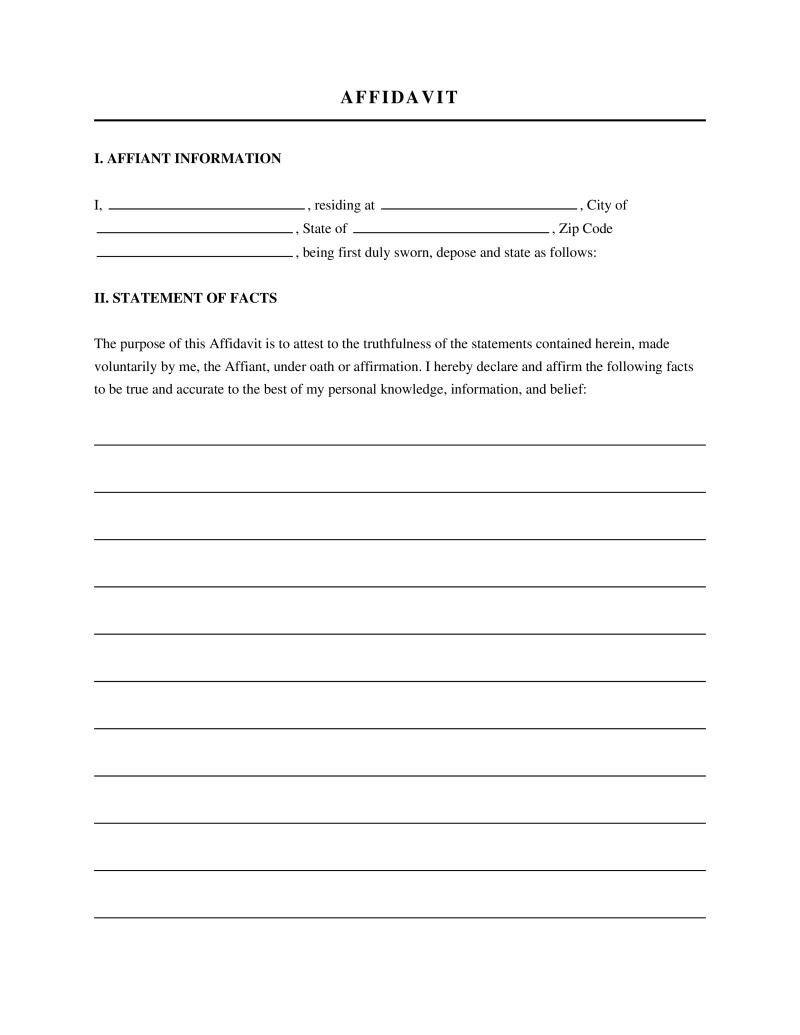
An Affidavit is a legal document containing a written declaration of facts made voluntarily under oath or affirmation before an authorized official.
Answer the question(s) below to create your Affidavit
Affidavit Type
Select the purpose or context for this affidavit. This determines what additional details may be required.
Provide a brief description of the affidavit type if you selected 'Other'.
Table of Contents
What is an Affidavit?
An affidavit is a written sworn statement of fact voluntarily made by an affiant under an oath or affirmation administered by a person authorized to do so by law. It serves as a formal declaration, often used as evidence in legal proceedings, business transactions, or administrative matters, where the truthfulness of the statement is paramount. The affiant attests to the veracity of the information contained within the document, understanding that false statements can carry severe legal consequences. This document provides a reliable record of a person's testimony or factual claims outside of a courtroom setting.
Required Elements of a Valid Affidavit
For an affidavit to be legally sound and admissible, it must contain several essential components, ensuring its authenticity and the affiant's commitment to truthfulness:
- Title and Venue - Clearly identifies the document as an affidavit and specifies the geographical location (state and county) where it was sworn.
- Affiant's Identification - Full legal name, address, and sometimes other identifying details of the person making the sworn statement.
- Statement of Personal Knowledge - A declaration by the affiant that the facts presented are based on their direct personal knowledge, belief, or information.
- Substantive Factual Statements - A clear, concise, and logically organized presentation of the facts the affiant is attesting to. These statements should be relevant to the purpose of the affidavit.
- Oath or Affirmation Clause - A formal declaration that the affiant is swearing to the truthfulness of the contents under penalty of perjury.
- Affiant's Signature - The handwritten signature of the affiant, executed in the presence of the authorized official.
- Jurat/Notary Acknowledgment - A certificate signed by the notary public or other authorized official, attesting that the affiant appeared before them, was identified, and swore or affirmed to the truth of the statements. This includes the official's signature, seal, and commission expiration date.
The Role of the Affiant and Notary
The creation of a valid affidavit relies heavily on the distinct roles and obligations of two primary parties: the affiant and the notary public or other authorized officer. Each plays a critical part in ensuring the document's legal integrity and evidentiary value.
Responsibilities of the Affiant
The affiant is the individual who makes the sworn statement of fact. Their primary obligations revolve around truthfulness and personal presence:
- Truthfulness of Statements - The affiant is legally bound to ensure that all facts presented in the affidavit are accurate and true to the best of their personal knowledge or belief. Making false statements under oath constitutes perjury.
- Personal Knowledge - Generally, an affiant must attest to facts they have direct personal knowledge of, rather than hearsay. If information is based on belief or information from others, it must be clearly stated as such.
- Understanding the Oath - The affiant must understand the nature and significance of the oath or affirmation they are taking, acknowledging the legal consequences of providing false information.
- Physical Presence and Signature - The affiant must appear in person before the authorized official to sign the document and take the oath or affirmation.
Responsibilities of the Notary Public or Authorized Official
The notary public or other authorized official, such as a judge, clerk of court, or commissioner of deeds, acts as an impartial witness to the signing of the affidavit and the administration of the oath. Their responsibilities are procedural and verification-focused:
- Verification of Identity - The official must satisfactorily identify the affiant, typically through government-issued photo identification, to prevent fraud.
- Administration of Oath or Affirmation - The official must administer a solemn oath or affirmation to the affiant, confirming their commitment to truthfulness.
- Witnessing the Signature - The official must witness the affiant signing the document.
- Completing the Jurat - The official must properly complete and affix their signature and official seal to the jurat, certifying that the requirements were met. This includes noting the date and place of notarization and their commission expiration.
- Impartiality - The official must remain impartial throughout the process, ensuring no conflict of interest exists.
How to Draft an Affidavit
Creating a legally sound affidavit involves a methodical approach to ensure all necessary components are included and properly executed. The following steps outline the typical process:
- Title the Document - Begin by clearly labeling the document at the top, typically centered, as "AFFIDAVIT." This immediately identifies its purpose and nature to anyone reviewing it. You may also include the specific case name or matter it pertains to, if applicable, to provide context.
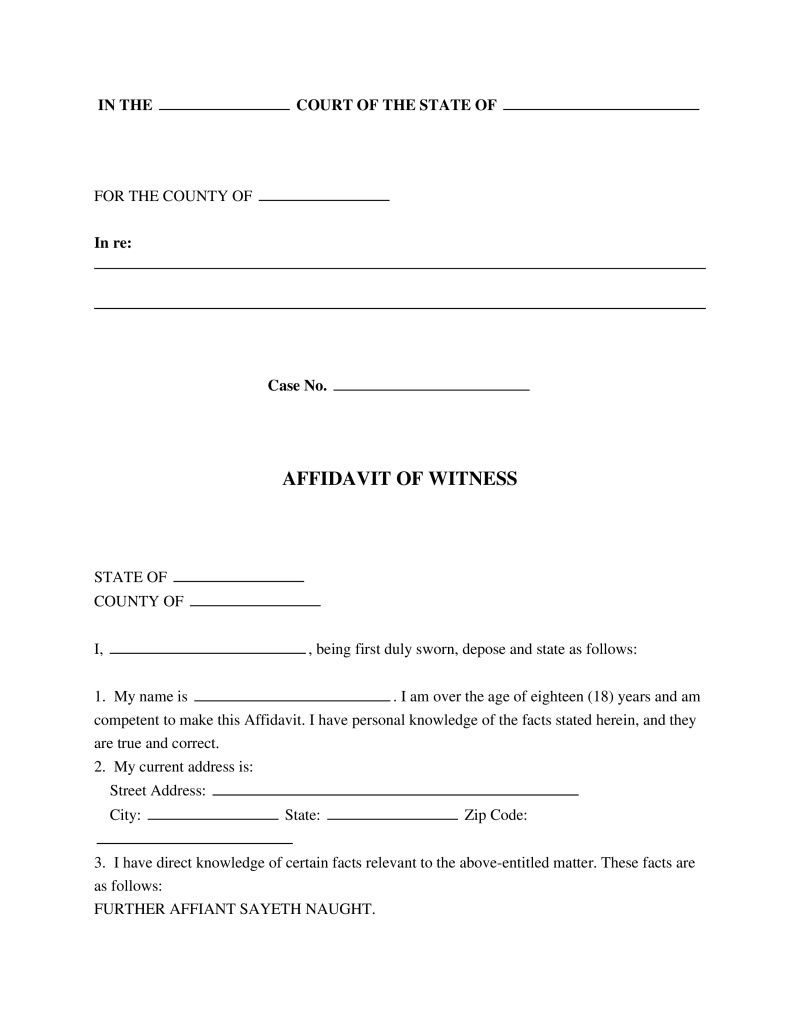
- Establish the Venue - Immediately below the title, state the geographical location where the affidavit is being executed. This usually involves specifying the "State of [State Name]" and "County of [County Name]." This establishes the jurisdiction under which the oath is taken.
- Identify the Affiant - Introduce the affiant with a clear statement that includes their full legal name, address, and sometimes their date of birth or other identifying information. This section typically begins with "I, [Affiant's Full Name], being duly sworn, depose and state as follows."
- State the Facts Clearly - Present the factual statements in numbered paragraphs, ensuring each paragraph addresses a single, distinct fact or point. Use clear, concise language and avoid jargon where possible. Focus on stating facts based on personal knowledge, explicitly noting if information is based on belief or information from others.
- Include the Oath or Affirmation Clause - Conclude the factual statements with a formal declaration that the affiant is swearing to the truth of the document's contents. This clause typically states something like "Further Affiant sayeth naught" followed by a statement affirming that the affiant has read the affidavit and believes all statements to be true and correct under penalty of perjury.
- Provide a Signature Line for the Affiant - Create a space for the affiant's signature, usually with their printed name below it. The affiant must sign this line in the presence of the notary public or authorized official.
- Prepare the Jurat/Notary Acknowledgment - Below the affiant's signature, include the jurat, which is the official certification by the notary public. This section will include the notary's statement that the affiant appeared before them, was identified, and swore to the truth of the statements. It also contains lines for the notary's signature, official seal, and commission expiration date.
Perjury and Consequences
The solemnity of an affidavit derives from the fact that it is a statement made under oath, meaning the affiant has sworn or affirmed to tell the truth. The legal system imposes severe penalties for those who intentionally make false statements in an affidavit, a crime commonly known as perjury. These consequences underscore the importance of accuracy and honesty in such legal documents.
Perjury involves willfully making a false statement of material fact under oath or affirmation. For a statement to be considered perjurious, it must be proven that the affiant knew the statement was false at the time it was made and intended to deceive. Mistakes or inadvertent errors, while potentially requiring correction, generally do not constitute perjury.
The penalties for perjury vary significantly depending on the jurisdiction and the specific circumstances of the false statement. In most federal and state jurisdictions, perjury is classified as a felony. The consequences can include:
- Imprisonment - Convicted individuals may face substantial prison sentences. For example, under federal law, perjury can lead to up to five years in prison (18 U.S.C. § 1621). State laws often impose similar felony sentences.
- Fines - Significant monetary fines are typically imposed in addition to, or sometimes in lieu of, imprisonment.
- Loss of Rights - A felony conviction for perjury can result in the loss of certain civil rights, such as the right to vote, hold public office, or possess firearms.
- Impact on Legal Proceedings - If perjury is committed in the context of a legal case, it can lead to the dismissal of the case, sanctions against the party, or even charges against legal counsel if they were complicit.
Applicable Federal and State Laws
Affidavits are fundamental legal instruments whose validity and enforceability are shaped by a complex interplay of federal and state laws. These statutes govern not only the act of making an affidavit but also the duties of those who administer oaths and the severe penalties for false statements.
Federal Statutes
While no single federal law specifically dictates the format of all affidavits, several federal statutes address their use and the consequences of providing false information within them, especially when submitted to federal agencies or courts:
- Federal Perjury Statute - Prohibits making false material declarations under oath in any federal court, deposition, or affidavit (18 U.S.C. § 1621).
- False Statements to Federal Agencies - Criminalizes knowingly and willfully making any materially false, fictitious, or fraudulent statement or representation in any matter within the jurisdiction of the executive, legislative, or judicial branch of the United States Government, which often includes statements made in affidavits submitted to agencies like the USCIS or SSA (18 U.S.C. § 1001).
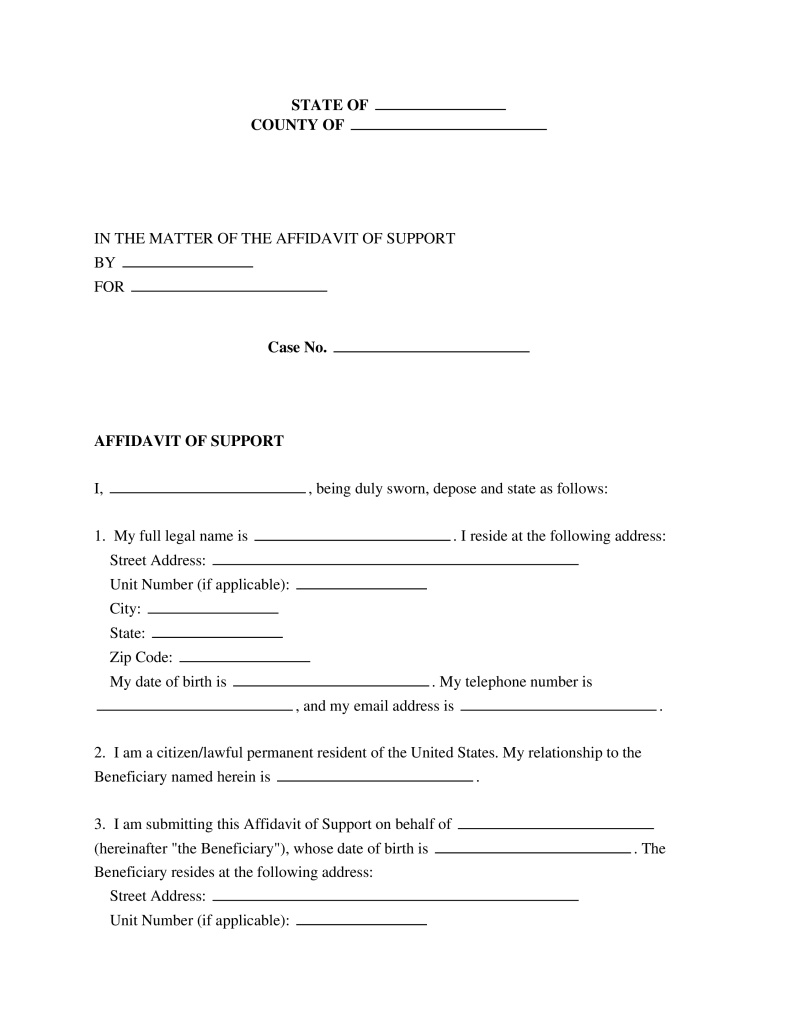
- Immigration and Nationality Act (INA) - Requires affidavits of support from sponsors for certain immigrants, and false statements in these affidavits can lead to civil or criminal penalties (8 U.S.C. § 1182(a)(6)(C)(ii)).
State Laws and Requirements
State laws play a crucial role in regulating the execution and use of affidavits, particularly concerning the duties of notaries public and the definition of state-level perjury offenses:
- State Perjury Statutes - Each state has its own statutes defining perjury and prescribing penalties for making false statements under oath within its jurisdiction. These statutes are fundamental to ensuring the integrity of affidavits used in state courts and administrative processes (e.g., California Penal Code § 118, New York Penal Law § 210.00 et seq.).
- Notary Public Acts - States enact comprehensive laws governing the appointment, duties, and responsibilities of notaries public, including requirements for administering oaths, verifying identity, and completing jurats for affidavits. Many states have adopted variations of the Uniform Law on Notarial Acts (ULONA) to standardize notarial procedures (e.g., Texas Government Code Ann. § 406.001 et seq., Florida Statutes Chapter 117).
- Rules of Civil Procedure - State rules of civil procedure often detail when affidavits are required or permitted in court filings, motions, or as evidence, specifying format and submission requirements (e.g., Federal Rules of Civil Procedure Rule 56 for summary judgment affidavits, which are often mirrored in state rules).
- Specific Affidavit Requirements - Many state statutes mandate the use of affidavits for particular purposes, such as affidavits of heirship in probate, affidavits of service in litigation, or affidavits of domicile for tax purposes, often outlining specific content or evidentiary standards.
Affidavit vs. Sworn Statement
While the terms "affidavit" and "sworn statement" are often used interchangeably, particularly in common parlance, there is a subtle but important distinction in legal contexts. An understanding of this difference is crucial for proper legal documentation.
A sworn statement is a broad term referring to any declaration or testimony made under oath or affirmation. This can encompass a wide range of formats, including oral testimony given in court, depositions, or even a simple verbal declaration made before an authorized official. The defining characteristic is the act of swearing to the truthfulness of the statement, accepting the legal penalties for perjury if the statement is false. It can be written or spoken, formal or informal, as long as it is made under the solemnity of an oath.
An affidavit, by contrast, is a specific type of sworn statement. It is always a written document containing factual declarations, made voluntarily by an individual (the affiant), and signed under oath or affirmation before a notary public or another officer authorized to administer oaths. The key elements that distinguish an affidavit are its written format, the specific structure it often follows (including a venue, affiant identification, and jurat), and the requirement for it to be witnessed and certified by an authorized official. Thus, while every affidavit is a sworn statement, not every sworn statement is an affidavit.
Frequently Asked Questions
Any person who is legally competent to testify in court can make an affidavit. This generally means they must be of sound mind, understand the nature of the oath, and have personal knowledge of the facts they are attesting to. There are no age restrictions other than those related to general competency.
Yes, for an affidavit to be legally valid and serve its intended purpose as a sworn statement, it must be signed under oath or affirmation before a notary public or another authorized official. The notary's role is to verify the affiant's identity and witness the signing, completing the jurat.
A jurat is the certificate of a notary public or authorized officer, typically found at the end of an affidavit, stating that the affiant appeared before them, was identified, and swore or affirmed to the truth of the statements. It includes the official's signature, seal, and the date and place of notarization.
Yes, affidavits are frequently used as evidence in various court proceedings, particularly in support of motions, in uncontested matters, or where permitted by specific rules of evidence. However, in contested hearings or trials, the affiant may still be required to testify in person, allowing for cross-examination.
An oath is a solemn promise invoking a deity or sacred entity to bear witness to the truth of one's statement. An affirmation is a solemn declaration made by individuals who object to taking an oath on religious or moral grounds, asserting the truthfulness of their statement without invoking a deity. Both carry the same legal weight regarding penalties for perjury.
Once an affidavit is signed and notarized, it is generally considered a complete legal document and cannot be altered. If corrections are needed, a new, corrected affidavit should be drafted, signed, and notarized. Attempting to alter a notarized document can have serious legal implications.
While a lawyer is not always legally required to draft an affidavit, it is highly recommended, especially for complex legal matters. A lawyer can ensure the affidavit contains all necessary information, is legally sound, and effectively serves its intended purpose, avoiding potential pitfalls.
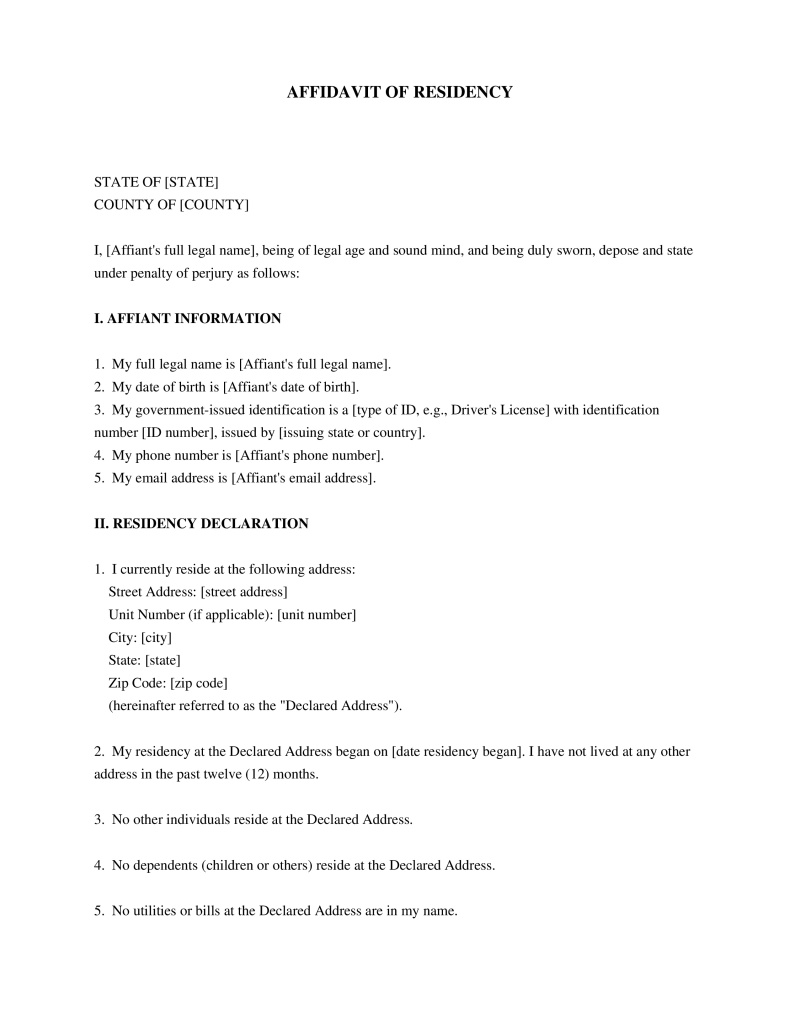
Affidavit Example
0% Complete
0/0 Fields
Related Documents
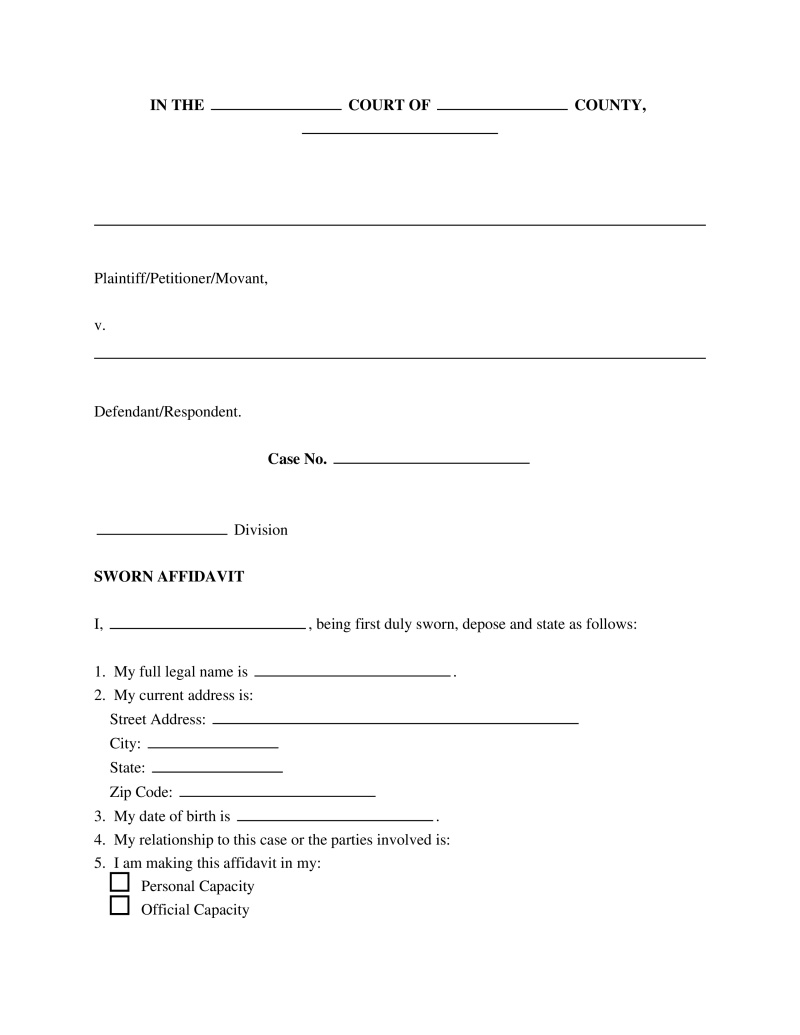
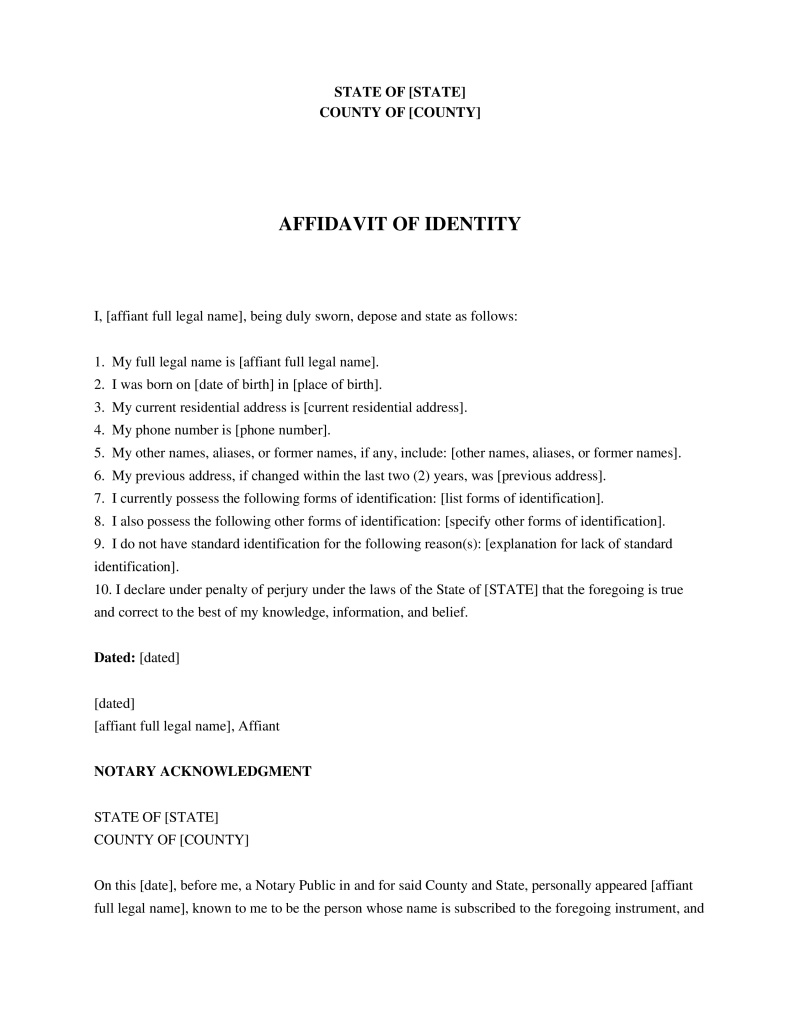
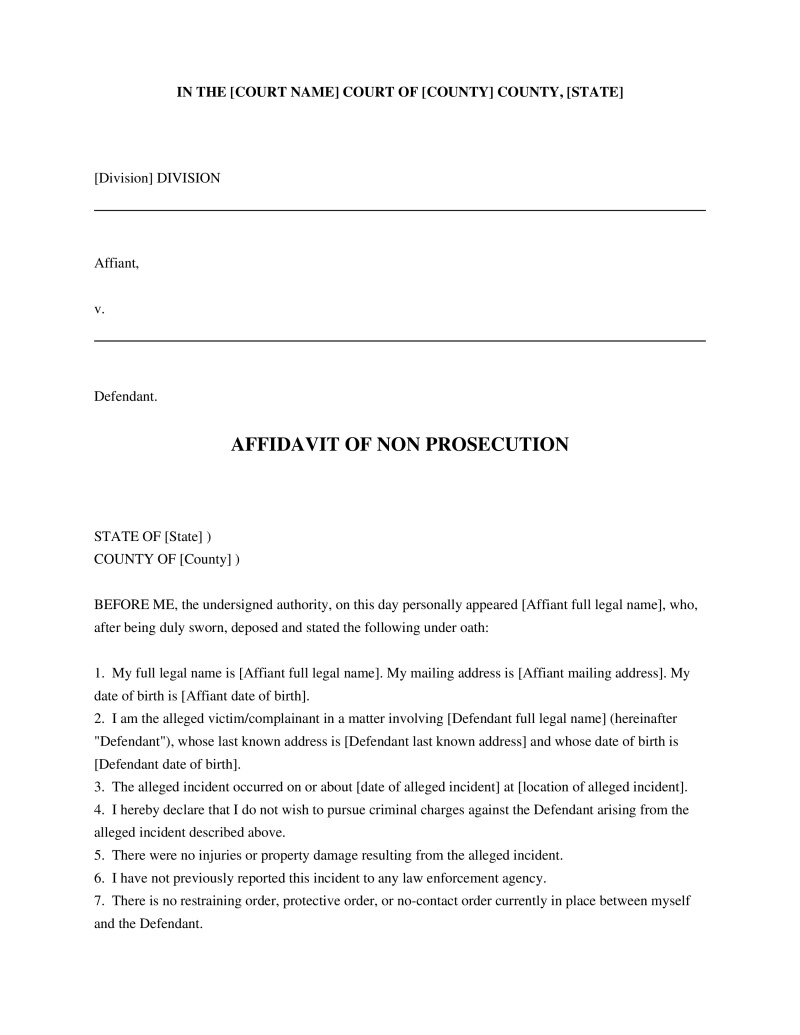
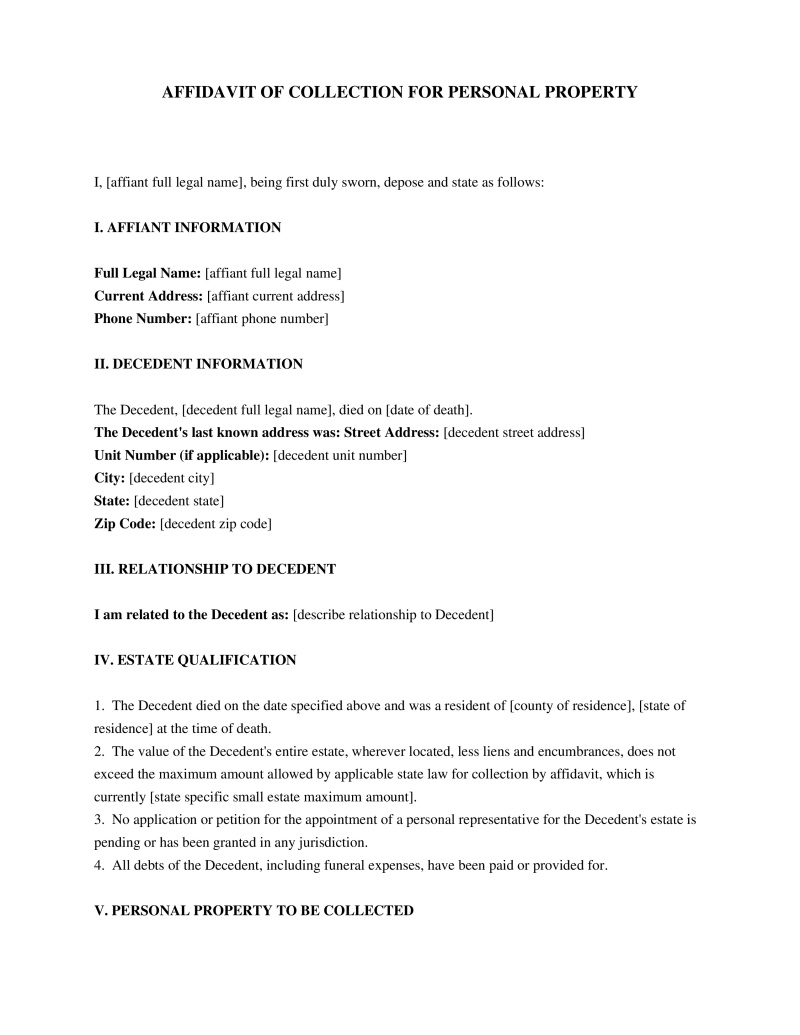
Forms commonly used with Affidavit.
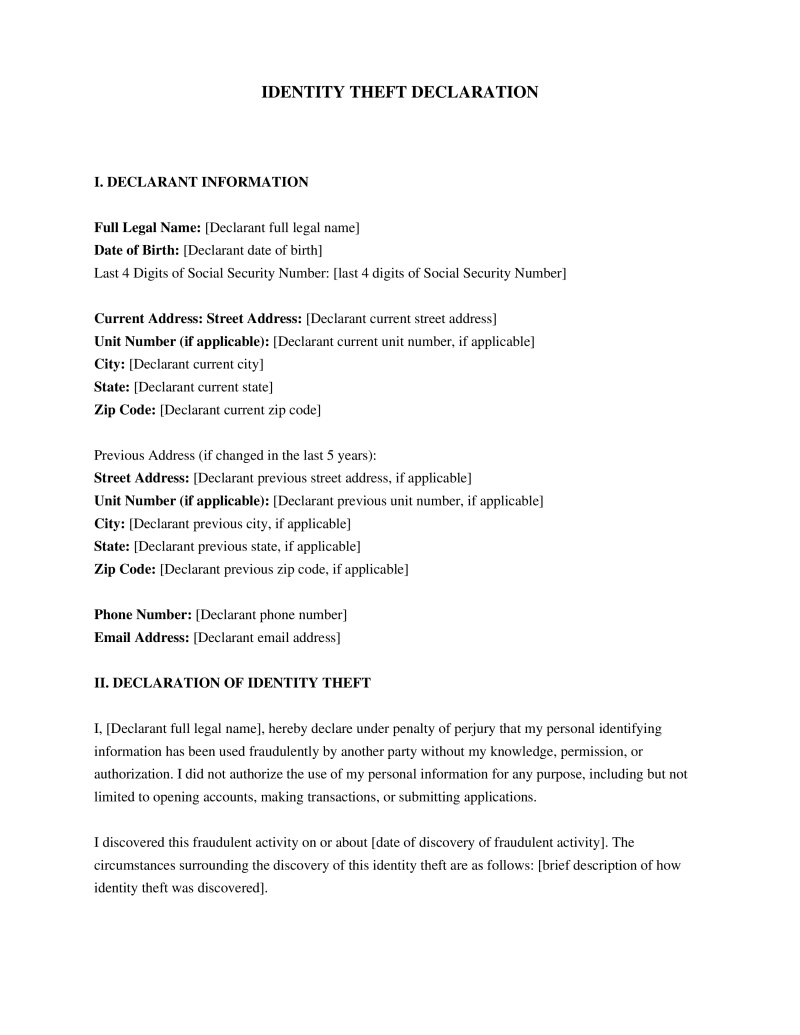
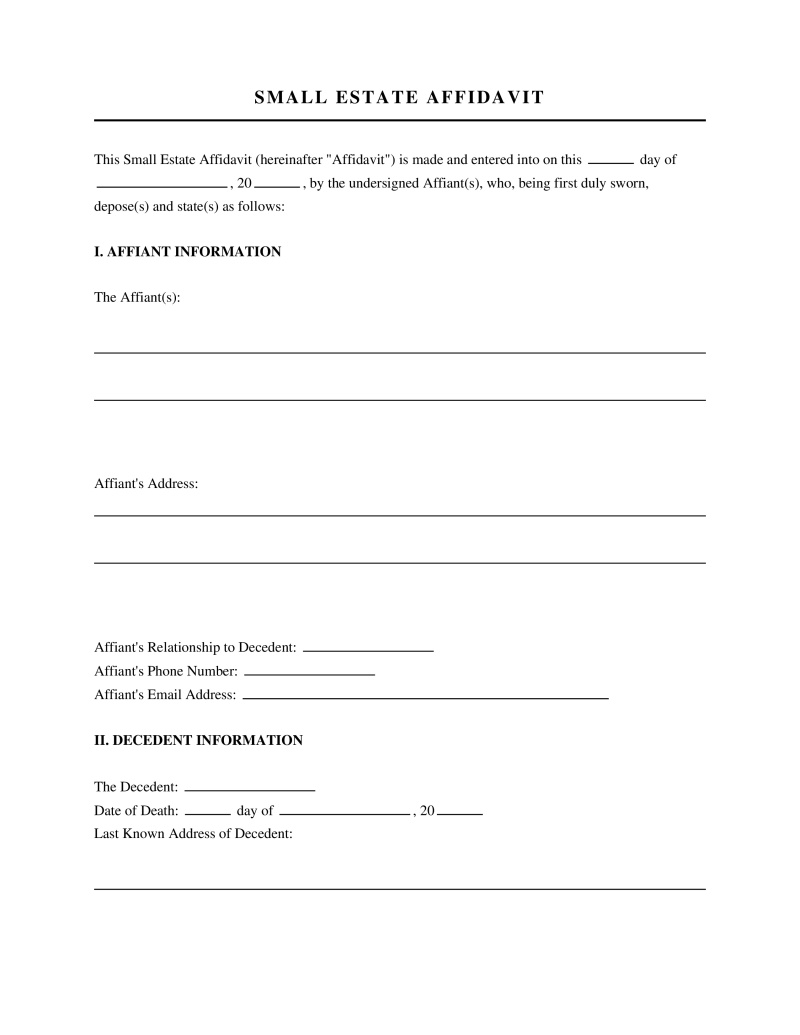
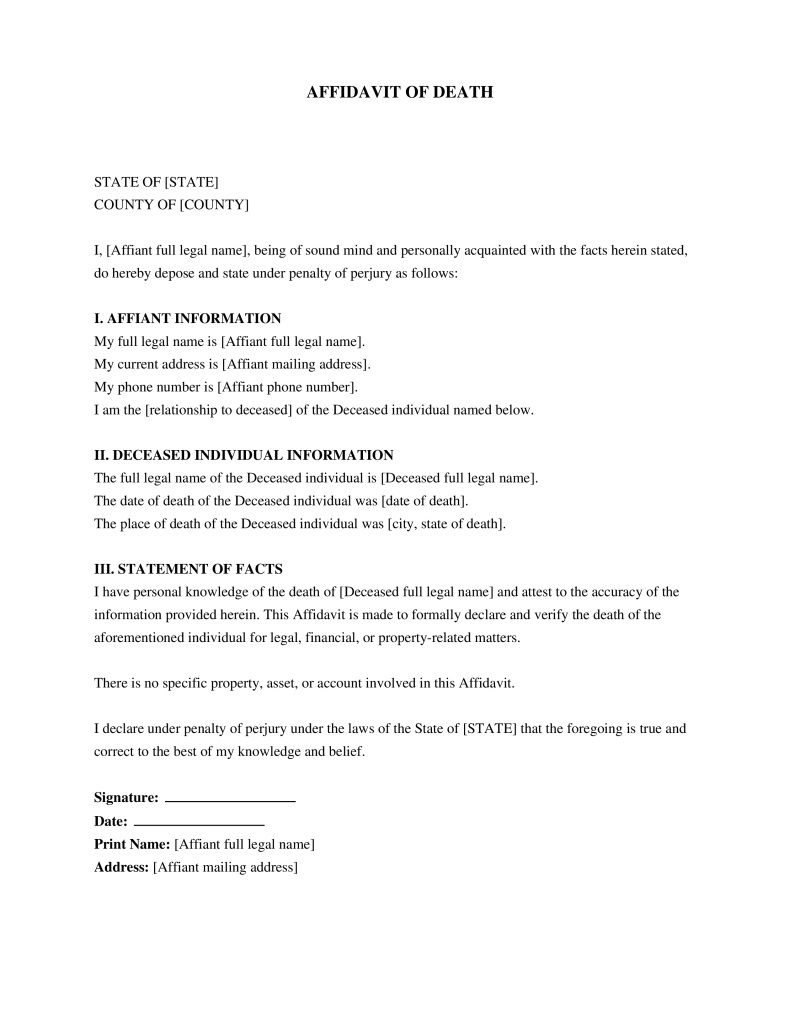
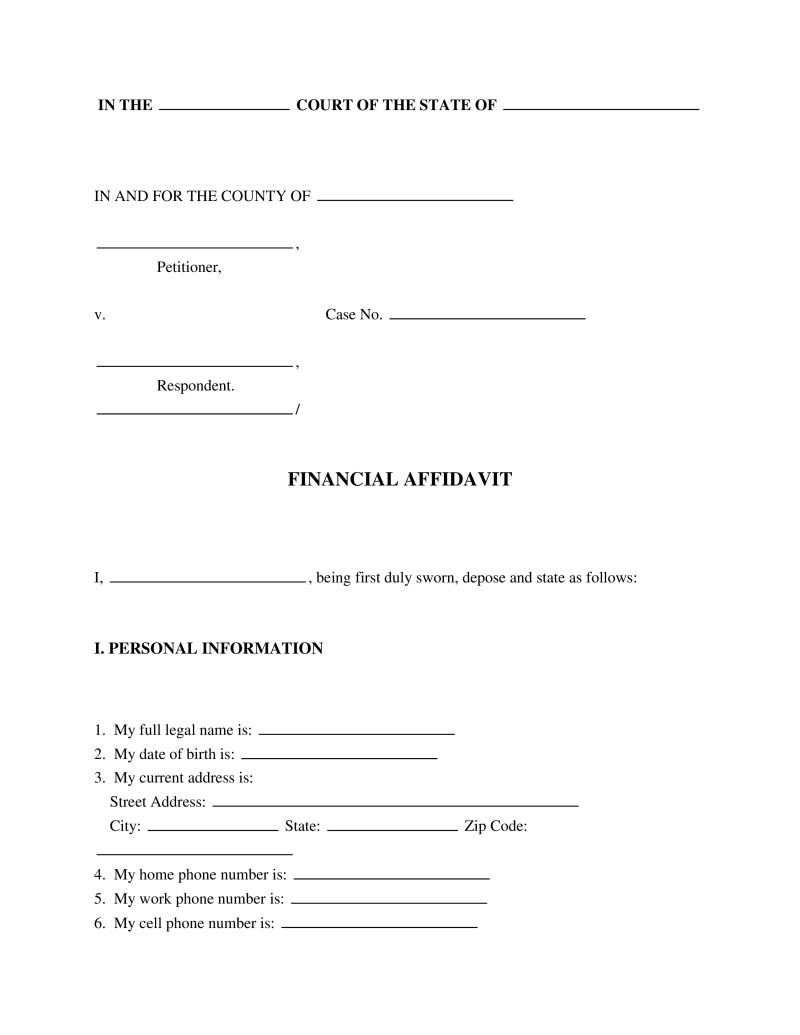
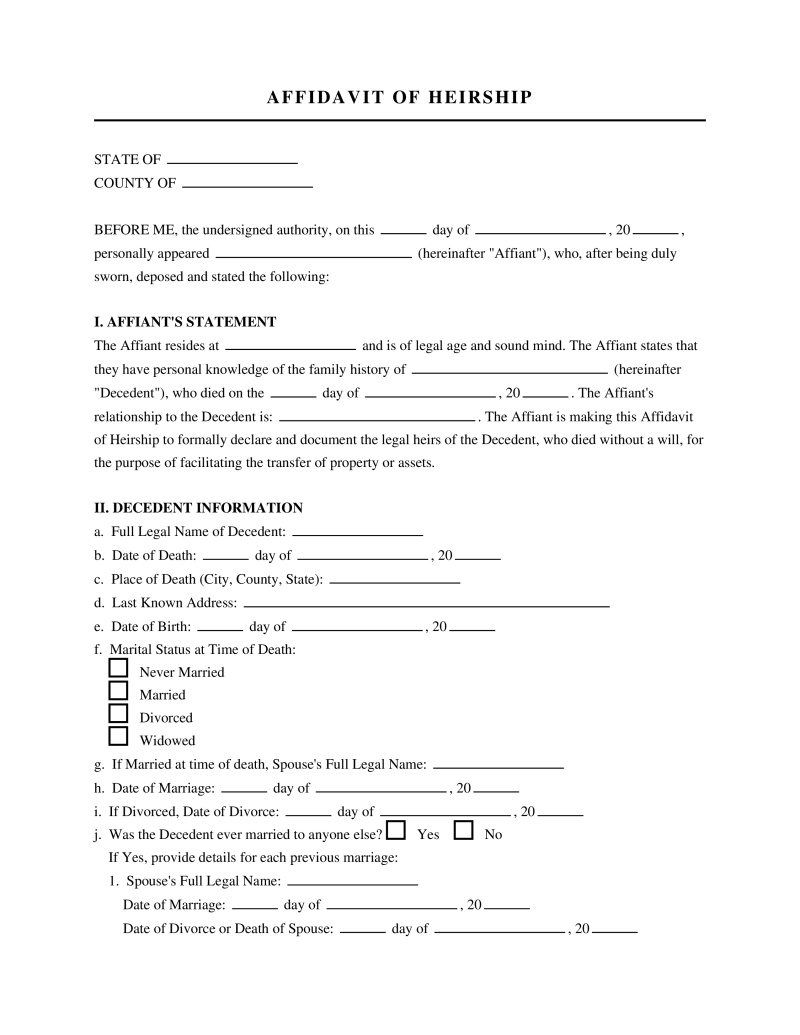
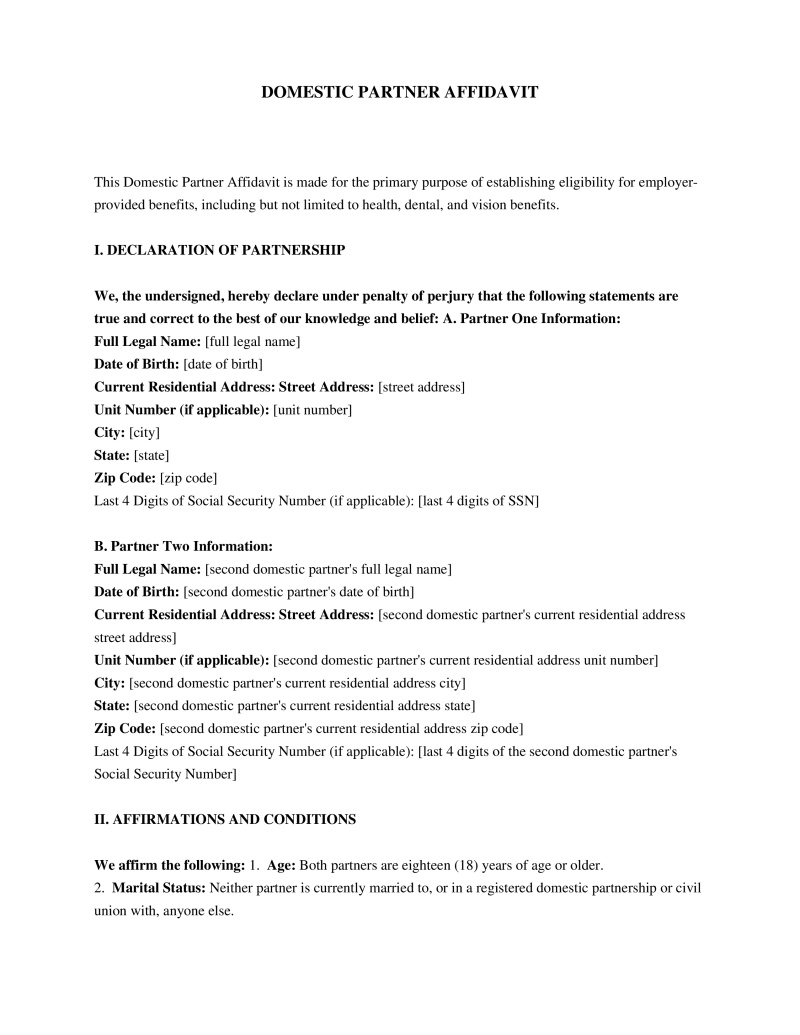
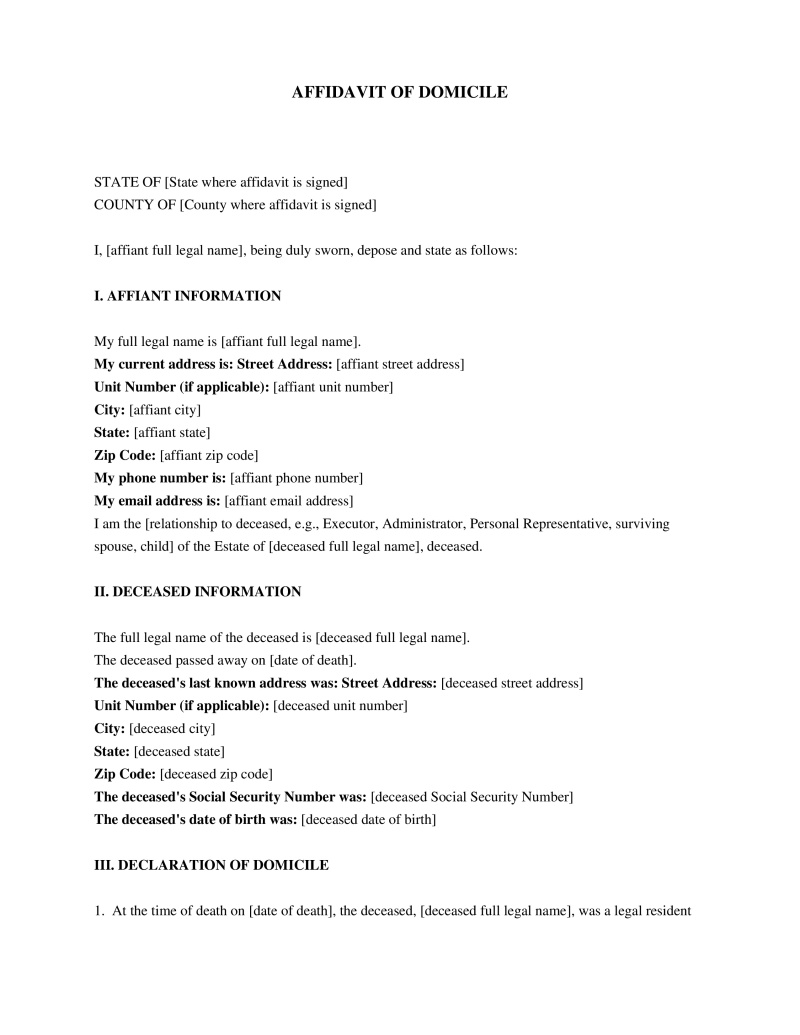
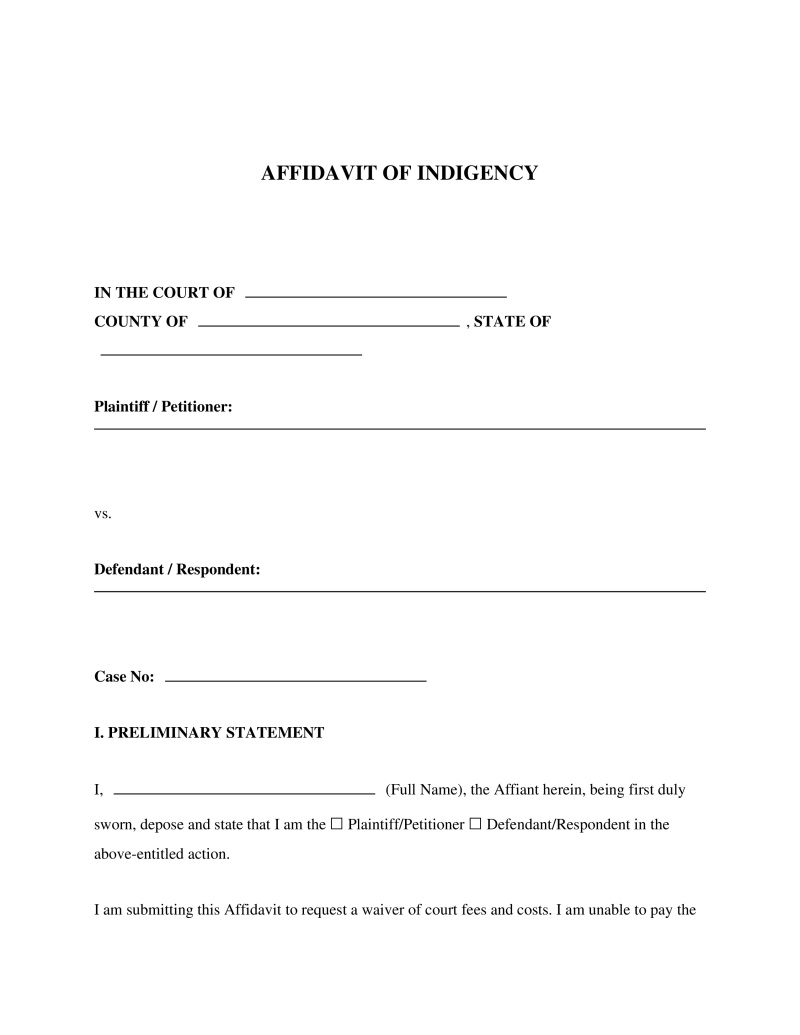
Not the form you're looking for?
Try our legal document generator to create a custom document
Disclaimer: The templates available on this website are provided for general informational purposes only and do not constitute legal advice. They are not intended to be, and should not be interpreted as, compliant with any specific legal, regulatory, or privacy requirements. These templates are not a replacement for professional legal guidance and should not be relied upon for any particular matter or circumstance. Users are strongly encouraged to seek advice from a qualified attorney licensed in their jurisdiction before using, modifying, or relying on any template.
All templates are provided on an "as is," "with all faults," and "as available" basis. The provider disclaims any and all warranties of any kind, whether express, implied, statutory, or otherwise, including without limitation warranties of merchantability, fitness for a particular purpose, title, or non-infringement.
LegalTemplates.com makes no guarantees or representations regarding the accuracy, completeness, expected outcomes, or reliability of the materials contained in these templates or any materials referenced or linked from them.