Victim Impact Statement
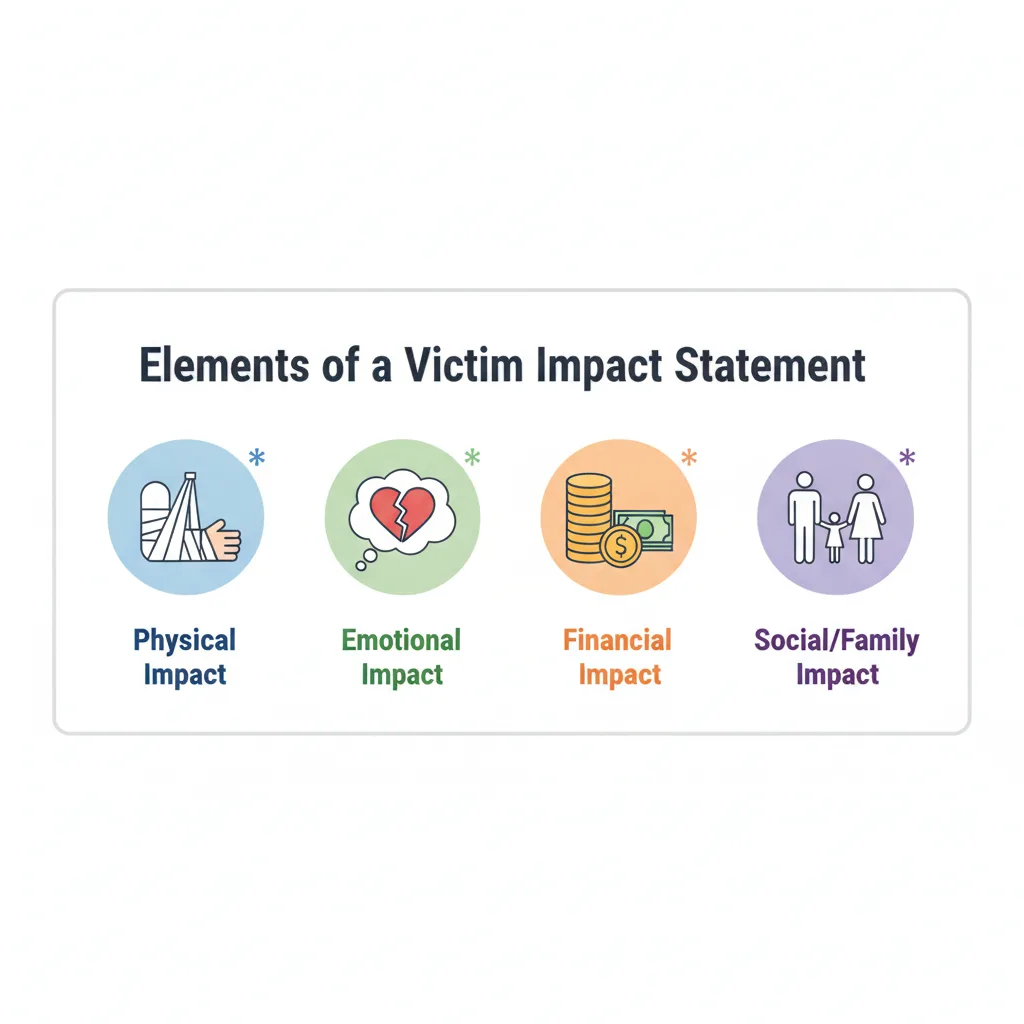
A Victim Impact Statement is a document submitted to a court detailing the physical, emotional, and financial effects a crime has had on a victim.
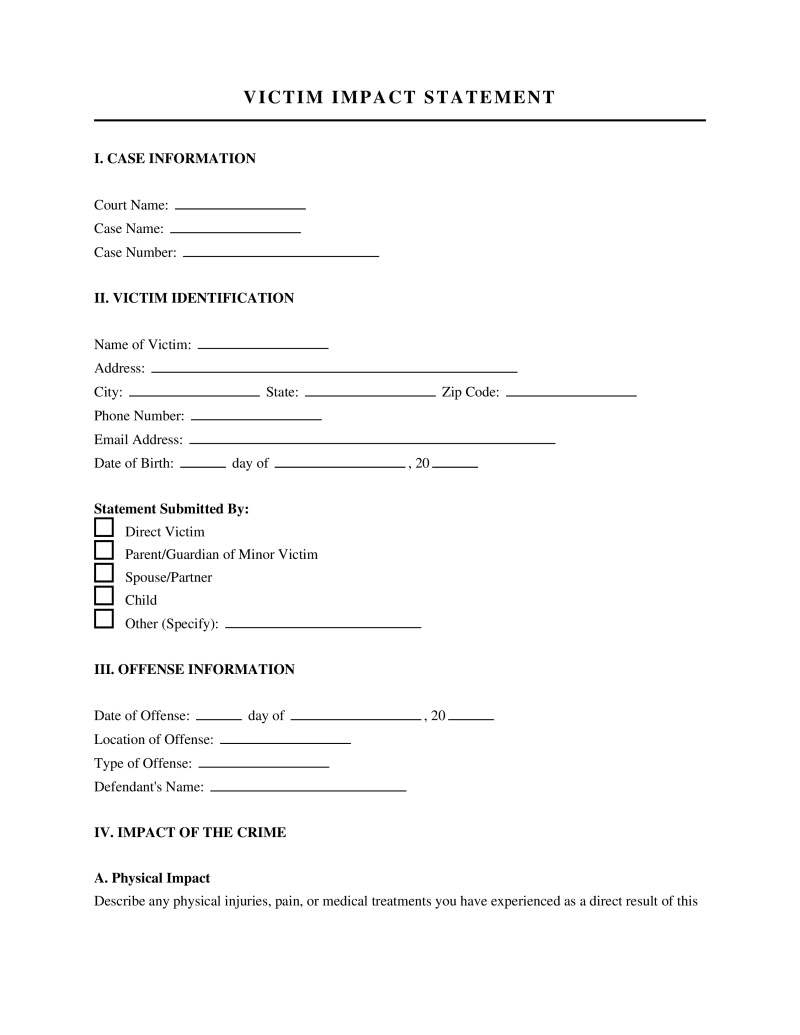
Statement Preparer Role
Select the role of the person completing this statement.
If you selected 'Other', please provide details.
Table of Contents
What is a Victim Impact Statement?
A Victim Impact Statement (VIS) is a written or oral statement presented to the court at the time of sentencing. It allows victims of crime to describe the emotional, physical, and financial impact the crime has had on their lives. The primary purpose of a Victim Impact Statement is to provide the sentencing judge or parole board with a more complete understanding of the crime's consequences, ensuring that the victim's perspective is considered alongside other factors during sentencing or parole decisions. It serves as a crucial mechanism for victims to participate in the criminal justice process and advocate for their own interests.
Legal Framework and Purpose
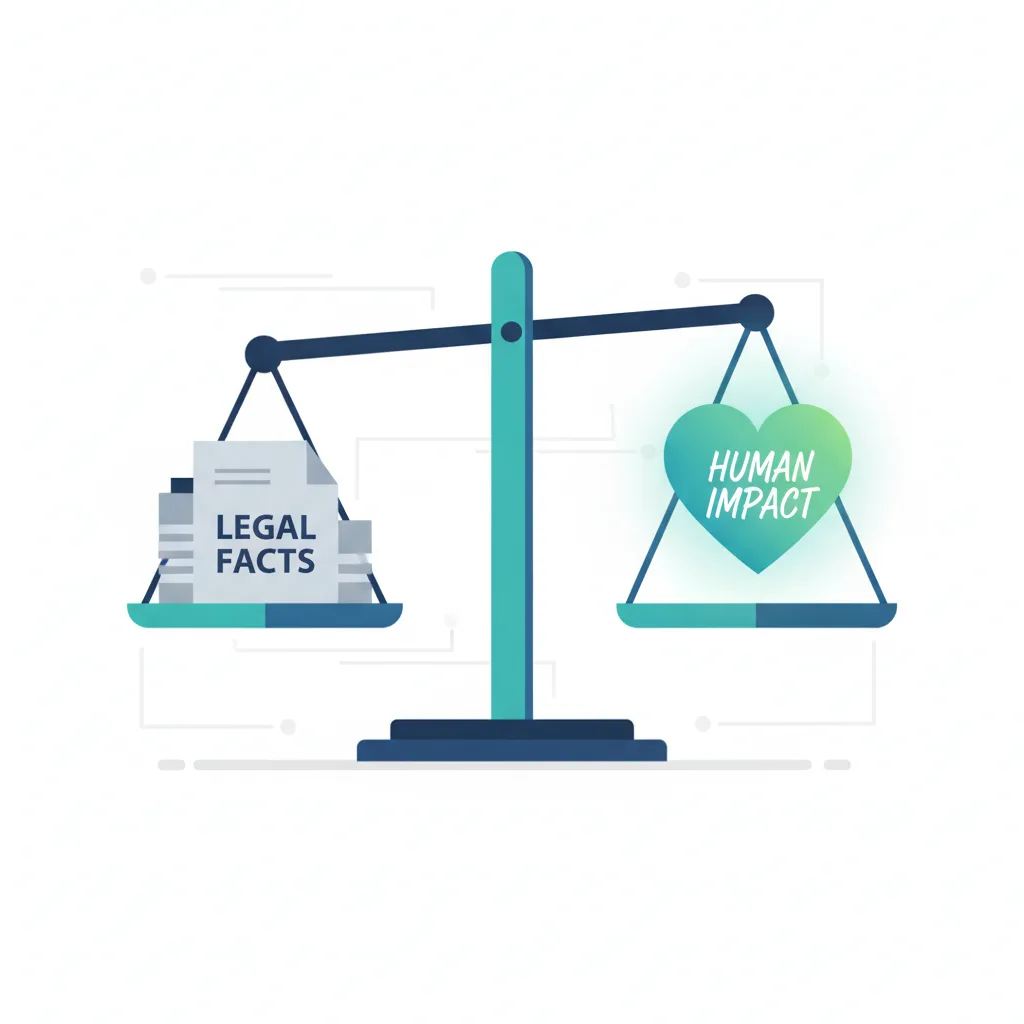
The concept of Victim Impact Statements emerged from the victims' rights movement, gaining widespread acceptance in the late 20th century as a means to rebalance the focus of the criminal justice system, which traditionally centered on the offender and the state. These statements are not considered evidence of guilt but rather factors relevant to sentencing. They provide a human dimension to the legal proceedings, detailing the personal toll of criminal acts beyond the legal definitions and elements of the crime itself. The information contained within a Victim Impact Statement can influence various aspects of sentencing, including the length of a prison term, the amount of restitution ordered, or conditions of probation.
The inclusion of Victim Impact Statements in sentencing procedures is largely rooted in statutory provisions at both federal and state levels. These laws typically outline who is eligible to submit a statement, the permissible content, and the process for submission. The overarching goal is to afford victims a voice and ensure that the harm they have suffered is recognized and given appropriate weight in judicial determinations. This recognition is vital for victims' sense of justice and recovery, allowing them to express their feelings, needs, and opinions directly to the court.
Who Can Submit a Victim Impact Statement?
Eligibility to submit a Victim Impact Statement is generally defined by statute and extends beyond the direct victim of a crime to include others significantly affected. The specific criteria can vary by jurisdiction, but common categories of eligible individuals include:
- Direct Victims - Any person who has suffered direct physical, emotional, or financial harm as a result of the commission of a crime. This is the primary individual for whom the Victim Impact Statement was designed.
- Family Members of Deceased Victims - In cases where a crime results in death, immediate family members such as spouses, parents, children, or siblings are typically permitted to submit a statement on behalf of the deceased.
- Guardians or Representatives of Incapacitated Victims - If a victim is a minor, elderly, or otherwise physically or mentally incapacitated, their legal guardian, parent, or designated representative may submit a statement on their behalf.
- Certain Organizations or Institutions - In some jurisdictions, if a crime has directly impacted an organization or institution (e.g., fraud against a charity, vandalism of a school), a representative may be allowed to submit a statement detailing the institutional harm.
- Co-victims - Individuals who, while not the direct target of the crime, suffer significant emotional or financial harm as a direct consequence of the crime (e.g., a witness to a violent crime who experiences PTSD).
Eligibility often requires that the individual be identified as a "victim" under the applicable victims' rights statutes for that jurisdiction. The court or prosecutor's office typically provides guidance on who qualifies.
How to Complete a Victim Impact Statement
Creating a Victim Impact Statement requires careful thought and organization to effectively convey the full scope of the crime's effects. The process typically involves several key steps:
- Understand the Purpose and Scope - Begin by understanding that your statement is intended to inform the court about the personal impact of the crime, not to re-argue facts or assign guilt. Focus on how the crime has affected your life, including physical injuries, emotional distress, financial losses, and changes in daily routines or relationships. Avoid speculative or accusatory language, as the statement should remain factual and personal.
- Gather Relevant Information and Documentation - Collect all pertinent records that support your claims of harm. This might include medical bills, counseling records, lost wage statements, property damage estimates, insurance claims, and receipts for crime-related expenses. Having documentation can strengthen the credibility and impact of your statement, particularly concerning financial losses, ensuring accuracy and providing concrete evidence of the costs incurred.
- Structure Your Statement Logically - Organize your thoughts into clear sections. A common structure includes an introduction, detailing who you are and your relationship to the crime; a section on physical injuries and medical treatment; a section on emotional and psychological impacts; a section on financial losses; and a concluding section outlining your feelings about the sentencing and any requests for restitution or protective orders. Use headings or bullet points to make the statement easy to read and digest.
- Draft the Content with Detail and Emotion - Write your statement in your own words, using clear, concise language. Describe the specific ways the crime has altered your life, using descriptive details to convey the severity of the impact. Do not shy away from expressing your feelings, such as fear, anger, sadness, or frustration, as these emotions are a legitimate part of the statement's purpose. However, maintain a respectful tone, focusing on your experience rather than attacking the offender.
- Review, Edit, and Practice Delivery (if oral) - After drafting, carefully review your statement for clarity, accuracy, grammar, and spelling errors. Ensure that all key impacts are addressed and that the statement flows logically. If you plan to deliver the statement orally, practice reading it aloud to ensure it fits within any time limits and that you can deliver it confidently and clearly, even under emotional circumstances. This preparation helps ensure your message is delivered effectively.
- Submit the Statement According to Court Procedures - Follow the specific instructions provided by the prosecutor's office or victim services coordinator regarding submission deadlines and format. Statements are typically submitted to the prosecutor, who then files them with the court and provides a copy to the defense. Adhering to these procedural requirements is crucial for your statement to be considered by the court.
Legal Requirements and Admissibility
The admissibility and content of Victim Impact Statements are subject to specific legal requirements to ensure fairness and due process. While these requirements can vary by jurisdiction, certain common principles apply:
- Timeliness of Submission - Statements must typically be submitted within a specified timeframe before sentencing to allow the court and defense adequate time for review. Late submissions may be rejected or result in sentencing delays.
- Relevance to Sentencing - The content of the statement must be relevant to the impact of the crime on the victim and should inform the court's sentencing decision. It should not introduce new evidence regarding the defendant's guilt, which has already been established.
- Truthfulness and Factual Basis - While emotional and subjective, the factual assertions within a Victim Impact Statement are expected to be truthful. Deliberately false or misleading information can undermine the statement's credibility and may lead to its exclusion.
- Notice to the Defense - The defense typically has a right to review the Victim Impact Statement prior to sentencing. This allows them to raise objections to any content they deem inappropriate or legally inadmissible, ensuring the defendant's right to due process.
- Limitations on Content - Most jurisdictions place limitations on the types of information that can be included. For example, statements generally cannot contain recommendations for specific punishments (e.g., "the defendant should get life in prison") or speculative claims not directly related to the crime's impact.
- Opportunity for Cross-Examination (Limited) - While rare, in some jurisdictions, and under specific circumstances, the defense may have a limited opportunity to cross-examine the victim regarding factual claims made in the statement, particularly if those claims are disputed and central to a sentencing factor like restitution.
Courts have discretion in determining the weight given to a Victim Impact Statement and its admissibility, balancing the victim's rights with the defendant's due process rights.
Rights and Obligations of Parties Involved
The process surrounding Victim Impact Statements involves specific rights and obligations for various parties within the criminal justice system:
- Victim's Rights - Victims have the right to be informed about the availability of Victim Impact Statements, to prepare and submit one, and often to present it orally in court. They also have the right to privacy regarding certain personal details not relevant to the statement. The Victims' Rights and Restitution Act of 1990 (18 U.S.C. § 3771) and similar state statutes enshrine these rights, ensuring victims are treated with dignity and respect throughout the process.
- Prosecutor's Obligations - Prosecutors are generally obligated to inform victims of their right to submit a Victim Impact Statement and to assist them in understanding the process. They must also ensure that the statement is properly submitted to the court and provided to the defense, acting as a liaison between the victim and the judicial system.
- Court's Responsibilities - The court has the responsibility to consider the Victim Impact Statement during sentencing. Judges must review the statement, weigh its contents alongside other sentencing factors, and ensure that the process adheres to statutory and constitutional requirements. The court also determines the admissibility of the statement's content.
- Defendant's Rights - Defendants have the right to review the Victim Impact Statement submitted against them. This allows them to understand the claims being made and to object to any portions they believe are legally inadmissible or factually inaccurate. This right is crucial for ensuring due process and the fairness of sentencing.
- Defense Counsel's Role - Defense attorneys are responsible for reviewing Victim Impact Statements, advising their clients on the contents, and, if appropriate, raising objections to any improper or prejudicial information contained within the statement. Their role is to protect the defendant's rights during the sentencing phase.
Applicable Federal and State Laws
Victim Impact Statements are primarily governed by statutory law, which outlines their use, scope, and procedural requirements. Both federal and state jurisdictions have enacted laws to incorporate these statements into their criminal justice systems:
- Victims' Rights and Restitution Act of 1990 - This federal law established significant rights for victims in federal criminal proceedings, including the right to be present at and heard during public court proceedings involving release, plea, sentencing, or parole (18 U.S.C. § 3771). This act provides the foundational right for victims to submit Victim Impact Statements in federal cases.
- Federal Rules of Criminal Procedure - Specifically, Rule 32, which governs sentencing and judgment, includes provisions for the court to consider victim impact information during the sentencing phase (Fed. R. Crim. P. 32). This rule outlines the procedural aspects of how such statements are handled in federal courts.
- State Victims' Rights Acts - Every state has enacted legislation granting specific rights to crime victims, many of which explicitly include the right to prepare and present a Victim Impact Statement at sentencing or parole hearings (e.g., California Penal Code § 1191.1, New York Criminal Procedure Law § 380.50). These statutes detail eligibility, content limitations, and procedural guidelines unique to each state.
- State Sentencing Guidelines - Many states incorporate Victim Impact Statements as a mandatory or discretionary factor for judges to consider when applying sentencing guidelines. These guidelines often provide a framework for how the impact on victims should influence the severity of the sentence.
- Restitution Laws - State and federal laws mandate that courts consider restitution to victims for financial losses. Victim Impact Statements often serve as the primary document for victims to detail these losses, which then informs the court's restitution order (e.g., 18 U.S.C. § 3663A for federal cases).
Penalties for non-compliance with these laws typically do not apply to victims submitting statements, but rather to court officials or prosecutors who fail to uphold a victim's rights. For example, a failure to inform a victim of their right to submit a statement, or to consider a properly submitted statement, could lead to procedural challenges or appeals related to the sentencing process.
Frequently Asked Questions
Victim Impact Statement Example
Not the form you're looking for?
Try our legal document generator to create a custom document
Ask about a Victim Impact Statement
Example questions:
Disclaimer: The templates available on this website are provided for general informational purposes only and do not constitute legal advice. They are not intended to be, and should not be interpreted as, compliant with any specific legal, regulatory, or privacy requirements. These templates are not a replacement for professional legal guidance and should not be relied upon for any particular matter or circumstance. Users are strongly encouraged to seek advice from a qualified attorney licensed in their jurisdiction before using, modifying, or relying on any template.
All templates are provided on an "as is," "with all faults," and "as available" basis. The provider disclaims any and all warranties of any kind, whether express, implied, statutory, or otherwise, including without limitation warranties of merchantability, fitness for a particular purpose, title, or non-infringement.
LegalTemplates.com makes no guarantees or representations regarding the accuracy, completeness, expected outcomes, or reliability of the materials contained in these templates or any materials referenced or linked from them.