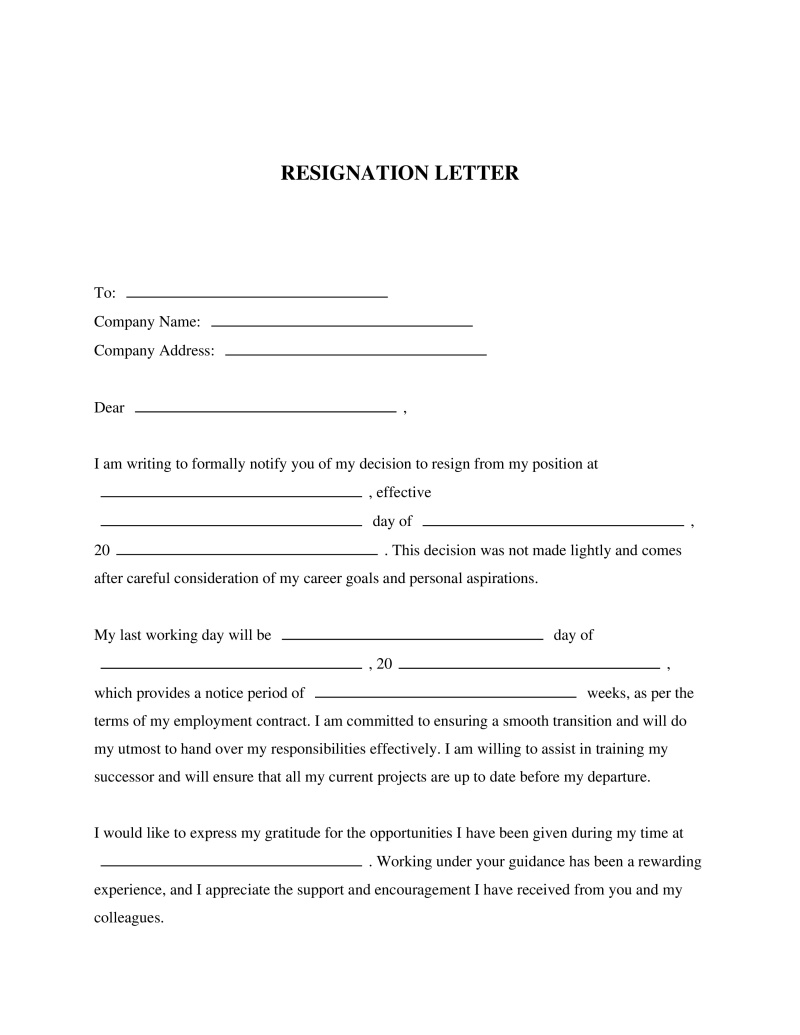
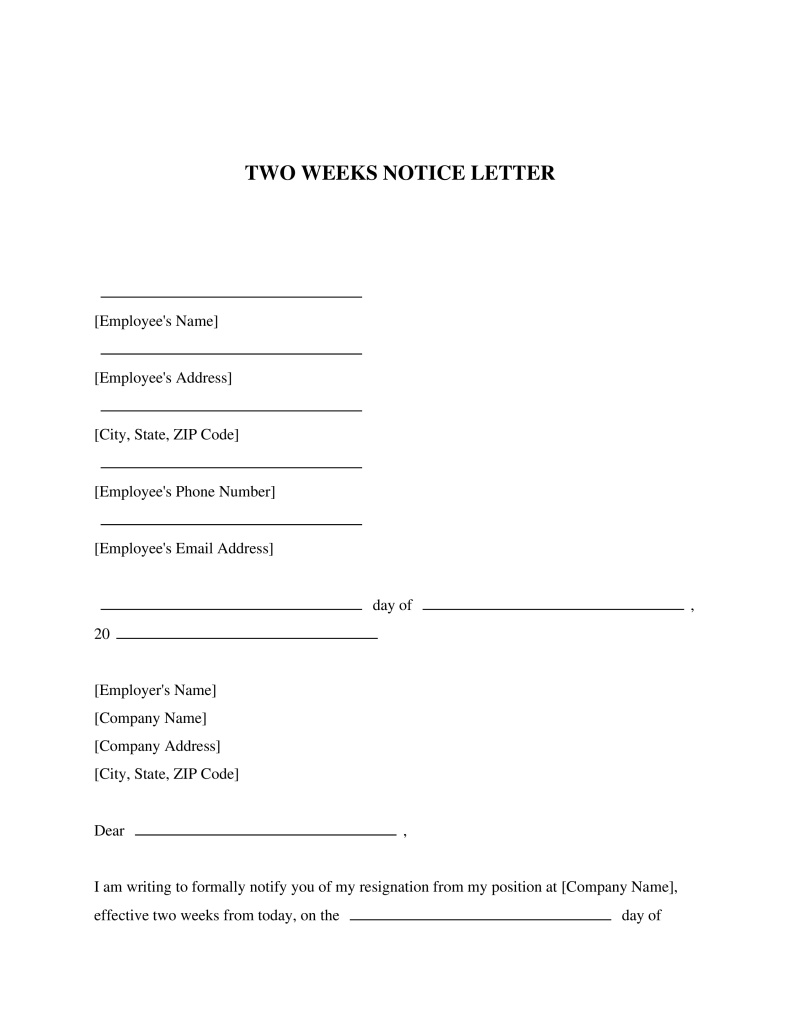
Resignation Letter
Create Resignation Letter
Resignation Letter
A resignation letter is a formal document notifying an employer of an employee's intent to leave their position, outlining final work details.
Answer the question(s) below to create your Resignation Letter
Table of Contents
What is a Resignation Letter?
A resignation letter is a formal written notification from an employee to their employer stating their intent to terminate their employment. This document serves as an official record of the employee's decision to leave the organization, typically specifying the last day of employment. It is a professional courtesy and often a contractual requirement, facilitating a smooth transition for both the departing employee and the company. The resignation letter helps in maintaining a positive professional relationship and ensures clarity regarding the employment separation.
Core Components of a Resignation Letter
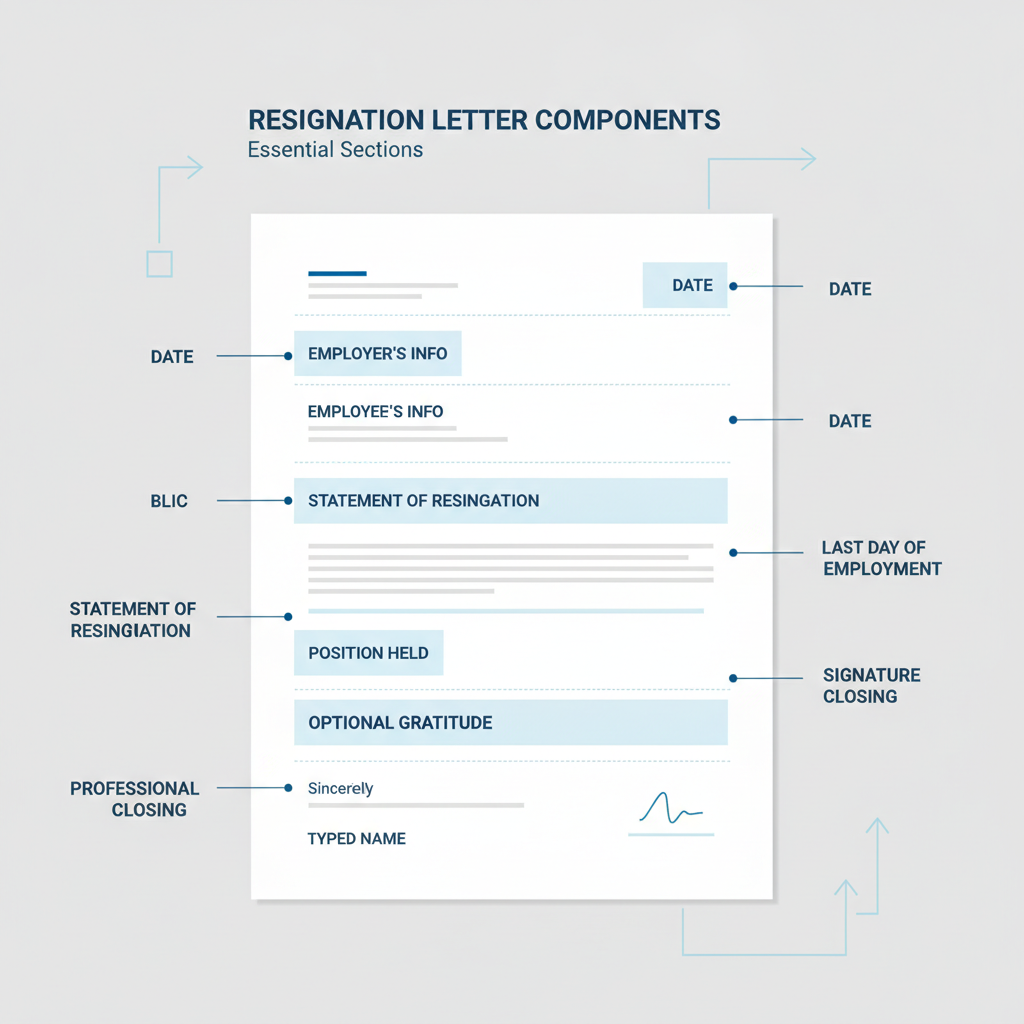
While the specific content of a resignation letter can vary based on individual circumstances and company policies, certain core components are generally included to ensure clarity and professionalism. These elements help to formally document the employee's departure and provide essential information for the employer.
- Date - The date the letter is written.
- Employer's Name and Address - The full name and address of the employer or immediate supervisor.
- Employee's Name and Address - The full name and address of the employee.
- Statement of Resignation - A clear and unambiguous declaration of the intent to resign from the position.
- Last Day of Employment - The specific date on which the employee's employment will officially terminate.
- Position Held - The employee's current job title.
- Expression of Gratitude (Optional) - A brief thank-you for the opportunities and experience gained.
- Offer of Assistance (Optional) - A statement offering to help with the transition, such as training a replacement or completing outstanding tasks.
- Professional Closing - A formal closing such as "Sincerely" or "Respectfully."
- Employee's Signature - The employee's handwritten signature (for a physical letter).
- Typed Name - The employee's typed full name beneath the signature.
Purpose and Professional Significance
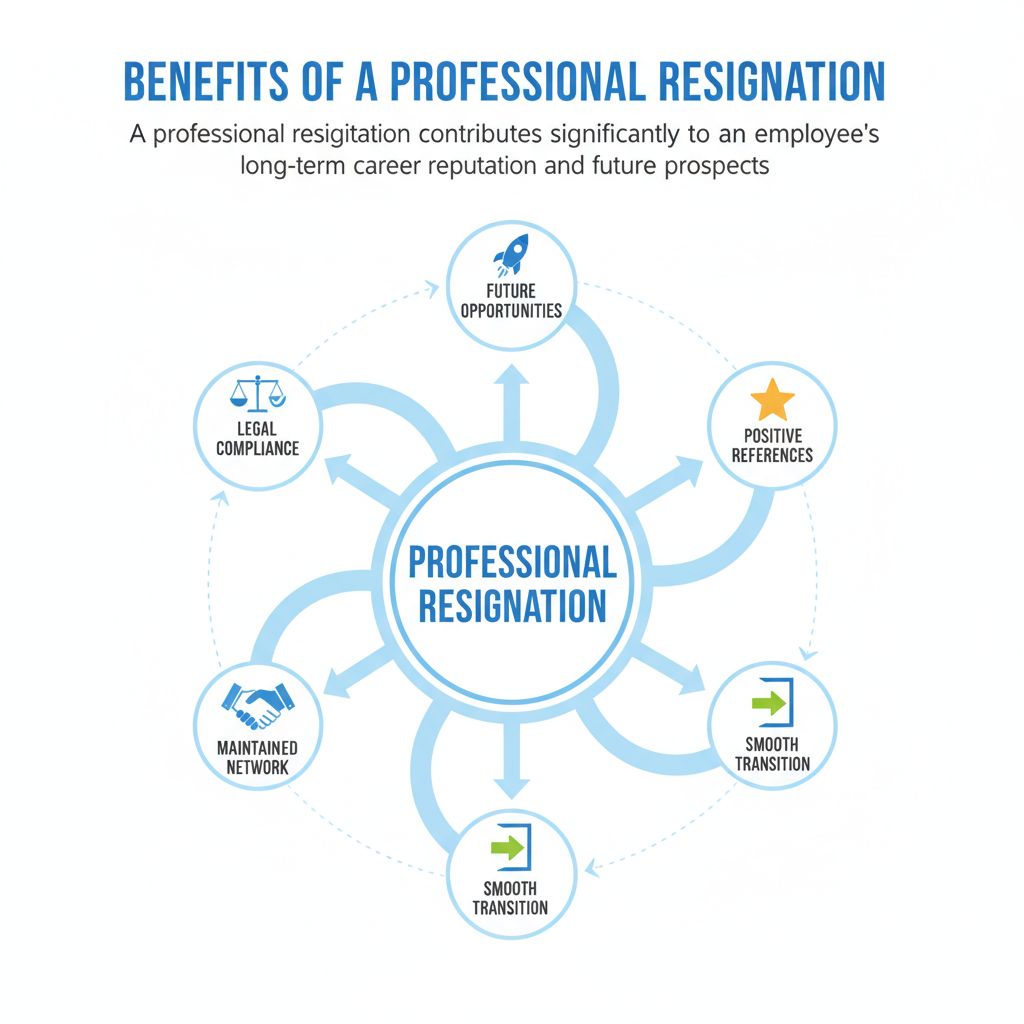
The primary purpose of a resignation letter extends beyond merely notifying an employer of an employee's departure. It serves as a critical professional document that can significantly impact an individual's career trajectory and reputation. By providing a formal written notice, an employee demonstrates professionalism and respect for the organization and their colleagues.
Submitting a well-crafted resignation letter helps to:
- Maintain Professionalism - Conveys a respectful and responsible attitude, which is crucial for future references and networking.
- Create a Formal Record - Provides an official document for both the employee's and employer's records, detailing the terms and effective date of separation.
- Facilitate a Smooth Transition - Allows the employer adequate time to plan for the employee's departure, including finding a replacement and redistributing workload.
- Avoid Misunderstandings - Clearly states the intention to resign and the last day, preventing ambiguity that could arise from verbal communication alone.
- Protect Future Opportunities - A professional exit can lead to positive recommendations and open doors for future career opportunities.
- Comply with Agreements - Fulfills any contractual obligations regarding notice periods or other terms of separation.
Notice Periods and Contractual Obligations
The concept of a notice period is a standard professional practice, providing a transitional phase between an employee's decision to leave and their actual departure. While often a matter of professional courtesy, it can also be a legally binding obligation depending on the employment agreement or local labor laws.
Key aspects related to notice periods include:
- Standard Notice Period - Typically, two weeks is considered a customary and professionally acceptable notice period in many industries.
- Contractual Requirements - Employment contracts or collective bargaining agreements may specify a longer or shorter mandatory notice period. Failure to adhere to these terms could potentially lead to a breach of contract claim, though such claims are rare for minor deviations.
- Company Policy - Many organizations have internal policies outlining required notice periods, which employees are expected to follow.
- At-Will Employment - In jurisdictions with "at-will" employment, either the employer or employee can terminate the employment relationship at any time, with or without cause, and generally without a specific notice period unless otherwise stipulated by contract. However, providing notice remains a professional best practice.
- Seniority or Position Level - Higher-level positions or roles requiring specialized knowledge may necessitate longer notice periods to ensure business continuity.
- Waiver of Notice - An employer may choose to waive the notice period, asking the employee to leave immediately, often providing pay in lieu of notice or for the notice period itself.
Types of Resignation
While the fundamental purpose of a resignation letter remains consistent, the specific circumstances surrounding an employee's departure can influence its tone and content. Different situations may call for slightly varied approaches to the resignation letter.
- Standard Resignation Letter - This is the most common type, typically providing two weeks' notice and expressing gratitude for the opportunity. It maintains a positive and professional tone, focusing on a smooth transition.
- Resignation with Immediate Effect - Used in situations where an employee cannot or will not work through a notice period, often due to urgent personal circumstances, a new job requiring immediate start, or untenable working conditions. While sometimes necessary, it can be viewed less favorably by employers.
- Resignation with Regret - This type acknowledges the difficulty of leaving a valued position or team, often used when an employee genuinely enjoys their role but is leaving for reasons such as family relocation or a unique opportunity that cannot be refused.
- Conditional Resignation Letter - Less common, this letter might state an intention to resign contingent on certain conditions, such as the approval of a new role internally or the resolution of a specific workplace issue. This approach requires careful consideration and may carry risks.
- Letter of Resignation Due to Retirement - Specifically used when an employee is leaving the workforce permanently or semi-permanently due to reaching retirement age. These letters often include expressions of appreciation for a long tenure and may discuss retirement plans.
Legal and Practical Considerations
Beyond the professional courtesy, drafting and submitting a resignation letter involves several legal and practical considerations that can impact both the employee and the employer. Understanding these aspects helps ensure a compliant and smooth separation.
Key considerations include:
- Employment Contracts - Reviewing any existing employment contracts for clauses related to notice periods, non-compete agreements, non-solicitation clauses, or confidentiality agreements.
- Non-Compete and Non-Solicitation Clauses - These agreements may restrict an employee's ability to work for a competitor or solicit former clients/colleagues after leaving. The enforceability of such clauses varies significantly by jurisdiction and specific terms.
- Confidentiality Agreements - Employees are typically bound by confidentiality agreements, even after resignation, regarding proprietary company information.
- Company Property Return - Ensuring all company property (laptops, phones, keys, badges) is returned in accordance with company policy.
- Final Paycheck and Benefits - Understanding the timing of the final paycheck, payout of unused vacation time, and continuation or cessation of benefits such as health insurance. These are often governed by state and federal labor laws.
- Unemployment Benefits Eligibility - Voluntarily resigning generally makes an employee ineligible for unemployment benefits, though exceptions may exist for "good cause" attributable to the employer (e.g., constructive discharge, harassment).
- Exit Interview - While not legally required, participating in an exit interview can be a valuable opportunity to provide constructive feedback, but care should be taken to remain professional and avoid negativity.
Frequently Asked Questions
While not always legally mandated, a resignation letter is a professional standard and may be required by an employment contract or company policy. It serves as a formal record of your intent to leave.
If you cannot provide the standard two weeks' notice, communicate with your employer as soon as possible, explaining your situation professionally. Be prepared for potential impacts on future references, though some employers may understand.
It is generally not necessary to include detailed reasons for leaving in the resignation letter itself. A brief, polite statement about pursuing new opportunities is usually sufficient and maintains professionalism.
An employer cannot typically refuse a resignation, as it is an employee's statement of intent to terminate their employment. However, they may negotiate the last day or discuss contractual obligations regarding notice periods.
Even when resigning due to a negative work environment, it is best to keep the resignation letter professional and neutral. You can address specific issues during an exit interview or with HR, if appropriate, but avoid airing grievances in the formal letter.
Offering to assist with the transition, such as training your replacement or completing outstanding tasks, is a professional courtesy. It can help maintain a positive relationship and facilitate a smoother handover for the company.
Related Documents
Forms commonly used with Resignation Letter.
Not the form you're looking for?
Try our legal document generator to create a custom document
Disclaimer: The templates available on this website are provided for general informational purposes only and do not constitute legal advice. They are not intended to be, and should not be interpreted as, compliant with any specific legal, regulatory, or privacy requirements. These templates are not a replacement for professional legal guidance and should not be relied upon for any particular matter or circumstance. Users are strongly encouraged to seek advice from a qualified attorney licensed in their jurisdiction before using, modifying, or relying on any template.
All templates are provided on an "as is," "with all faults," and "as available" basis. The provider disclaims any and all warranties of any kind, whether express, implied, statutory, or otherwise, including without limitation warranties of merchantability, fitness for a particular purpose, title, or non-infringement.
LegalTemplates.com makes no guarantees or representations regarding the accuracy, completeness, expected outcomes, or reliability of the materials contained in these templates or any materials referenced or linked from them.